Blog
Copper Power-Up: Foods That Actually Pack It
Ever dragged yourself through the day despite sleeping eight hours straight? Before you blame stress or caffeine, check your copper intake. Seriously.
Most people never give copper a second thought, but your body absolutely does. According to the National Institutes of Health, adults need roughly 900 micrograms daily,a tiny amount that punches way above its weight. That copper keeps your red blood cells forming, your brain firing, your bones solid, and your immune system sharp. Fall short, and fatigue, brain fog, and even anemia start creeping in quietly before you notice the damage.
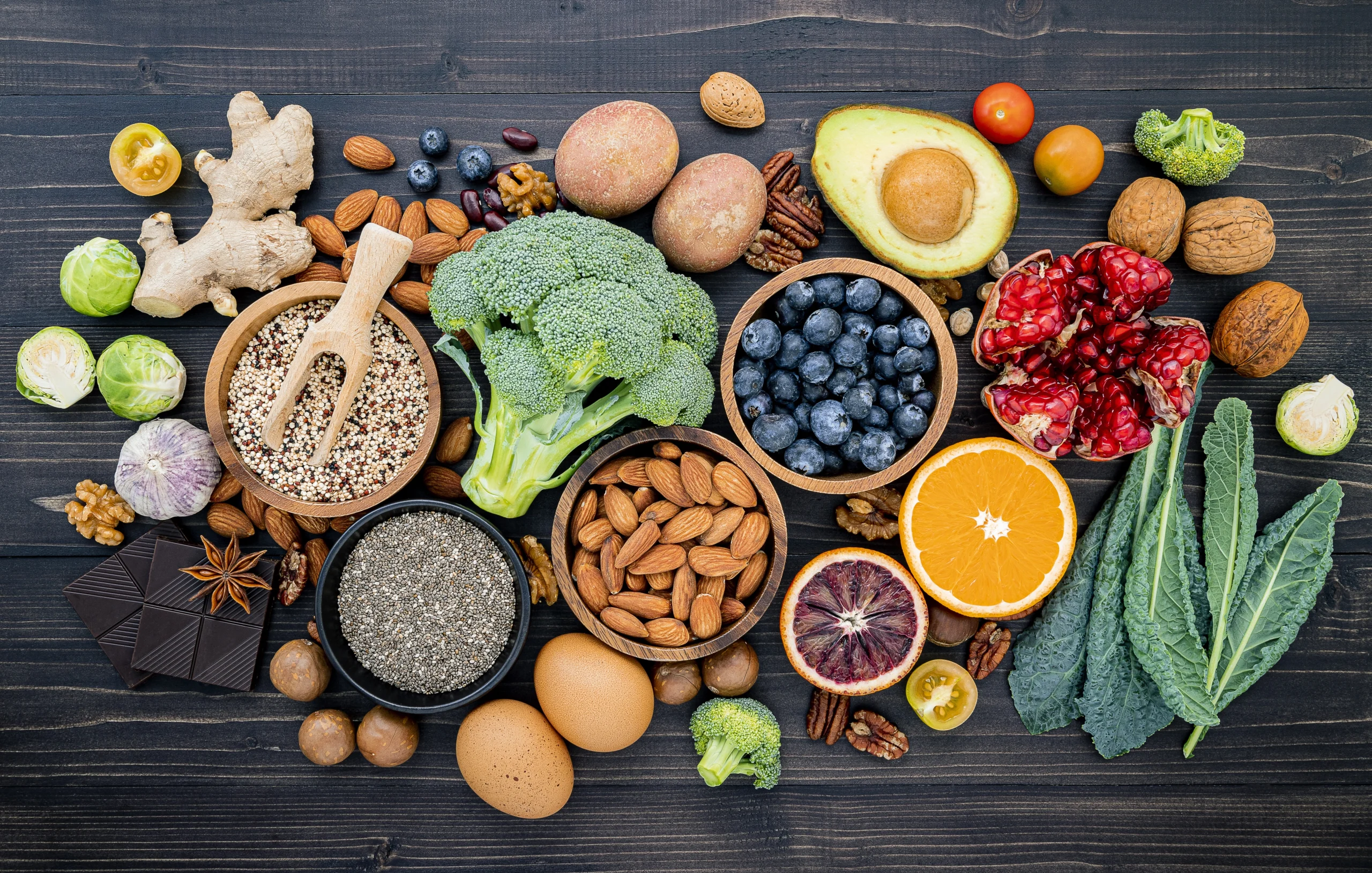
Here’s what most folks get wrong, though, you don’t need a supplement to fix this. The best sources are already sitting in your kitchen. Whole foods handle it, if you know which ones to reach for. And honestly, once you see the list below, you’ll realize you’re probably eating some of them already.
Why Bother With Copper Anyway?
Honestly? Because your body falls apart without it, slowly, quietly, and in ways you’d never connect to a mineral deficiency.
- Blood: Iron gets all the credit, but copper is the silent partner. Without it, your body can’t use iron properly. The National Institutes of Health confirms that copper deficiency can directly cause anemia , even when iron levels look fine. In some cases doctors blamed low iron? It turned out it was copper all along.
- Immunity: Your white blood cells literally need copper to do their job. Run low and you catch every cold going around. A study in the British Journal of Nutrition found that even mild copper deficiency weakens immune response noticeably.
- Brain & nerves: Copper protects myelin, the coating around your nerves. The Linus Pauling Institute at Oregon State University explains that when copper drops, that coating deteriorates, and with it goes your focus, memory, and mental sharpness.
- Antioxidant shield: It fuels an enzyme called superoxide dismutase. Fancy name, simple job, it fights cell damage before it snowballs. Harvard T.H. Chan School of Public Health lists copper as essential for this exact antioxidant defense.
You need about 900 micrograms a day. Pregnant or breastfeeding? Closer to 1,000–1,300 depending on the stage.
The Best Foods To Hit Your Copper Goal
Shellfish & Organ Meats
If you want copper fast, this is where you start. No food group comes close.
- Oysters: These are copper machines. According to the USDA’s Food Data Central, a single medium oyster packs well over 1,000 micrograms, that’s your entire daily need in one bite. Honestly, the bigger risk here is getting too much, not too little.
- Beef liver: Just 3 ounces delivers around 12,000 micrograms according to the same USDA database. That’s over 13 times the daily target. If you’re already tracking your nutrition through a fitness calculator, you’ll want to keep liver portions in check, the National Institutes of Health sets the safe upper limit at 10,000 micrograms, and liver blows past that in a single serving.
Crab & lobster: Not as extreme as oysters or liver, but Harvard T.H. Chan School of Public Health lists both as reliable copper sources. A serving of crab gives you roughly 600–800 micrograms, which covers a good chunk of your daily goal without any effort.
Nuts & Seeds
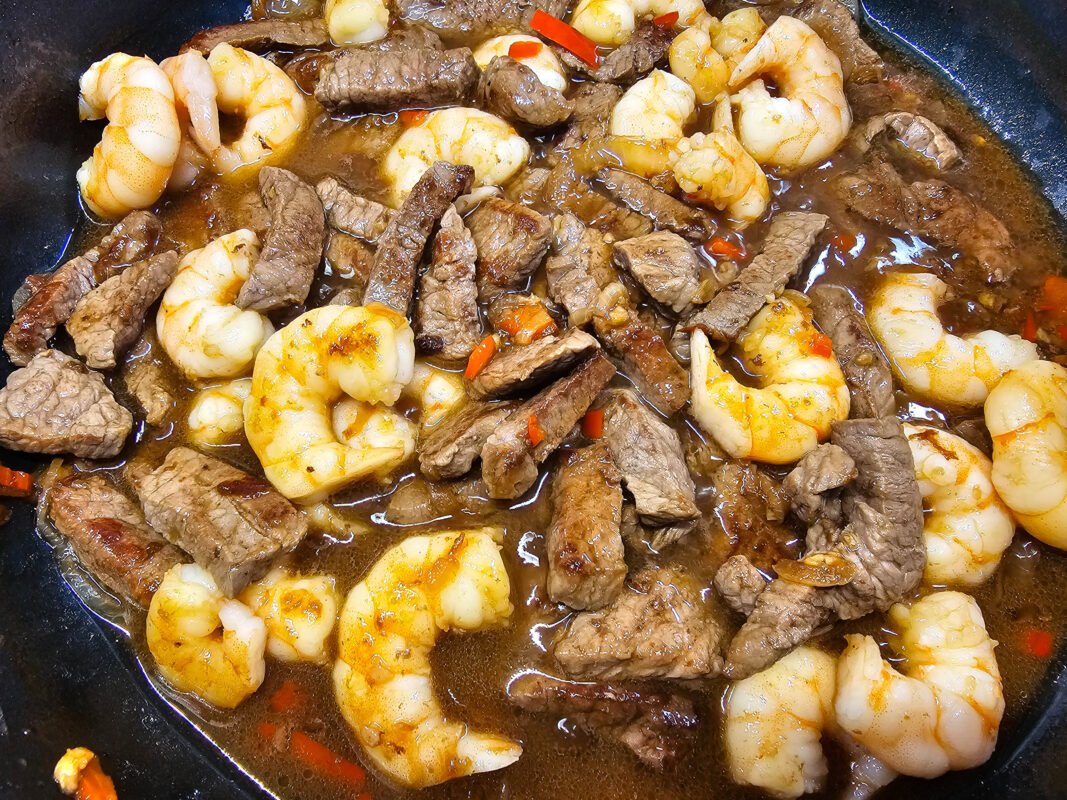
Snackable, portable, and way more copper-rich than you’d think.
- Cashews: The king of copper nuts. A handful (roughly one ounce) gives you about 620 micrograms, that’s nearly 70% of your daily target from a snack you’d eat anyway.
- Sunflower & sesame seeds: Decent, but let’s get the numbers right. A quarter cup of sunflower seeds lands around 150–200 micrograms, that’s closer to 20% of your daily need, not half like some sources claim. Sesame edges a bit higher, especially as tahini.
- Hazelnuts & almonds: Won’t carry your copper intake alone, but they add up faster than you’d expect. An ounce of hazelnuts hits around 350 micrograms: not bad for something you grab by the handful.
Mix a few of these into your day, trail mix, smoothie bowls, on top of oatmeal, and you’re stacking copper without even thinking about it.
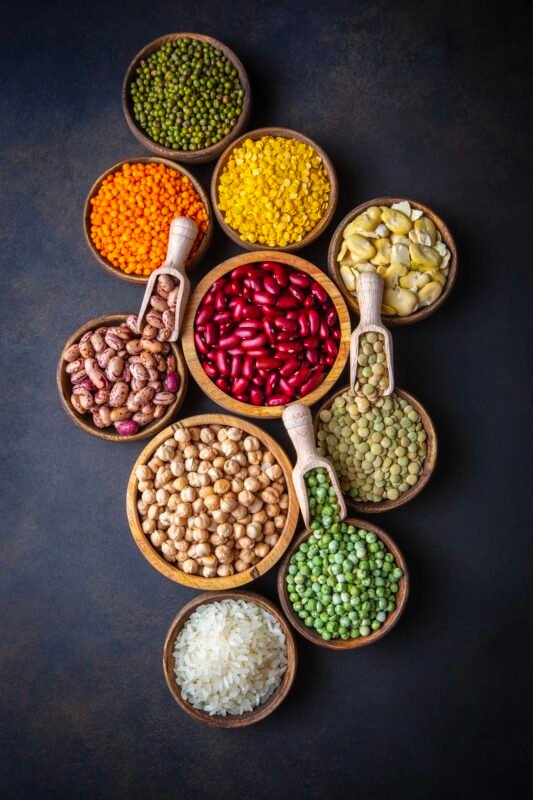
3. Grains & Legumes
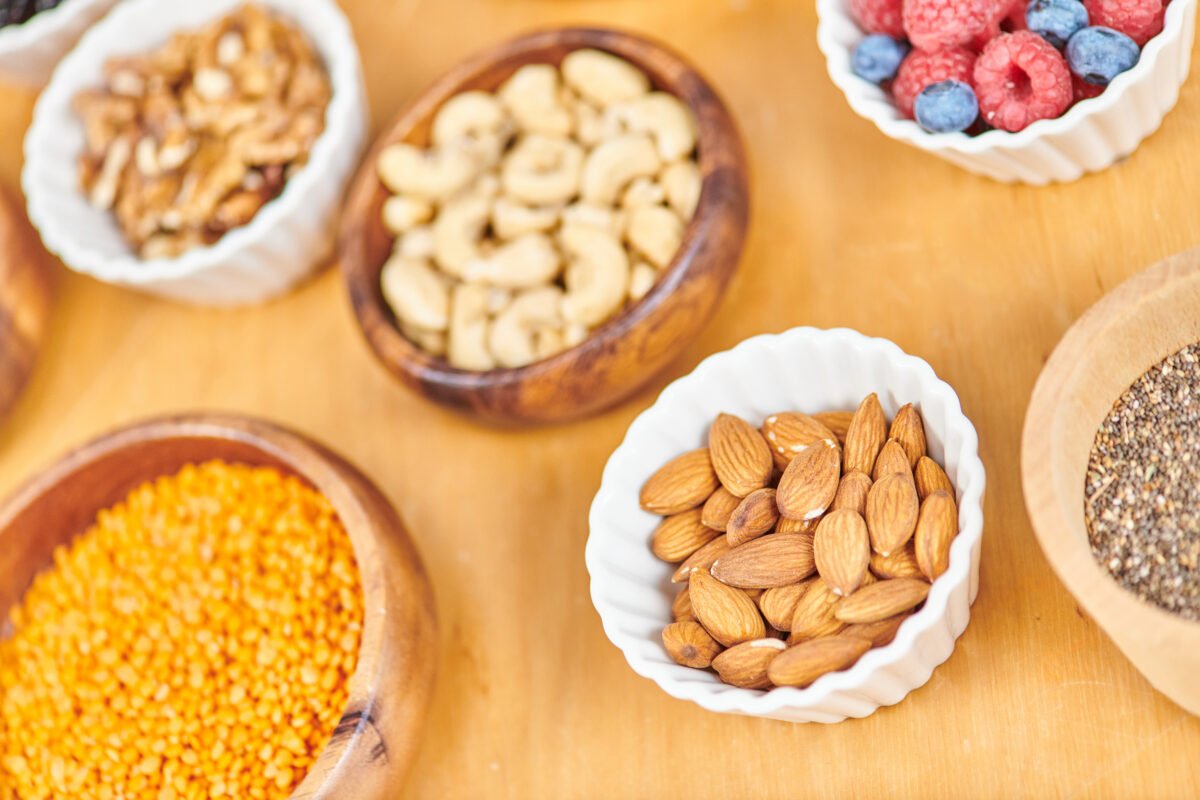
- Whole grains → Bread, pasta, cereals with the “whole” still intact.
- Lentils & chickpeas → Fiber + copper = double win.
Veggies & Fruits
Not the stars of the copper world, but don’t skip them.
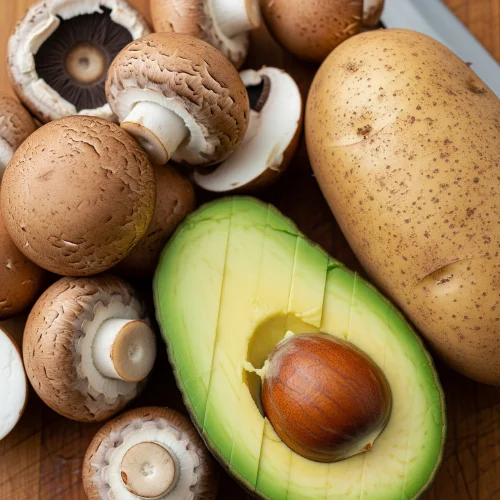
- Potatoes (skin on): About 300 micrograms in one medium potato. The catch? Most of it’s in the peel, so stop throwing that away.
- Shiitake mushrooms: Roughly 650 micrograms per cooked cup. Yeah, seriously. Most people have no idea mushrooms hit that hard.
Avocados: Around 220 micrograms each. Nothing crazy, but you were going to eat it on toast anyway.
Dark Chocolate
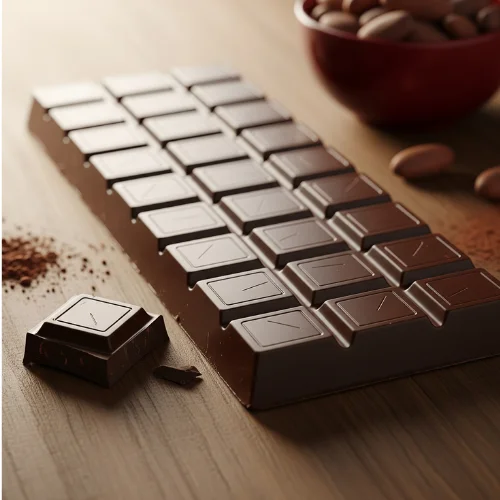
Yes, this counts, and no, you don’t need an excuse. One ounce of 70%+ dark chocolate gives you roughly 200–300 micrograms of copper. That’s about 25–30% of your daily target from dessert.
Not the biggest source on this list, but easily the most enjoyable one. Pick higher cacao percentages and you get more copper with less sugar. Win-win.
Don’t Overthink It
Copper deficiency is rare if you eat a variety of real food. A potato here, some nuts there, dark chocolate after dinner, you’re probably already closer than you think.
Just don’t swing the other way. Eating liver and oysters daily alongside supplements? You’ll blow past the 10,000 microgram safe upper limit fast. That means nausea, liver damage, and trouble you didn’t sign up for.
One more thing most people miss, zinc, phytates in whole grains, and excess vitamin C can block copper absorption. Soaking your grains and legumes before cooking fixes most of that. Balance wins. Eat real food, mix it up, don’t stress. Whether you’re chasing energy, building immunity, or working through recovery, copper is one small piece that keeps everything running smoother.