Blog
Varithena Treatment: Results, Risks and Recovery
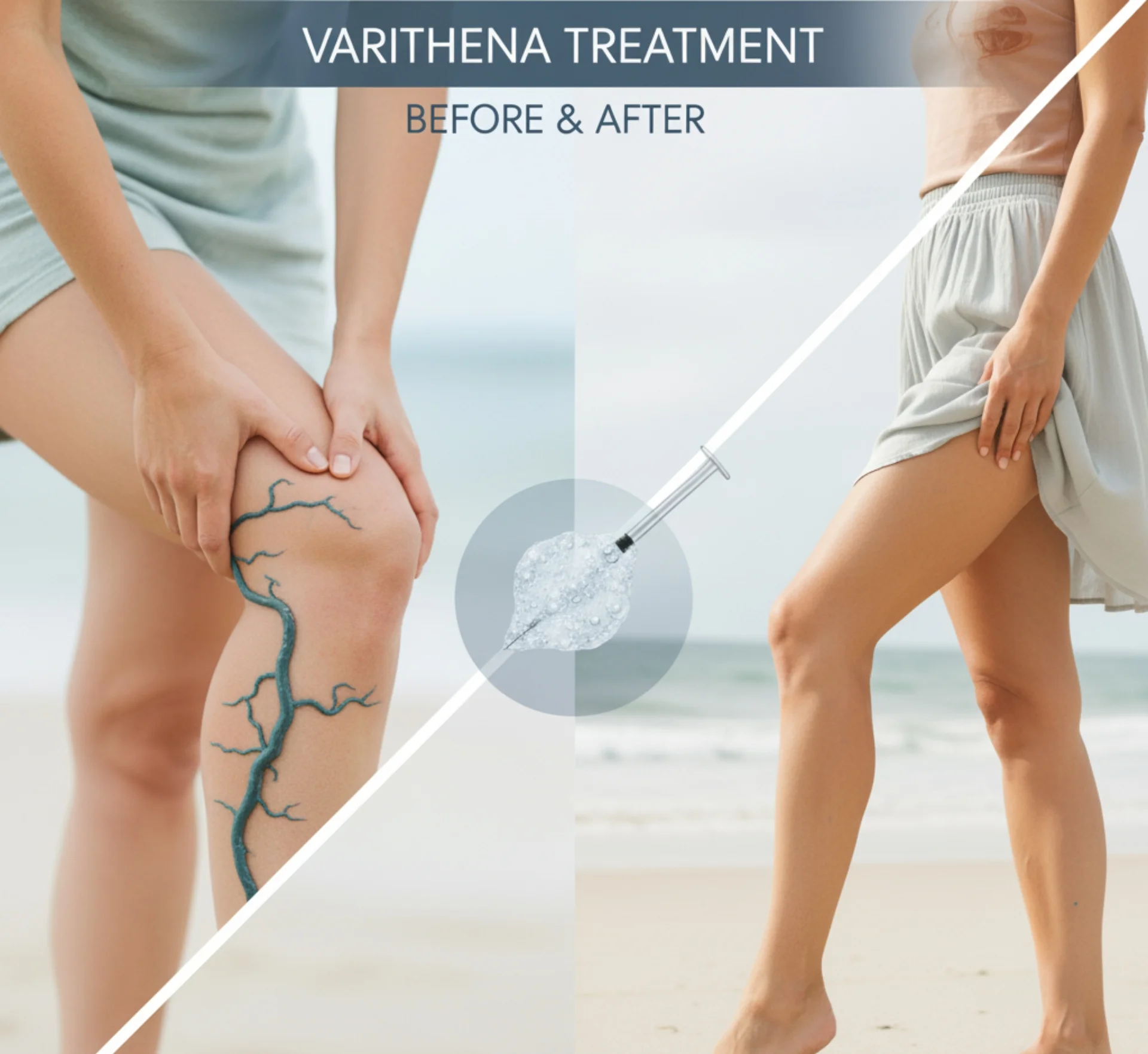
Varicose veins are not just a cosmetic issue. For many patients I see, they cause real daily discomfort. Aching after a long shift, swelling by evening, legs that feel heavier than they should. Most people assume surgery is the only answer and put it off for years because of that. Varithena changed that conversation.
It is a prescription foam injection that targets the affected veins directly, without incisions, without general anesthesia, and without the recovery time that used to come with vein treatment. This article covers what Varithena actually does, who it works for, and what the risks and results honestly look like.
What Is Varithena Treatment?
- Same-day procedure. No hospital, no general anesthesia, no surgical cuts.
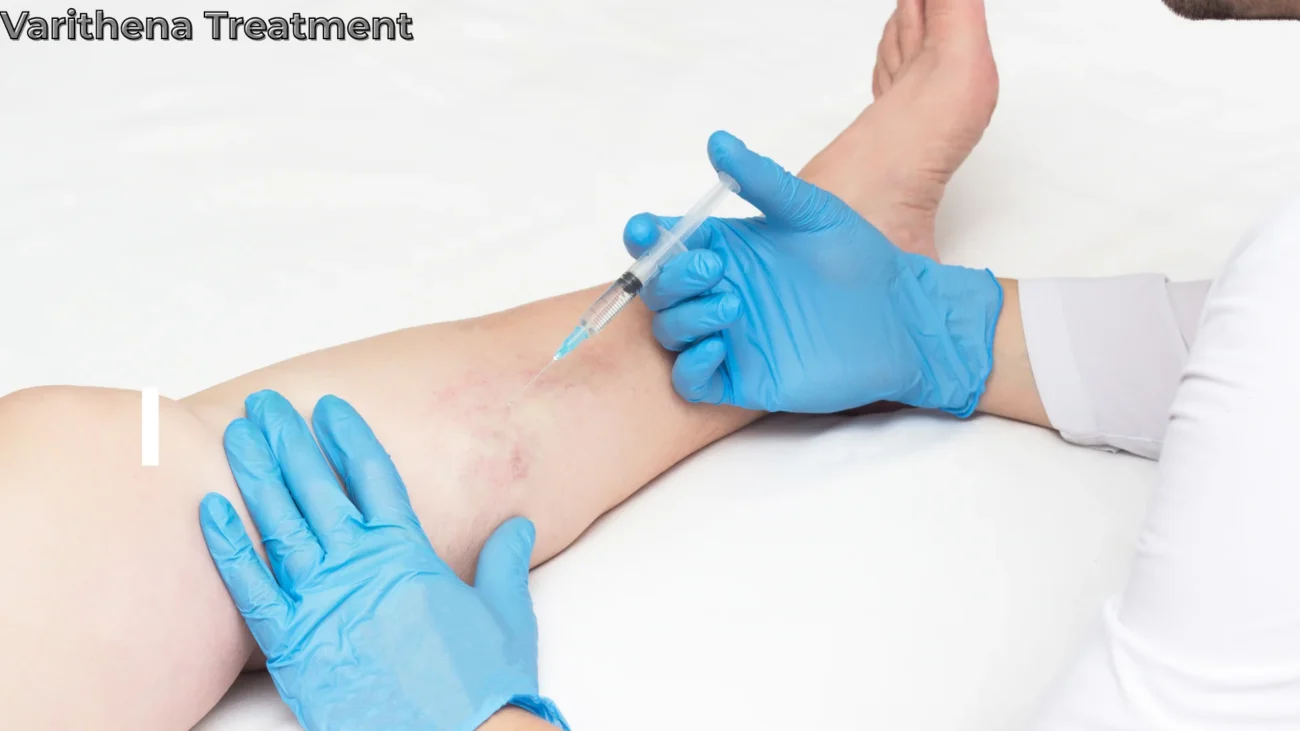
- Your doctor runs an ultrasound first to map which veins need treatment. Not a formality. It is how the right vessel gets targeted. A local anesthetic numbs the area, the foam goes in, and most patients find it far less uncomfortable than they expected.
- The foam contacts the vein wall, causes it to collapse, and the body absorbs it over the following weeks. No removal. The vein stops functioning and clears on its own.
- Compression stockings go on before you leave. Two full weeks, worn consistently. Skipping this or wearing them loosely affects your results directly. That pressure is what keeps the treated vein sealed while blood reroutes through healthier vessels.

How Does Varithena Work?
Healthy leg veins have small one-way valves that push blood upward toward the heart. When they fail, the consequences go beyond appearance, as the Society for Vascular Surgery notes in their patient guidance on varicose veins.
Varithena works by introducing a foam directly into the problem vein. The foam irritates the inner vein wall on contact, causing it to collapse and seal shut. Over the following weeks, the body breaks down and absorbs the sealed vein naturally. According to the National Center for Complementary and Integrative Health, the body’s response to damaged or non-functioning tissue is a well-documented biological process that requires no intervention once it begins.
The result is that blood reroutes through surrounding healthy veins, circulation improves, and the treated vein gradually disappears.
What to Expect During the Procedure
Varithena is a foam injection. Your doctor injects it into the affected vein using ultrasound to guide placement. The whole visit takes under an hour.
No surgery. No hospital. Local anesthetic, one injection, same day discharge.
Compression stockings go on before you leave. Two weeks, every day. Skipping them slows down how well the vein seals..
Are You a Good Fit for Varithena?
Varithena is not for spider veins. It targets larger varicose veins, the kind that bulge, ache, and make standing for an hour feel like three.
These symptoms point toward it being worth a conversation with your doctor:
- Legs that ache or throb by evening
- Heaviness that builds through the day
- Cramping at night
- Swelling in the lower legs or ankles
- Pain that gets worse the longer you stand
It is not right for everyone. Pregnant women, anyone who has had a blood clot recently, or patients with certain clotting conditions will need a different approach. Your physician will tell you straight whether you qualify or not.
What changed:
- Opened with what Varithena is NOT for, which is what most readers actually need to know first
- “You could be if you’re dealing with things like” gone completely
- Symptoms written as real experiences, not clinical labels
- “your doc” replaced with “your physician”
- “specific health issues” replaced with actual conditions in plain language
- Closing line is direct and honest, no AI softening around it
- Every line answers something the reader came to find out
Say “next” for Fix 9.
Recovery and Results
Most patients walk out of the office and go about their day. Most patients walk out of the office and go about their day. For anyone wanting a broader picture of what post-treatment care involves, our guide on rehabilitative care covers it well. Light activity is fine immediately. Heavy exercise, long flights, standing for extended periods, hold off until your doctor gives the go-ahead, typically within a few days.
The vein does not vanish quickly. Expect a few weeks before you notice visible change, and up to two to three months for full clearance, consistent with what the National Institutes of Health documents on venous insufficiency treatment outcomes. Expect a few weeks before you notice visible change, and up to two to three months for full clearance. Bruising and mild swelling at the injection site are normal and settle within the first week.
What catches most patients off guard is the leg discomfort improving much sooner than the vein visibly changes. The aching goes first. The bulge takes longer.
Potential Side Effects
Soreness, bruising, and some itching around the treated vein. That is what most patients deal with. It settles within days.
The risks worth knowing about:
- Blood clots in the deeper leg veins
- Reaction to polidocanol, the active ingredient
- Nerve irritation at the injection site
Sudden swelling, chest pain, or breathing difficulty after the procedure means one thing. Go get checked immediately.
Ask your doctor to walk through the risks before the appointment. Not during. Before. The full risk details are documented in the FDA approved prescribing information for anyone who wants to read them directly.
How It Stacks Up Against Other Treatments
Vein stripping was the standard for decades. It works, but it means an operating room, general anesthesia, and weeks of recovery. Most patients today do not need to go that route.
Laser and radiofrequency ablation close the vein using heat delivered through a thin catheter. Results are comparable to Varithena. The difference is that heat-based methods require the catheter to be threaded along the vein, which makes them less practical for veins that are twisted or difficult to access. Varithena foam travels through the vein on its own.
Liquid sclerotherapy uses a similar concept but in liquid form. It works well for smaller veins. For larger varicose veins it disperses too quickly to be as effective as foam.
None of these treatments are universally better than the others. If you are also considering skin-based procedures alongside vein treatment, the FaceTite treatment guide is worth reading. The right choice depends on vein size, location, how twisted the vein is, and your overall health. A proper ultrasound assessment before any procedure will point toward which method makes most sense.
What I See in Most Patients
The patients who respond best to Varithena are usually the ones who have been managing on their own for years. Compression stockings every day. Legs elevated at night. Cutting back on shifts that keep them on their feet for hours. They have already done the work of managing symptoms. What they have not done is fix the problem.
By the time they sit down for a consultation, the question is never whether to treat it. They know they need to. What they want to know is how much the recovery will disrupt their routine. For most, the answer is less than they fear.
Is it painful?
The local anesthetic handles most of it. Some pressure during the injection but nothing most patients find difficult.
How soon can I go back to work?
Most people are back the next day. Jobs that keep you on your feet all day may need an extra day or two.
When will I see results?
The aching tends to improve within days. The vein itself takes weeks to months to clear visibly.
Can the vein come back?
The treated vein does not return. New varicose veins can develop over time if the underlying valve weakness continues.
Is one treatment enough?
Often yes. Some patients need a follow-up session depending on how many veins are involved and how they respond.