Blog
Body Sensing: A Simple Way to Reduce Stress
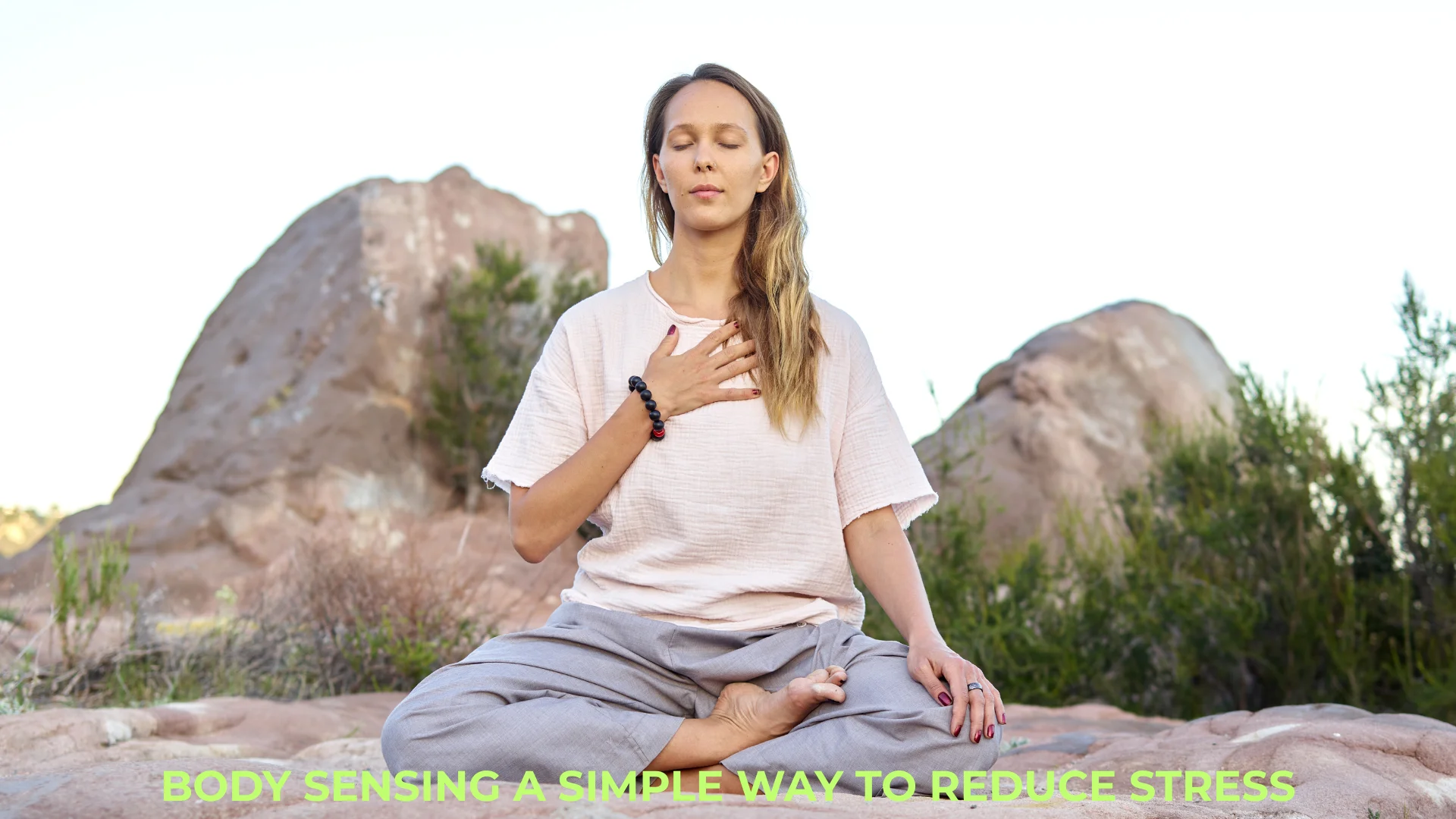
I had a student last year who came to class complaining about headaches. Three sessions in, I asked her to just notice her jaw. She had been clenching it for months without knowing. That is what body sensing does.
You learn to notice the tension you have been carrying around like it is normal. Your shoulders, your jaw, your lower back. The stress sits there and you forget it is even happening. Body sensing is checking in with yourself. Nothing complicated.
You just stop and pay attention to what your body is actually doing right now.
What Body Sensing Actually Means in Plain English
| Aspect | Description |
|---|---|
| What It’s Called | Body sensing, body awareness, or somatic awareness. |
| Simple Definition | Paying attention to what’s happening inside your body right now. |
| Time Focus | Present moment only – not yesterday’s backache or tomorrow’s potential headache. |
| How to Think About It | Like doing a quick inventory check of your body. |
| Key Questions to Ask | • Where do you feel tense?<br>• What’s comfortable?<br>• Are you breathing like you’re running a marathon even though you’re just sitting? |
| What It’s NOT | • Not meditation<br>• Not yoga<br>• Doesn’t require sitting in uncomfortable positions. |
| Equipment Needed | None – no special setup required. |
Why Your Body Holds Onto Stress Like a Grudge
Your body does not know the difference between real danger and a stressful email.The response is similar.When stress strikes, the same fight-or-flight response triggered by physical danger kicks in for your boss’s email too. The American Psychological Association explains this stress cycle well. Your muscles are rigid, your heart beats more and your breaths are shallow.
The thing is that our ancestors could have fled that bear, and got rid of all that stress, but we simply sit there and let it build up. Stress, stress, day after day, until we are walking around as human stress balls. All that is remembered in your body, the tension is stored in your neck, shoulders, back, and jaw, as though it were some sort of awful souvenir collection.
How to Do This Without Overthinking It
Okay, so here’s where we get practical. This is not complicated. You can do it anywhere. I’ve done it in the grocery store line, during boring meetings, and yes, even while stuck in traffic (though please keep your eyes on the road). Start by finding a position that feels relatively comfortable.
You may sit, rise, or even lie down – anything that may suit you at the time. Now, simply become aware of where you naturally focus in your body by just breathing deeply. Perhaps it is that sore place between your shoulder blades or the queasy feeling of your stomach. Do not attempt to make any changes yet. It is not about correcting, it is about observing. Move over the various areas of your body as a detective in search of clues. What is the condition of your feet? What of your legs? Your lower back? Continue climbing your body, not evaluating what you come across, but simply accepting it.
The Magic Happens When You Stop Trying So Hard
Once you notice where the tension is, you do not have to fix it right away. Sometimes noticing is enough. Just acknowledging it often helps it release naturally. It’s like when someone asks if you’re okay and suddenly you realize you’re not, and just that realization helps a bit. You can also try gently moving or stretching the tense areas. Not forcing anything, just gentle exploration. Sometimes I’ll roll my shoulders a few times or wiggle my toes. Sounds silly, but it works. Your body often knows what it needs if you give it a chance to communicate.
Why This Works Better Than Just Ignoring Your Stress
Most of us deal with stress by either powering through it or distracting ourselves. We binge-watch shows, eat our feelings, or just keep ourselves so busy we don’t have time to notice we’re drowning. This takes the opposite approach. You tune in instead of checking out. Research from NCCIH shows that people who regularly practice body awareness have lower stress levels and better emotional regulation. They’re not bottling everything up until they explode at the grocery store clerk who’s just trying to do their job. They’re catching stress early, when it’s still manageable. For anyone dealing with deeper anxiety patterns, psychology basics is worth a read alongside this practice.
Small Moments Add Up
This does not mean adding another task to your list. You can rehearse it when you are waiting to have your coffee brewing, during commercials or just before going to bed. Remind yourself about small things. Perhaps, each time you clean your hands, you give a brief mental scan of your body. Or at a red light you can see where you are tense.
These little check-ins can accumulate over time, forming a habit of awareness that can alter your perception of stress. Some people prefer to pair it with things they already do. Monitor your body in the morning shower, when making dinner, or on your way to work. It is important to make it seem natural, not as a second task.
Common Mistakes People Make When Starting Out
- Try it once, feel nothing, stop. Normal.
- Takes a few weeks of practice. Like learning any skill.
- Don’t force relaxation. Just notice tension. That’s enough.
- Your body knows how to calm itself. Let it.
What body sensing actually does (no hype):
Small changes add up over time.
Changes how your brain handles stress. Some people find that pairing this with meditation practice deepens the effect faster.
Turns on your parasympathetic nervous system, your natural “chill” mode.
Lowers cortisol. Improves sleep. Helps chronic pain. The NIH backs this with solid research.
You don’t need to buy anything. No doctor visit.
I’ve seen it help with anxiety, pain, and daily overwhelm.
One friend said: “I finally learned my body’s language before something broke.”
Results aren’t dramatic. You just sleep better. Fewer headaches. Less snapping.
This Fits Into the Life You Already Have
You do not need to change how you live to start this. Body sensing works while you are waiting for your tea to steep, sitting at your desk between emails, or lying in bed before you fall asleep. I advise my students to first have a go, in the shower. Warm and not distracted with an extra minute to feel what is tight and what is fine. That is enough to start. You do not need yoga pants or a quiet room. You just need a moment where you remember to check in.

Your Body’s Been Waiting for You to Listen
Body sensing is all about reconnecting with yourself in a world that is continually distracting you in a million different directions. Your body has been attempting to assist you to cope with stress this entire time; you simply may have not been paying attention.
The next time you are feeling overwhelmed, you should give this a go: you should stop and take a breath and scan your body. See what it is (not what it should be), without evaluating it, without attempting to correct it at once. You will be amazed at what you will know when you finally switch on to the one thing that has been with you all your life and that is your own body.