Blog
Dark Moon Rituals | Timing, Meaning & How to Actually Use This Phase

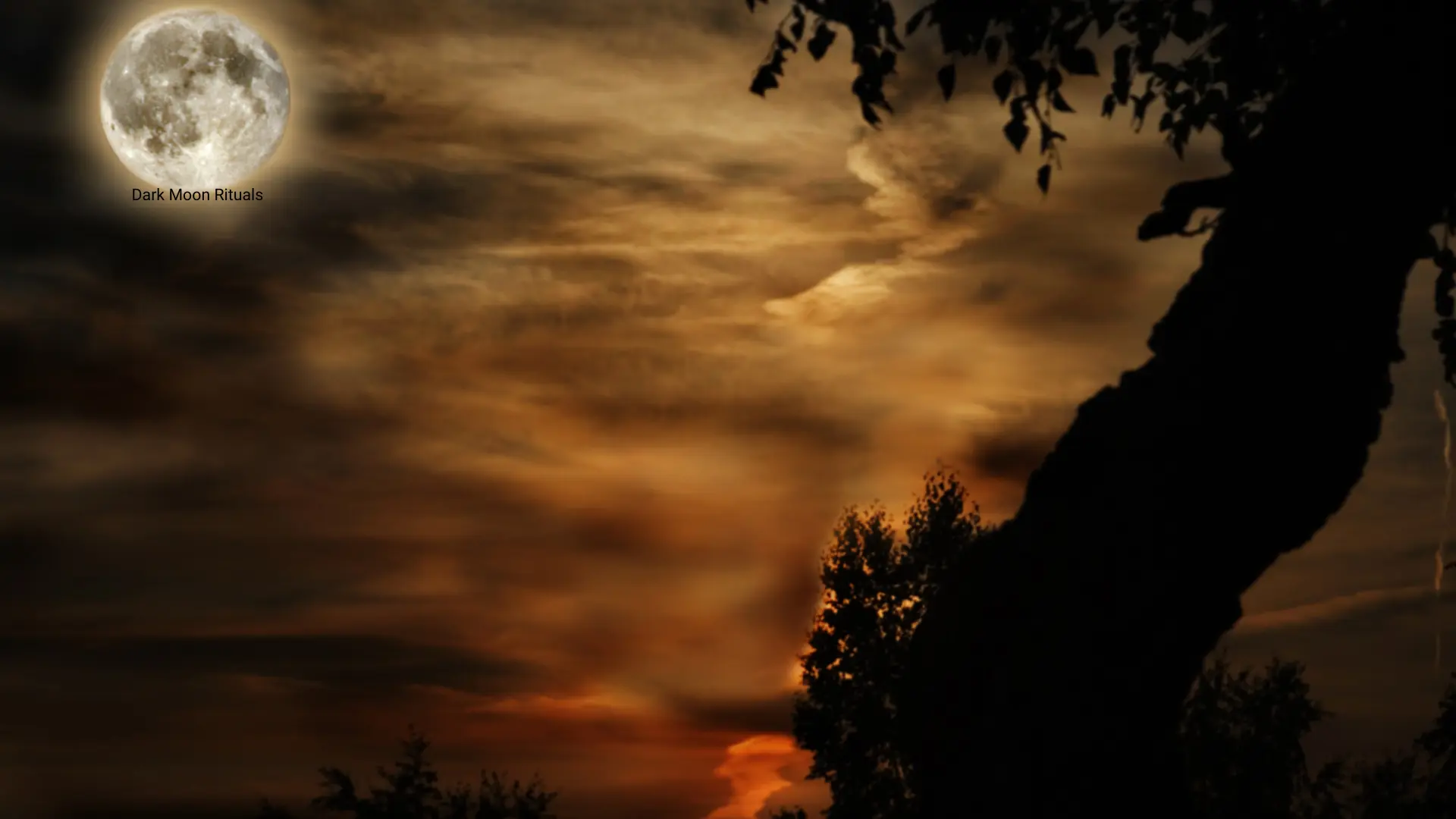
Dark moon rituals can only be effective when you time them, and the majority of the people do not. It is not that they are careless, it is merely that all of the calendar apps put the dark moon and the new moon on the same day. They aren’t.
I actually figured this out the hard way. My release practices kept feeling off, unfinished somehow, like I was trying to let go of something that wasn’t ready to move yet. Took me a while to realize I’d been working during the wrong phase entirely. The dark moon is that 1.5 to 3.5 day window just before the crescent shows up, when the sky is completely black. That’s the actual window for release work. Once I started tracking that specific window separately, the whole practice shifted.
Key Differences Between the Dark Moon and New Moon
Dark Moon vs. New Moon: What’s the Difference?
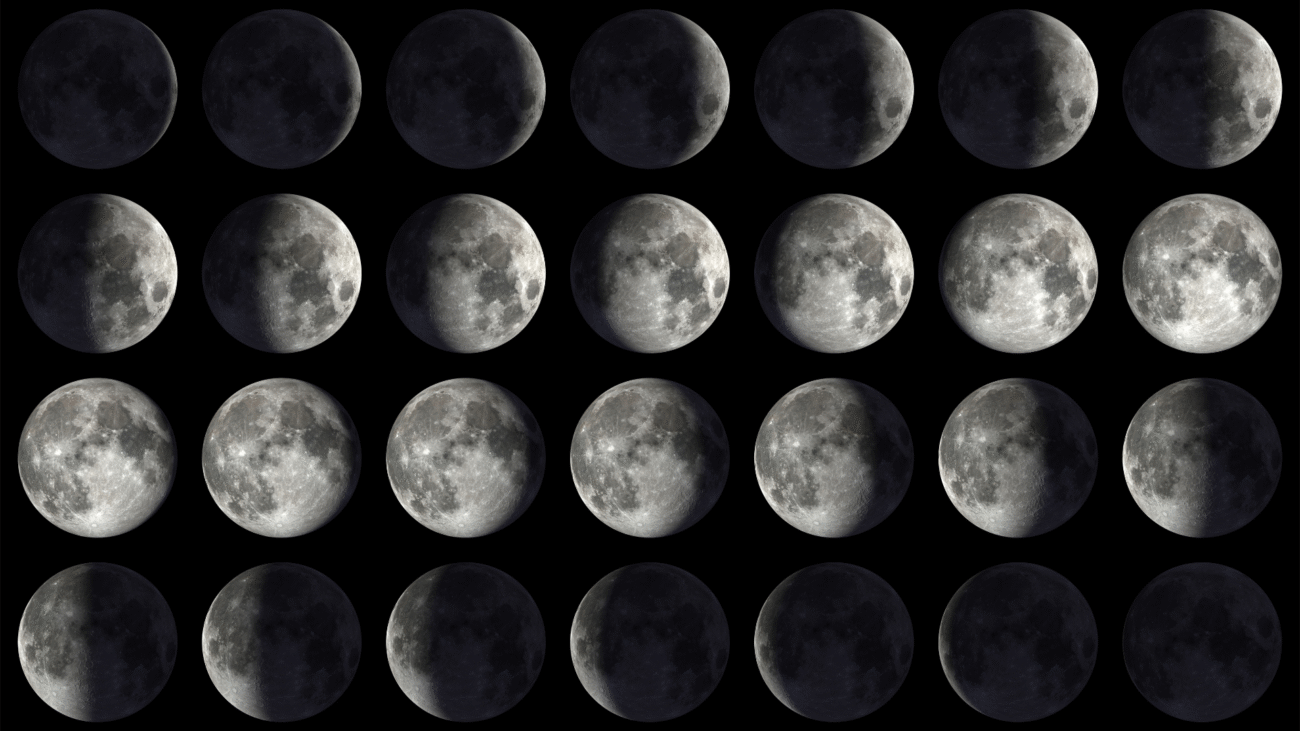
The dark moon and new moon may seem similar, but they mark two very different moments in the lunar cycle. The dark moon happens first, a short period lasting about 1.5 to 3.5 days when the moon is completely hidden from view. During this time, the moon sits between the Earth and the Sun, with its shadowed side facing us. The new moon Phases right after, showing a thin crescent of light that signals the start of a new lunar phase. While astronomers often group both under the term “new moon,” many people who follow lunar or lifestyle practices see them as separate energies.
Overview of the Lunar Cycle and the Dark Moon’s Position
Why the Dark Moon Excels for Rituals
As the lunar cycle’s endpoint, the dark moon is ideally suited for practices centered on letting go. Rather than fostering growth or attraction, it supports emptying out to welcome future possibilities.
Various cultures have long valued this phase for deeper work. In Hindu customs, Amavasya, the dark moon involves fasting, ancestral tributes, and pausing new activities to encourage contemplation. Greek esoteric rites, often dedicated to Hecate at intersections, used this time for private ceremonies on change and renewal. Celtic practices associated it with prophecy and spiritual dialogues, viewing the darkness as a bridge between realms. If you’re building a wider practice around this, meditation flower work pairs naturally with this phase.
Strategies for Timing Dark Moon Rituals
The dark moon’s short span requires careful planning. Use something like the lunar calendar on TimeandDate.com to find the exact onset and conclusion for your time zone. Tracking this alongside your body sensing practice can add another layer to how you read the phase. Although some prefer aligning rituals with the exact solar-lunar conjunction, any point within the dark interval is effective. The energy crests shortly before the new moon’s crescent emerges, but a moonless sky on any qualifying night serves well. Do not depend only on eyesight, as overcast conditions can mimic darkness; confirm via apps.
What to Expect During the Dark Moon
These days often bring noticeable shifts. Common experiences include restless sleep, intense dreams, or heightened self-reflection and sensitivity. Motivation might dip, favoring solitude over interaction, which aligns with ritual needs. Responses differ; some sense sharper instincts, while others embrace calm. Variability stems from personal circumstances, but the phase encourages embracing the quiet for inner shifts.
Clarifying Common Timing Errors
Inconsistent language leads to frequent mistakes. “New moon” can denote the crescent, the dark conjunction, or a surrounding period. Calendars vary, too, with discrepancies up to three days between conjunction and visibility. For rituals, seek the genuine dark nights without visible moon. If a “new moon” label coincides with a seen sliver, the dark phase has passed. Note that personal “dark moons” linked to bodily cycles differ from astronomical ones, though both are meaningful.
Working Around Real Life
You don’t have to ritualize every phase. Honestly most people who stick with this long term don’t. I focus on dark moon and full moon, and everything else fills in around that.
When the timing genuinely doesn’t work, commitments, travel, just being exhausted, the last quarter gets close enough for release work. Early new moon blends both energies if that’s all you have. What doesn’t work is trying to force release practice during waxing or full phases. The energy runs the opposite direction and it shows.
Adapt the practice. Don’t abandon it.
The Night It Actually Clicks
There’s a specific moment that happens when you finally catch the dark moon at the right time, on the right night, with nothing visible in the sky. It feels different from every other practice. Not dramatic, just quieter. More final.
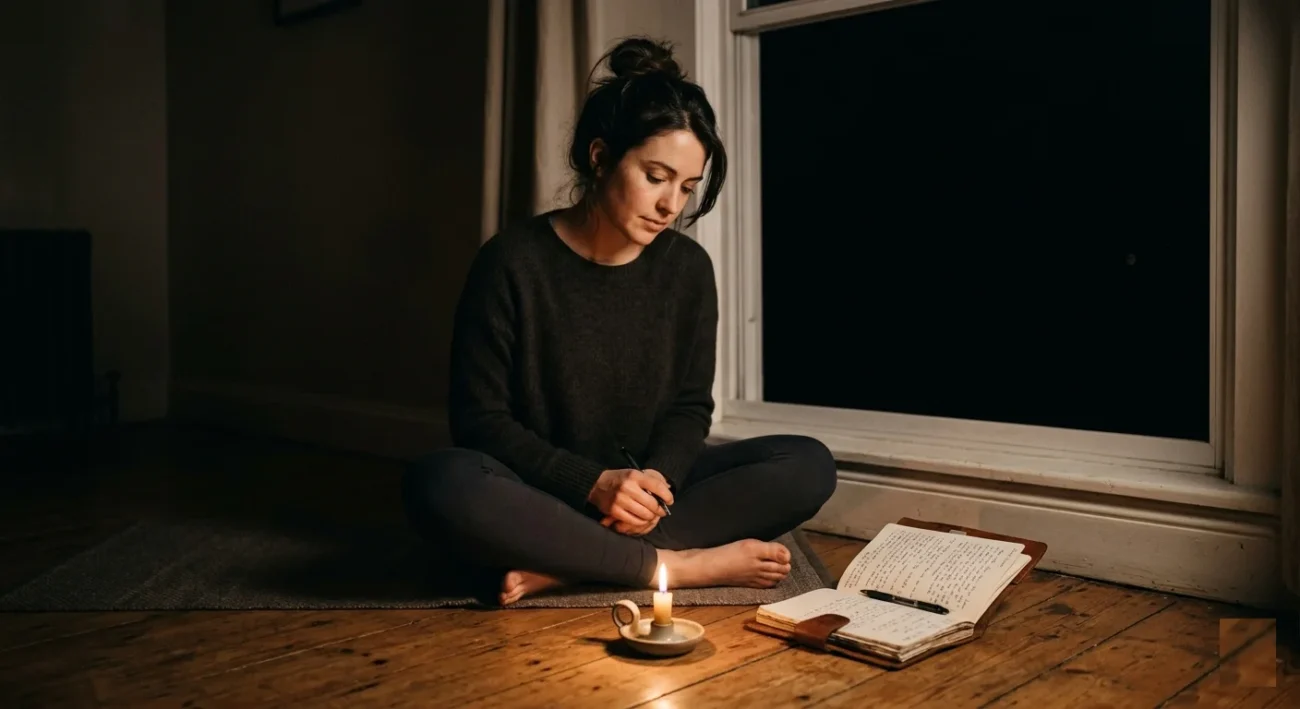
I keep a rough journal of my cycles, nothing elaborate, just a few lines after each session. Six months of that and patterns start showing up that I’d never have noticed otherwise. What releases easily, what keeps coming back, which months feel heavier than others.
That’s really what consistent timing gives you. Not perfection, just enough data on yourself to stop guessing.