
Blog
Health Benefits of Bitter Leaf | Bitter but Worth It

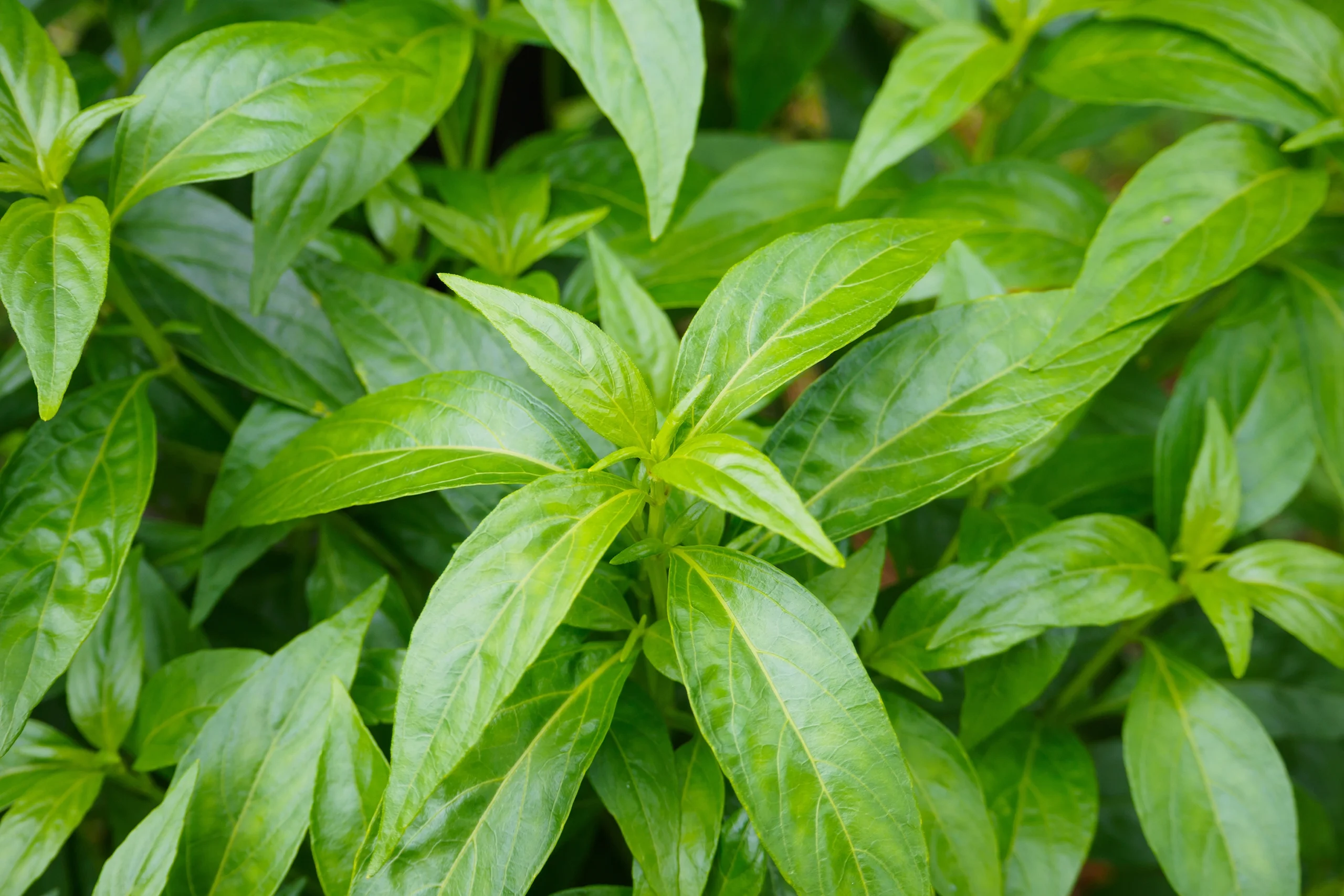
I’ll admit it – the first time someone told me to try bitter leaf, I made a face. I mean, who voluntarily eats something called “bitter”? But here’s the thing: sometimes the best medicine doesn’t taste like candy, and the health benefits bitter leaf offers are seriously impressive. If you’ve been curious about this African superfood or stumbled across it at your local market, you’re in for an interesting ride.
What Exactly Is Bitter Leaf and Why Should You Care
Bitter leaf goes by the scientific name Vernonia amygdalina, but most people just call it bitter leaf, pretty straightforward, right? This dark green leafy vegetable grows wild across tropical Africa and has been used in traditional medicine for centuries. Think of it as nature’s pharmacy wrapped in leaves.
The taste? Well, it’s definitely bitter (shocking, I know). But people across West and Central Africa have figured out clever ways to prepare it that make it not just tolerable, but actually enjoyable. The health benefits bitter leaf provides have kept it popular despite its challenging flavor, and modern science is finally catching up to what traditional healers have known all along. As more people focus on wellness and natural remedies, bitter leaf is gaining attention worldwide.
How Bitter Leaf Supports Your Digestive System
Your gut does way more than just process food – it’s basically mission control for your entire body. What it does for your digestive system is pretty remarkable. This plant contains compounds that help your stomach produce the right amount of acid for proper digestion.
I’ve talked to people who swear by bitter leaf for dealing with occasional stomach upset. The leaves contain natural antimicrobial properties that can help balance your gut bacteria. When your digestive system runs smoothly, everything else tends to follow suit – better nutrition absorption, more energy, and even improved mood. It’s all connected.
What really sets bitter leaf apart is how it can help with more serious digestive concerns. Traditional practitioners have used it for generations to address issues like intestinal worms and other parasites. Modern research is starting to validate these traditional uses, finding that compounds in bitter leaf really do have anti parasitic effects.
The Blood Sugar Connection Nobody Talks About Enough
Here’s where things get really interesting. Its effect on blood sugar levels deserves way more attention than it gets. Research published in the Journal of Diabetes Research has shown that bitter leaf extracts can help lower blood glucose levels, which is huge news for anyone dealing with diabetes or prediabetes.
The leaves contain specific compounds that seem to help your body use insulin more effectively. Now, I’m not saying bitter leaf replaces your diabetes medication – absolutely talk to your doctor about that. But as part of a broader health strategy, it’s showing real promise. Some researchers believe it works by slowing down how quickly your body absorbs sugar from food.
My neighbor started incorporating bitter leaf into her diet after her doctor warned her about elevated blood sugar. She combined it with other lifestyle changes, and her numbers improved significantly. Obviously, that’s just one person’s experience, but the scientific evidence backs up similar results in controlled studies.
Why Your Liver Will Thank You for Eating Bitter Leaf
Your liver works incredibly hard – filtering toxins, producing bile, storing nutrients, and about 500 other jobs nobody thinks about until something goes wrong. What it does for your liver is genuinely impressive and well-documented. Bitter leaf contains antioxidants that protect liver cells from damage. It also seems to help the liver regenerate and repair itself, which is pretty amazing when you think about it. Studies have shown that bitter leaf extracts can reduce markers of liver damage in people with various liver conditions. Traditional medicine has used bitter leaf to treat jaundice and hepatitis for ages. Modern science is now explaining why – the plant contains compounds that reduce inflammation in the liver and help it process fats more efficiently. If you’ve been rough on your liver over the years (hey, no judgment), bitter leaf might be worth exploring as part of your recovery plan and overall wellness journey.
Bitter Leaf’s Role in Fighting Inflammation and Boosting Immunity
Chronic inflammation is like that annoying house guest who overstays their welcome and starts breaking stuff. It contributes to everything from arthritis to heart disease. Its anti-inflammatory properties stand out from everything else this plant does. The leaves are packed with flavonoids and other plant compounds that calm down your body’s inflammatory response. This doesn’t just help with joint pain – it can improve your overall health in ways you might not immediately connect. Better sleep, clearer skin, reduced brain fog – inflammation affects more than you’d think. Bitter leaf can help with these issues naturally.
Your immune system also gets a solid boost from bitter leaf. The plant contains vitamins A and C, plus other compounds that help your body fight off infections more effectively. During cold and flu season, traditional healers often recommend bitter leaf tea or soup to help people recover faster. There’s actually scientific backing for this practice now, making it worth trying during those months.
How Bitter Leaf Might Help With Weight Management
Let’s talk about something everyone’s interested in – weight management. It won’t magically make you lose weight — sorry, no shortcuts exist. Instead, it works through several practical mechanisms that support healthy weight maintenance as part of a balanced lifestyle.
First, bitter leaf is incredibly low in calories but high in fiber. This means it fills you up without adding much to your daily calorie count. The bitter taste itself might also help curb your appetite – bitter flavors signal fullness to your brain faster than sweet or fatty foods do. When you’re focusing on nutrition, bitter leaf is an excellent addition. More importantly, bitter leaf seems to improve how your body metabolizes fats. Some research suggests it can help prevent fat accumulation and even promote the breakdown of existing fat stores. Combined with its blood sugar-stabilizing effects, this makes bitter leaf a useful ally if you’re trying to manage your weight in a sustainable way.
What Traditional Medicine Believes About Bitter Leaf and Serious Illness
Ayurveda and traditional African medicine both treat bitter plants as deep cleansers. The idea is that bitterness pushes out what the body doesn’t need. That’s been the belief for centuries, long before anyone put bitter leaf under a microscope.
Now some researchers have started looking into whether there’s actual science behind those old beliefs, especially around serious diseases. The research is early.
Really early. Nothing is proven and I’d never tell someone to reach for a leaf instead of calling their doctor. But the fact that scientists are bothering to study a plant that village healers have used for generations says something worth paying attention to.
Practical Ways to Add Bitter Leaf to Your Diet
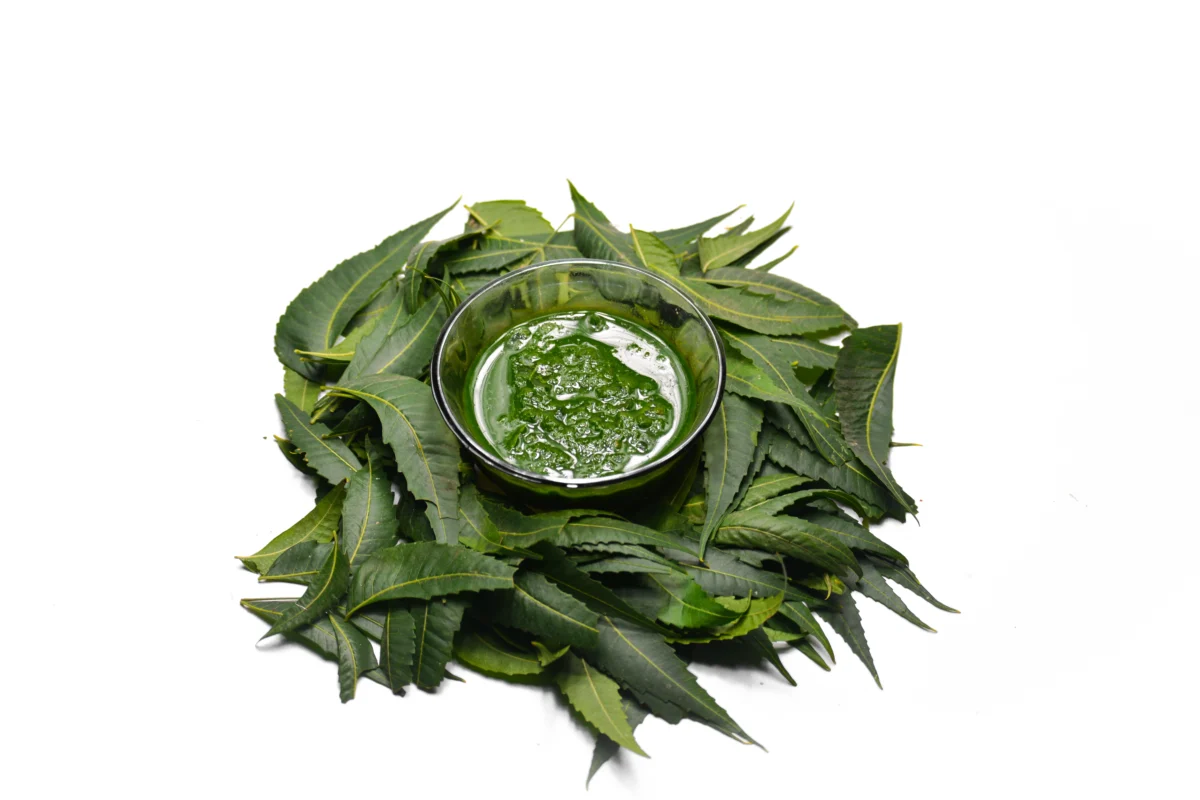
Okay, so you’re convinced about the health benefits bitter leaf offers. Now what? How do you actually eat this stuff without making faces like a toddler who just tried Brussels sprouts? Let’s talk about incorporating it into your daily nutrition plan. The traditional method involves washing the leaves multiple times and squeezing them to reduce the bitterness. Some people soak them in hot water first. In West African cuisine, bitter leaf shows up in soups and stews, where other flavors balance out the bitterness. It pairs surprisingly well with meats, fish, and palm oil – making it easy to integrate into your regular lifestyle.
If you’re not ready to commit to cooking with fresh bitter leaf, you can find it in supplement form – capsules, powders, or extracts. These provide concentrated doses of the beneficial compounds without the challenging taste. Just make sure you’re buying from reputable sources that test their products for purity. This approach works great for busy people who want the health benefits without changing their cooking routine. You can also make bitter leaf tea, which is actually less bitter than you’d expect if you brew it correctly. Add some honey and lemon, and it becomes quite drinkable. Start with small amounts and gradually increase as your taste buds adjust. Many wellness enthusiasts drink it first thing in the morning as part of their routine.
Who Should Be Careful With Bitter Leaf
Not everyone should jump in. If you’re pregnant, don’t use it, bitter leaf has been known to cause contractions and that’s not a risk worth taking. I’ve had patients ask me about using it while nursing and my answer is always the same, check with your doctor first, we don’t know enough yet.
Blood thinners and diabetes medication are the big ones to watch out for. Bitter leaf already lowers blood sugar on its own. Stack that with your medication and you could end up with levels that are dangerously low. I’ve seen it happen. And if your stomach feels weird the first couple of days, that’s normal. Just use less until your body adjusts.
What I’d Tell Someone Trying It for the First Time
You’ll probably hate the taste. Everyone does at first. My suggestion is brew it as a tea with some honey before you try cooking with the raw leaves. That’s how most of my patients ease into it. Give it a few weeks before you decide if it’s doing anything. This isn’t the kind of thing where you feel different after one cup. It’s slow. But the people who stick with it usually come back and tell me they notice the difference when they stop.