Blog
Prenatal Yoga Safe & Gentle Poses for Each Trimester
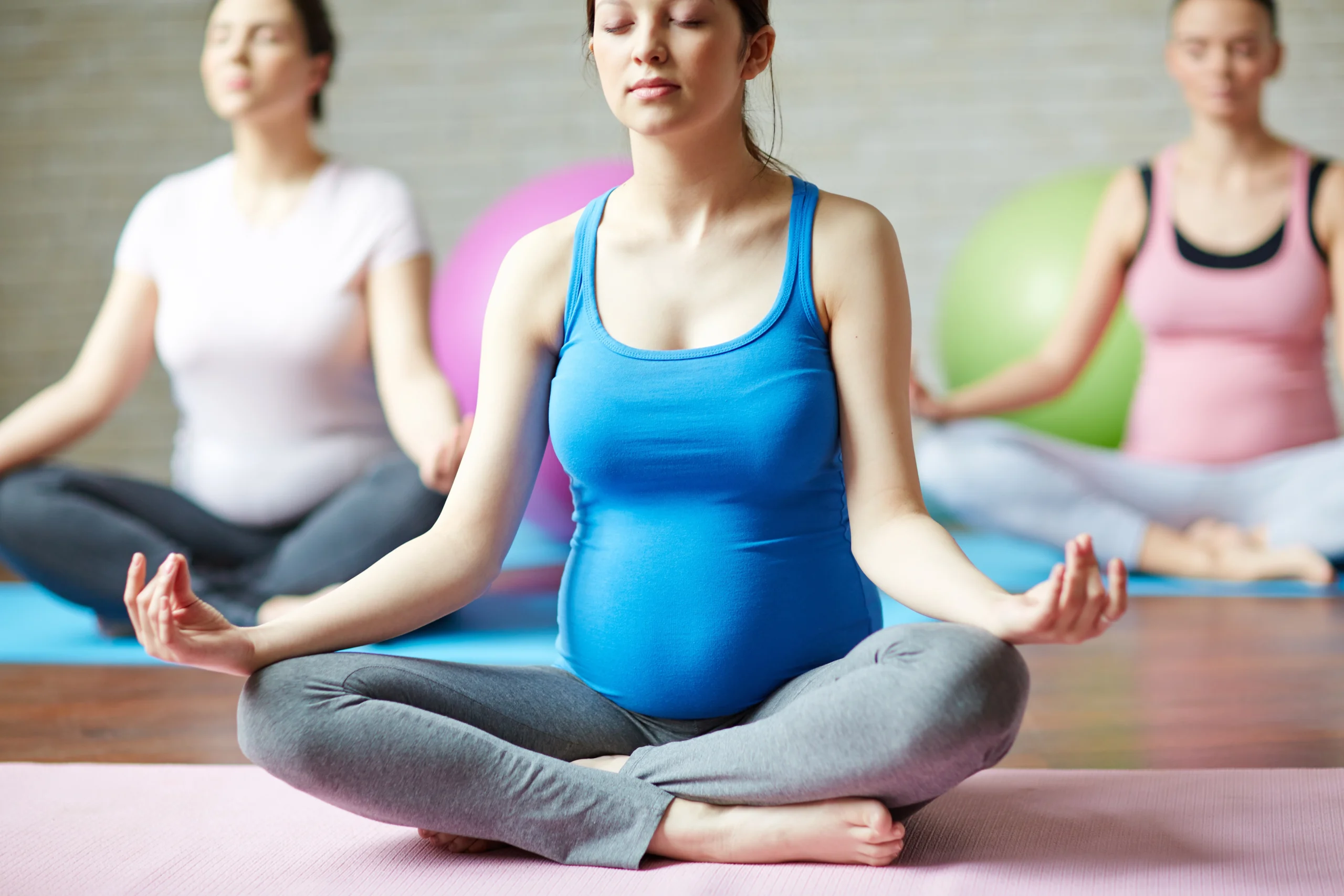
When I was pregnant with my first, I remember lying awake at 2 AM with an aching lower back, wondering, is there anything safe I can actually do?
That question led me to prenatal yoga. And honestly, it changed everything, how I slept, how I breathed through contractions, even how I carried myself in those heavy third-trimester weeks.
Over the past eight years of teaching yoga to expecting mothers, I’ve seen the same worry come up again and again: “Will this hurt my baby?” The short answer, backed by multiple clinical studies, is no.
Prenatal yoga, done with the right modifications, is one of the safest and most effective ways to support your body and mind through all three trimesters, even when you’re dealing with weird pregnancy symptoms that no one warned you about.
In this guide, I’m breaking down exactly what prenatal yoga is, which poses work best for each trimester, and the safety tips that actually matter. No fluff, no generic fitness advice, just what I’ve learned from real practice and real research.
Table of Contents
What Is Prenatal Yoga?
I get asked this question in almost every first class, and the answer is simpler than most people expect.
Prenatal yoga is a yoga practice adapted for pregnancy. It uses modified poses, props, and attention to breathing and alignment so that the body (and baby) is supported. It emphasizes safety, flexibility, breath control, and strength in a gentle way. It’s not about pushing limits during pregnancy.
Benefits Backed by Research
Most of my clients come in for one reason — usually back pain or anxiety. But they end up staying because the benefits go way beyond what they expected. Here’s what the research actually says.
- Yoga during pregnancy is safe, feasible, and acceptable for most pregnant people, with benefits in reducing stress and depression compared to walking or no exercise.
- It can help reduce physical discomfort (back, hips), improve sleep, and prepare the body (pelvis, breathing) for childbirth.
- A study monitoring 25 women between 35-38 weeks found even some poses previously thought risky (e.g. Downward-Facing Dog, Tree Pose, Savasana) can be safe with modifications (props, walls, support) for both mother and fetus.
Trimester-by-Trimester Guide & Poses
This is the breakdown I give every new client on day one. Each trimester brings different challenges, what felt great at 12 weeks might feel impossible at 32. Knowing when to adjust makes all the difference.
Safety Tips & Precautions
These aren’t just textbook warnings, they’re the exact things I repeat in every single class. I’ve seen what happens when someone skips the basics, and it’s never worth it.
- Consult your healthcare provider before starting or continuing prenatal yoga Retreats, especially if you have complications such as preterm labor, hypertension, or placenta issues.
- Avoid overheating. Hot yoga or heated rooms are not safe during pregnancy.
- Use props such as bolsters, blocks, or blankets to support your body.
- Modify as needed: widen stance, sit on a chair or block, use wall support for balance.
- Listen to your body — if you feel pain, dizziness, or shortness of breath, stop and rest.
- Focus on gentle breathing and long exhales to aid relaxation and prepare for labor.
- Consistency matters more than intensity — gentle daily or weekly practice is better than pushing hard occasionally.
Backed by Studies
- I’m big on evidence, I don’t recommend anything to my clients unless the science actually supports it. That’s what keeps this practice safe and not just trendy.
- Systematic reviews show prenatal yoga is helpful and generally safe, with benefits for maternal stress, mood, and birth outcomes.
- Clinical studies suggest that even poses previously thought risky are often safe with modifications.
- Research continues to show prenatal yoga as a supportive practice for both mental and physical health during pregnancy.
Sample Gentle Prenatal Yoga Flow
This sequence can be adjusted to your trimester and energy level:
This is a simplified version of what I use with my own clients. Some days they power through every pose, other days we spend half the session just breathing, and both are perfectly fine.
- Breathing & centering. (5 minutes)
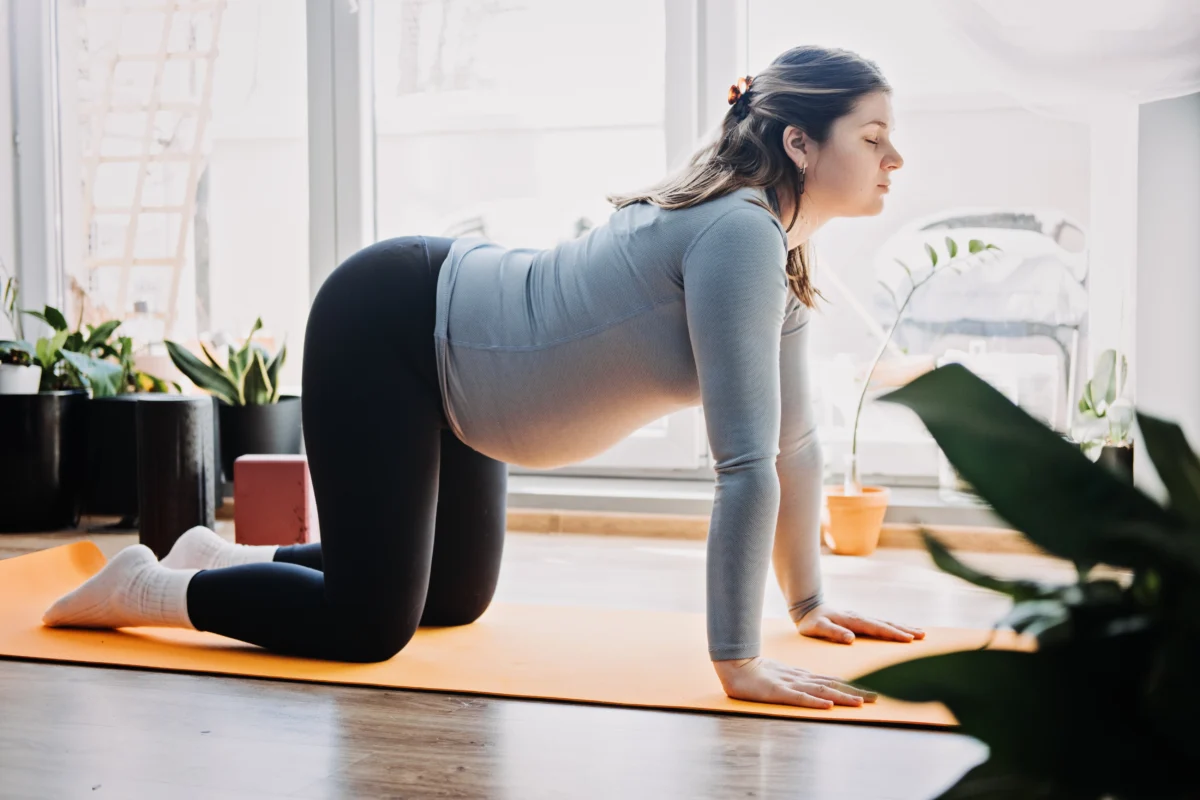
- Gentle Cat-Cow. (warm up spine)
- Low Lunge with side stretch, each side.
- Warrior II, supported, each side.
- Wide-legged forward fold with blocks.
- Goddess Pose or wide squat.
- Side-lying Savasana or supported rest.
Finish with slow, mindful breathing.
References
- Curtis K, Weinrib A, Katz J. Systematic Review of Yoga for Pregnant Women: Current Status and Future Directions. PMC (2012).
- Corrigan L, et al. Characteristics and Effectiveness of Pregnancy Yoga: Systematic Review and Meta-Analysis. BMC Pregnancy and Childbirth (2022).
- Harvard Health. Yoga in pregnancy: Many poses are safer than once thought. Harvard Medical School Blog (2015).
- Yoga International. Safe Prenatal Yoga Tips for Each Trimester.
- The Bump. Prenatal Yoga: Benefits, Poses, and Tips.
- Verywell Fit. Prenatal Yoga: Poses, Modifications, and Benefits.
- Americord. Prenatal Yoga for the Second and Third Trimester: Benefits and Safe Practices.