
Blog
Can High Intensity Workouts Actually Deepen Your Mindfulness?

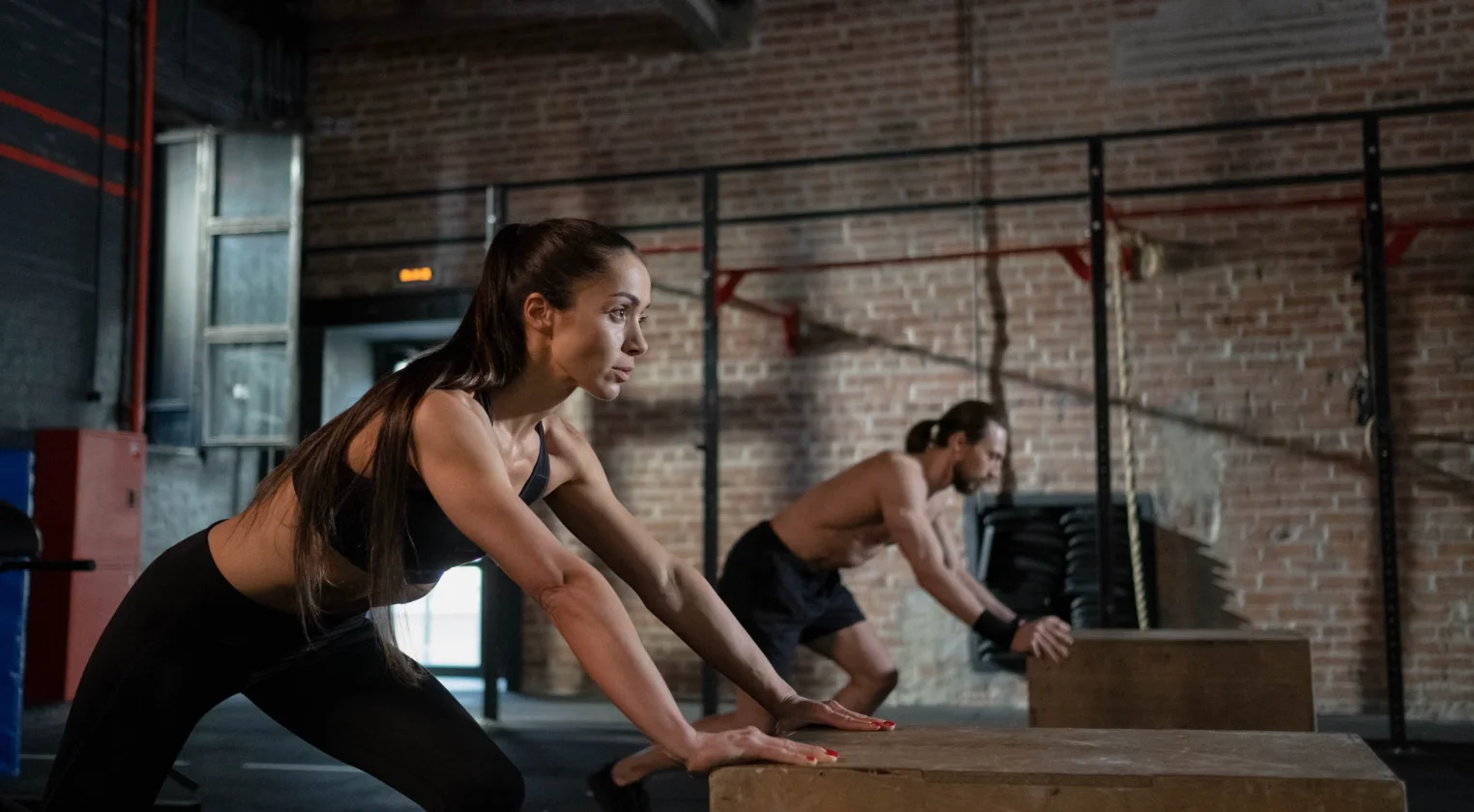
High-intensity exercise can pull your attention into the present with surprising force. During a challenging interval, there’s little room to replay an awkward conversation or plan tomorrow’s schedule. You’re focused on your breathing, posture and the few seconds left on the clock.
That intense focus shares several qualities with mindfulness. Both ask you to notice what’s happening now without getting overwhelmed. A demanding workout won’t replace meditation, but it can become a practical way to strengthen attention and body awareness.
The Zen of Physical Exertion
Mindfulness during exercise starts with noticing physical signals as they change. A quick pulse, warm skin and tired muscles provide immediate points of focus. In a 30-second cycling interval, for example, you can observe tension building in your shoulders and relax your grip without judging the discomfort.
This kind of attention also helps you separate effort from strain. Effort may feel challenging yet controlled, while sharp pain, dizziness or a loss of coordination signal that you should stop. Use a simple mental check during each interval: notice your breathing, scan your posture and name one sensation. If your thoughts wander, return to the movement currently in progress. That repeated return is the mindfulness practice.
Breathwork Under Vigorous Demand
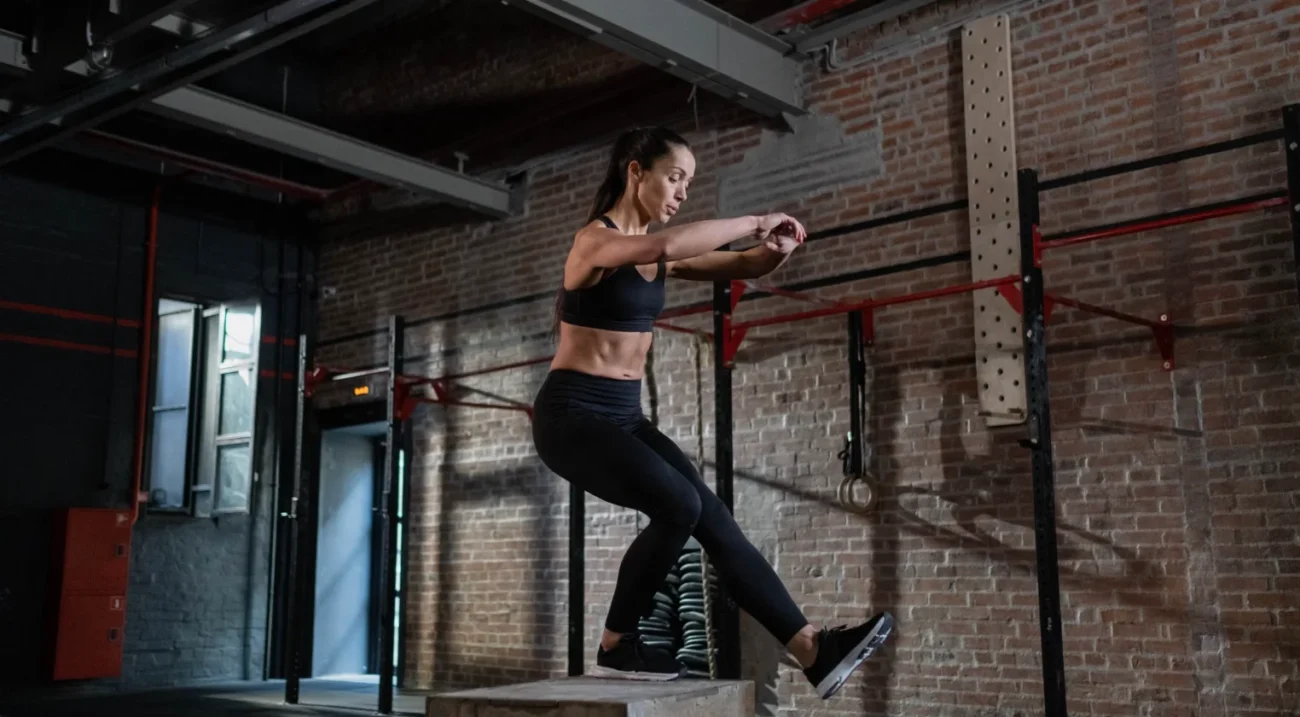
Breathing becomes harder to ignore as exercise intensity rises. Breathwork and mindful movement can connect physical training with deliberate awareness, especially when you focus on rhythm instead of trying to control every breath.
During a vigorous interval, avoid forcing slow breathing that can’t meet your body’s oxygen demand. Focus on steady exhalations and release unnecessary tension around your jaw and neck. During recovery, try inhaling comfortably through your nose and making the exhale slightly longer.
The talk test offers another useful check. If you can say a short phrase but can’t hold a full conversation, you’re likely working at a vigorous level. Stop and recover if you feel faint, unusually breathless or unwell.
Accessible High Energy Classes
A guided class can make mindful high-energy exercise more approachable. An instructor handles the timing and movement sequence, leaving you free to notice your form, breathing and effort. Community-focused gyms such as Energie Fitness offer group classes and varied training options for different fitness levels, which can help beginners find a manageable starting point.
Before joining a class, tell the instructor about relevant injuries or health concerns and ask how each movement can be modified. Choose a position where you can see demonstrations clearly. During the session, work at an effort you can control instead of copying the fastest participant.
Try setting one attention cue before class, such as “soft shoulders” or “steady feet.” Returning to that cue between intervals keeps your mind connected to your body.
Cooling Down into Grounded Presence
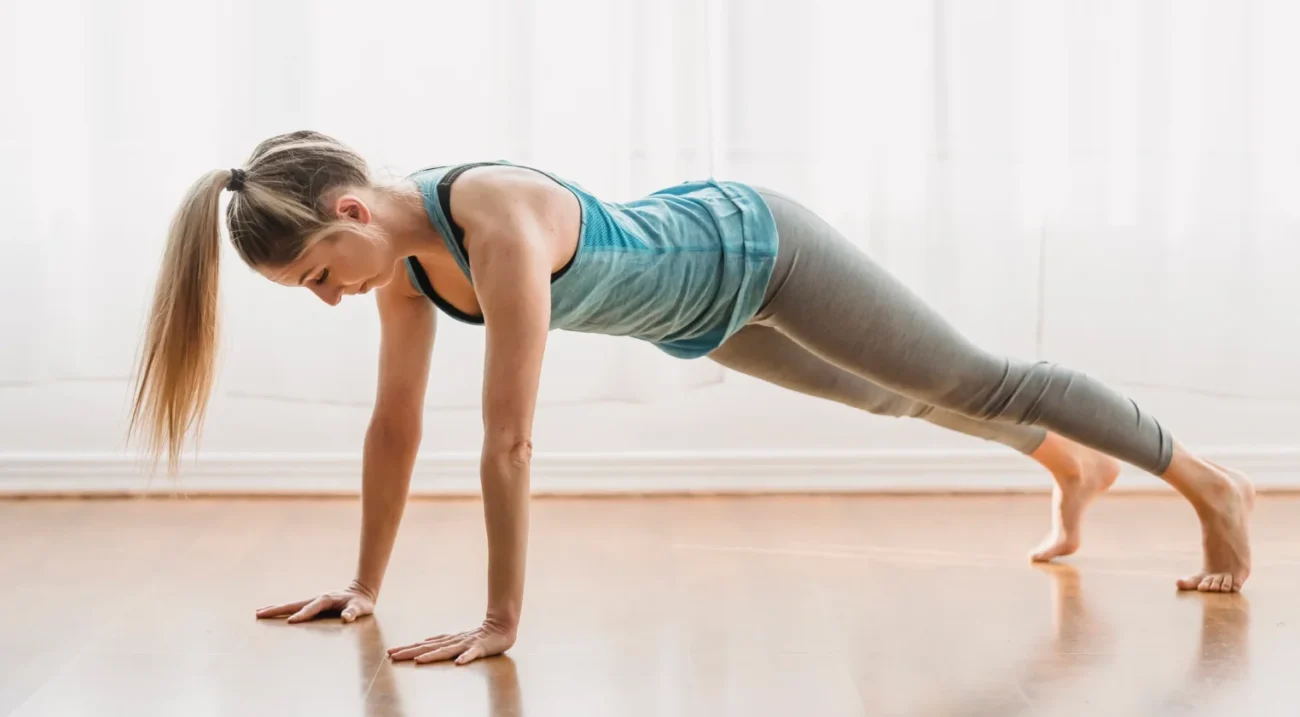
The transition after hard exercise may be the best time to notice its mental effects. Spend three to five minutes walking slowly until your breathing settles. Feel your feet meet the floor, and notice your pulse without labeling it as good or bad.
Then use one of the mindfulness exercises described by Mayo Clinic, such as a body scan or seated breathing practice. Even two quiet minutes can help you register the shift from exertion to recovery.
Finish with a quick personal check: What feels energized? Where are you holding tension? Has your attention become clearer? Over several workouts, those observations can reveal which session length and intensity leave you focused instead of depleted.
You can also carry this awareness beyond the gym by exploring outside activities that promote wellness, such as walking in nature, cycling or spending time outdoors. These activities offer opportunities to stay physically active while paying closer attention to your surroundings.
High-intensity exercise can deepen mindfulness when attention remains more important than performance. The clearest sign may arrive during the cooldown, when your breath slows and you can feel each heartbeat settle without needing to rush toward the next task.