
Blog
Hydroxyapatite Toothpaste: How It Works, Benefits, and What to Know Before Choosing One

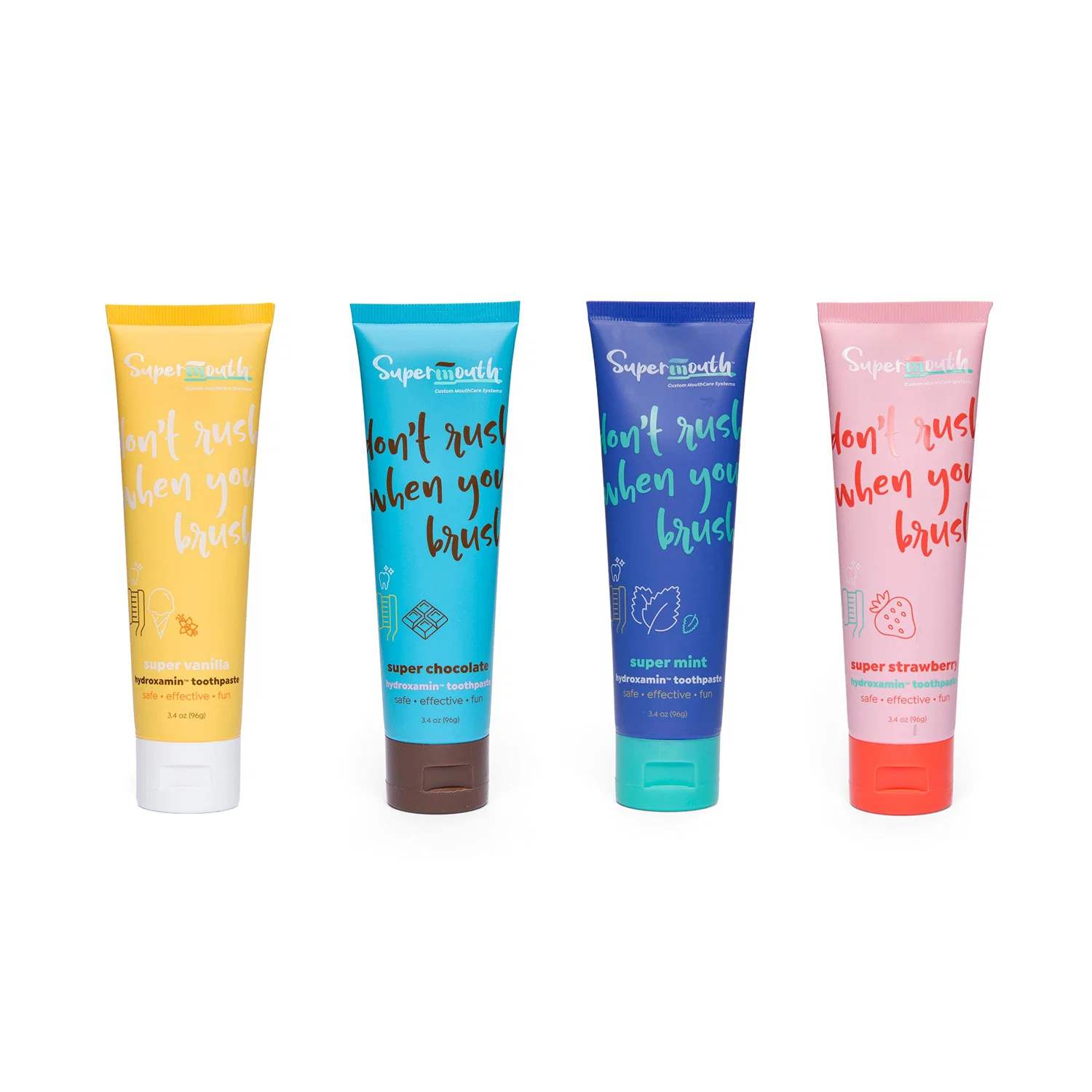
Hydroxyapatite Toothpaste has become increasingly popular among people looking for a mineral-focused approach to daily oral care. While fluoride toothpaste remains widely used, hydroxyapatite offers a different way to support tooth surfaces because it is closely related to the calcium-phosphate mineral naturally found in teeth.
Some products use standard hydroxyapatite, while others contain nano-sized particles designed to interact more closely with microscopic areas of the tooth surface. This has also created growing interest in Fluoride Free Nano Hydroxyapatite Toothpaste for people specifically searching for fluoride-free oral care.
Understanding what hydroxyapatite is, how it relates to enamel, and how different formulations compare can make it easier to choose a toothpaste that fits your needs.
What Is Hydroxyapatite Toothpaste?
Hydroxyapatite is a calcium-phosphate mineral that makes up a large portion of the mineral structure of teeth and bones. Tooth enamel is highly mineralized, which is one reason hydroxyapatite has attracted attention as an oral-care ingredient.
When added to toothpaste, hydroxyapatite is intended to come into direct contact with tooth surfaces while brushing. Researchers have investigated how these mineral particles interact with enamel and dentin, particularly in areas affected by early mineral loss or sensitivity.
What Is Nano-Hydroxyapatite?
Nano-hydroxyapatite is hydroxyapatite manufactured in extremely small particles.
The small particle size allows the mineral to interact with microscopic irregularities on the surfaces of teeth. This is one reason Toothpaste With Nano Hydroxyapatite has become a major category within mineral-based oral care.
Not every product is formulated the same way. Concentration, particle properties, abrasiveness, flavoring, and additional ingredients may vary significantly between products.
Is Hydroxyapatite Toothpaste Always Fluoride-Free?
No. Hydroxyapatite and fluoride-free describe two different characteristics.
Some products contain hydroxyapatite without fluoride, while other formulas may contain different combinations of active ingredients. Consumers specifically looking for Nano Hydroxyapatite Toothpaste Without Fluoride should review the ingredient label rather than assuming every hydroxyapatite product is fluoride-free.
How Does Hydroxyapatite Relate to Tooth Enamel?

To understand why hydroxyapatite is included in toothpaste, it helps to understand the natural balance between demineralization and remineralization.
What Is Demineralization?
Demineralization occurs when minerals are removed from enamel.
Acids in the mouth can contribute to this process. These acids may come from acidic foods and beverages or may be produced when oral bacteria break down carbohydrates and sugars.
If teeth are exposed to frequent acid attacks without enough opportunity to recover, mineral loss can gradually increase.
What Is Remineralization?
Remineralization is the process through which minerals are redeposited into early weakened areas of enamel.
Saliva plays an important role because it helps neutralize acids and supplies calcium and phosphate to the mouth. Toothpaste ingredients may also influence this mineral environment.
Because hydroxyapatite itself is a calcium-phosphate mineral, it has been studied for its possible role in supporting mineral deposition on tooth surfaces.
Can Hydroxyapatite Regrow Enamel?
This distinction is important.
Hydroxyapatite toothpaste may support remineralization of early mineral changes, but this is not the same as growing back enamel that has already been physically lost.
Significant erosion, fractures, cavities, or structural tooth damage cannot simply be reversed by toothpaste and should be assessed by a dental professional.
Why Do People Choose Hydroxyapatite Toothpaste?
People consider hydroxyapatite toothpaste for several different reasons.
Enamel-Focused Oral Care
Many consumers are interested in hydroxyapatite because its mineral composition is closely related to natural tooth mineral.
Using a toothpaste containing hydroxyapatite places these mineral particles directly onto the teeth during brushing, making the ingredient particularly interesting in products marketed around enamel support.
Tooth Sensitivity
Hydroxyapatite has also been studied in relation to dentin sensitivity.
When dentin becomes exposed, tiny channels called dentinal tubules may allow hot, cold, sweet, or other stimuli to reach more sensitive areas of the tooth.
Hydroxyapatite particles may deposit around exposed surfaces and tubules, which is one reason the ingredient is commonly discussed in sensitivity-focused oral care.
Persistent tooth sensitivity should still be evaluated because it may also be associated with gum recession, decay, cracks, or other dental problems.
Fluoride-Free Preferences
Some people specifically want a fluoride-free toothpaste but still want an ingredient associated with tooth mineral.
This has increased interest in Non Fluoride Nano Hydroxyapatite Toothpaste and other mineral-based formulas.
A Non Fluoride Toothpaste With Nano Hydroxyapatite provides a different type of formulation than a basic fluoride-free toothpaste that primarily focuses on cleaning and freshness.
Choosing a fluoride-free product does not automatically make it more appropriate for every person. Individual cavity risk remains important.
Hydroxyapatite Toothpaste vs. Fluoride Toothpaste
Hydroxyapatite and fluoride are both discussed in relation to enamel, but they work differently.
Fluoride has been used in toothpaste for decades and has an extensive evidence base related to cavity prevention and enamel remineralization.
Hydroxyapatite takes a different approach by supplying a calcium-phosphate-based material that resembles natural tooth mineral.
Does Hydroxyapatite Replace Fluoride?
Not necessarily.
Growing research has examined hydroxyapatite as an alternative toothpaste ingredient, including Non Fluoride Nano Hydroxyapatite formulations. However, toothpaste selection should still depend on individual needs.
A person with a history of frequent cavities, significant dry mouth, exposed roots, orthodontic treatment, or other risk factors may require different recommendations than someone with a low cavity risk.
Anyone considering replacing a dentist-recommended fluoride toothpaste with Fluoride Free Nano Hydroxyapatite Toothpaste should consider discussing the change with a dental professional.
How to Choose Hydroxyapatite Toothpaste
The front of a toothpaste package does not always tell you everything about the formula.
Check the Ingredient List
If you specifically want Nano Hydroxyapatite Toothpaste Without Fluoride, look for hydroxyapatite or nano-hydroxyapatite in the ingredient information and confirm that fluoride is not listed.
Terms such as natural toothpaste, mineral toothpaste, and fluoride-free toothpaste do not automatically mean nano-hydroxyapatite is included.
Consider the Entire Formula
Hydroxyapatite is only one part of toothpaste.
Other ingredients may include abrasives, flavorings, sweeteners, foaming agents, sensitivity ingredients, or additional minerals.
A suitable toothpaste should clean effectively while fitting your individual oral-care needs.
Be Careful With Absolute Claims
Be cautious of claims suggesting a toothpaste can completely regrow enamel, eliminate cavities, or guarantee results.
Toothpaste can support oral care, but it does not replace professional treatment when significant dental problems are already present.
How to Use Hydroxyapatite Toothpaste in Your Routine
Consistency remains one of the most important parts of oral care.
Brush thoroughly twice a day using a soft-bristled toothbrush and gentle pressure. Follow the directions provided with your specific toothpaste because formulations may have different instructions.
Cleaning between the teeth is also important because toothbrush bristles cannot fully reach every surface.
Other habits that support a healthy oral environment include limiting frequent sugar exposure, moderating acidic beverages, drinking adequate water, and addressing persistent dry mouth.
When Toothpaste Is Not Enough
Contact a dental professional if you experience persistent tooth pain, ongoing sensitivity, visible cavities, broken teeth, significant erosion, or unexplained changes in tooth appearance.
Frequently Asked Questions About Hydroxyapatite Toothpaste
Is hydroxyapatite toothpaste fluoride-free?
Some hydroxyapatite toothpastes are fluoride-free, while formulations vary. Always check the ingredient list.
What is Non Fluoride Nano Hydroxyapatite?
The term generally describes nano-hydroxyapatite used in an oral-care formulation that does not contain fluoride.
Can hydroxyapatite toothpaste support enamel?
Research has examined hydroxyapatite for its ability to interact with tooth surfaces and support remineralization of early mineral loss.
Does hydroxyapatite toothpaste help sensitivity?
Some hydroxyapatite formulations are designed for sensitivity because mineral particles may interact with exposed dentin and dentinal tubules.
Is hydroxyapatite better than fluoride?
There is no single toothpaste ingredient that is automatically best for everyone. Fluoride has a long-established evidence base, while research on hydroxyapatite continues to expand.
Can children use hydroxyapatite toothpaste?
Hydroxyapatite toothpaste is available in some children’s formulations, but product choice should consider age, cavity risk, dental history, and professional guidance.