
Blog
Prioritizing Your Wellbeing In A Fast-Paced World


Modern life moves quickly. Between work, your home life and being constantly connected by technology, it’s easy to feel pressured to be ‘on’ all of the time. And as a result, your wellbeing can slip down the priority list, leaving you feeling exhausted and unable to keep up. It’s a pace you can only maintain for so long before burnout sets in.
Wellbeing isn’t just about occasional self-care or taking a break one weekend.
It’s about establishing positive habits and maintaining them, allowing you to create boundaries for yourself and knowing when something isn’t right.
In a fast-paced world, it’s important to put your mental and emotional health first, boosting your resilience to help you cope day to day.
Acknowledge how fast-paced life has become
It’s important to acknowledge how demanding modern life can be. Many people feel that they should be able to cope with constant busyness and multitasking, but the truth is that this is a very unrealistic expectation. The constant contact, multitasking and processing endless amounts of information can easily take its toll on your mental energy, leaving you feeling as though you’re barely surviving instead of thriving.

When you recognize that this pace is challenging, you can stop blaming yourself and take a step back. If you’re feeling overwhelmed, it doesn’t mean that you’re failing or not trying hard enough; it could be that you’re responding to an overloaded environment. Knowing this can help you make more intentional choices about how you spend your time and energy.
Get organized
When you’re dealing with competing priorities, getting yourself organized can help you reclaim some of your power. From your home to your inbox, taking some steps to get on top of things can set you up for some better habits going forward.
Getting organized doesn’t have to mean planning every minute of your day. Instead, it can be as simple as prioritizing your tasks, breaking them down into more manageable steps and being realistic about what you can achieve in a day. From creating to do list to time-blocking your day, you can begin to reduce the mental clutter.
It’s also important to remember that getting organized can take some time, and will involve building habits over time. It’s still important to get your rest, making downtime a key part of your day, even when you’ve got a lot on your plate.
Don’t ignore early signs of burnout
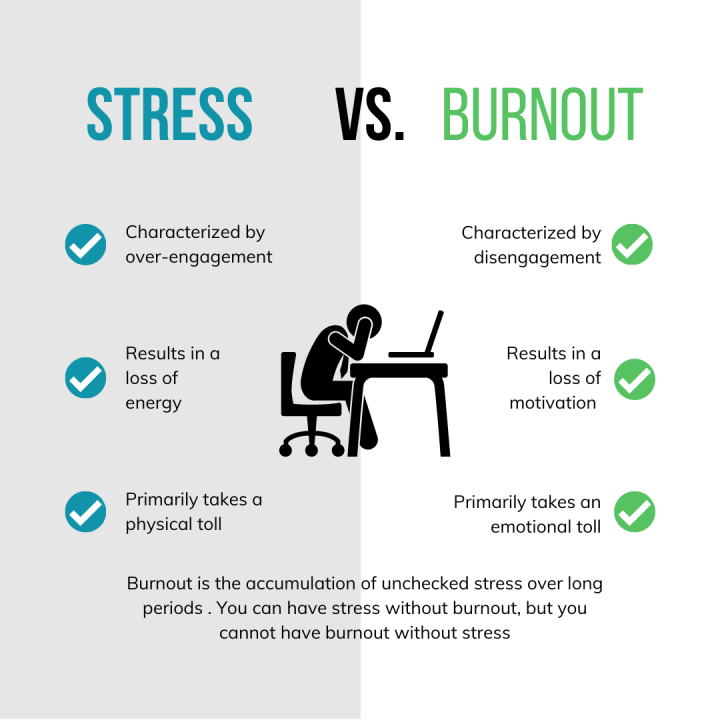
Burnout is something that builds over time, so the more in tune you are with how you’re feeling, the earlier you can step in and make some changes. Some of the signs of burnout include feeling constantly tired, becoming irritable and losing motivation for things you normally enjoy. This can also lead to feelings of anxiety, affect your sleep and your appetite. By recognizing these signs, you can take steps to slow down, ask for support and adjust your routine. A regular check-in with yourself can help you assess how you’re feeling, allowing you spot any patterns that could lead to problems later on.
Set boundaries to protect your energy
Setting boundaries is one of the most effective ways to protect your wellbeing when everything around you is moving quickly. This can help you balance work, your social commitments and everything else in your life.
Your boundaries are personal to you, and can include steps such as muting notifications outside of work time, and saying no to commitments that can feel like a drain on your time. It isn’t necessarily about pushing people away, but more about protecting your own energy. That way, you’ll feel more energized when it matters and be able to be in the present.
Build wellbeing habits you can stick to
Establishing some small, simple habits can make a big difference to your overall wellbeing. Fitting them naturally into your routine will keep them sustainable, instead of trying to force behavior changes that take up even more of your energy.
Some of these habits can include:
- Daily exercise, including spending time outside.
- Regular screen breaks.
- Maintaining a consistent sleep routine.
- Finish work at a reasonable hour.
- Enjoying some quiet time by yourself.
- Nourish yourself with regular, balanced meals.
- Take breaks from your phone, especially at night.
While it can take some time to build up these habits, some consistency will pay off, becoming a part of your daily routine.
When self-care isn’t enough, ask for help
Establishing some self-care habits is good for maintaining your wellbeing, but it may not be enough on its own. If you’re dealing with ongoing stress and anxiety, then you may need to seek some additional help.
Professional support can give you the space to process your feelings and help you find some structure and ways to cope. While concerns about cost or accessibility can be a barrier for some, resources like anxiety therapists who also take insurance can put this support within your reach. Reaching out sooner rather than later can prevent issues from becoming more overwhelming, giving you what you need to help your wellbeing long-term.
Don’t feel like you have to handle everything alone
A lot of people feel pressure to cope with things on their own, often because it looks like everyone else is coping. But people very rarely manage things alone, which is why it’s important to seek support where you can.
Whether you need to confide in a friend, work with your partner to find balance at home, or talk to your boss about your workload, reach out and have those conversations. With some additional support, you can get the space you need to focus on your own wellbeing.
Making your wellbeing a priority in a busy world isn’t about getting by or slowing down completely; it’s about finding a balance through boundaries and moving at a pace that works for you. Making small changes to your daily routine can give you space to put yourself first and take care of your mental health, helping you cope with the pressures of a fast-paced life.