
Blog
Ceramic Crown Benefits Uses and Is It Right for You

If you have been told by your dentist to get a ceramic crown, you might be feeling a little overwhelmed. There is a lot of information out there, and not all of it is easy to make sense of. So let’s slow down and go through what ceramic crowns actually are, how they work, and what you should probably know before sitting in the dentist’s chair.
What Exactly Is a Ceramic Crown?
A crown made from ceramic is a tooth-shaped cover that gets placed on the top of a compromised tooth. The aim here is to enhance the functionality of the tooth, along with its appearance. Unlike older metal crowns, ceramic crown are made entirely from tooth-coloured material, which makes them a popular choice for people who want their smile to look, well, like a natural smile.
They are most commonly used on front teeth, where appearance tends to matter more, though plenty of dentists also recommend them for back teeth depending on the situation.
Why Do People Need Crowns in the First Place?
This is where things can vary a fair bit from person to person. Among the most frequent causes are: Teeth that are severely fractured or broken and cannot be restored by a simple filling procedure. Teeth that have undergone a root canal and need to be protected. Severe decay that has gone beyond what a filling can reasonably handle. Sometimes, crowns are also used as part of a bridge to replace a missing tooth.
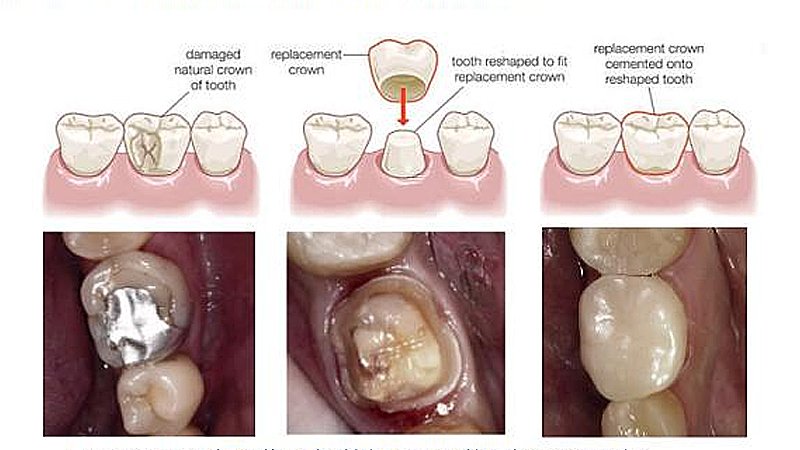
It’s worth noting that not every damaged tooth needs a crown. A good dentist will usually explore simpler options first. Crowns are generally considered when the tooth structure is compromised enough that a less invasive fix just won’t hold up long-term.
How Are Ceramic Crowns Made?
Here’s where modern dentistry has become genuinely impressive. The process has changed quite a lot over the last decade or so.
Traditionally, the dentist would shave down the tooth, take an impression using a putty-like material, and send that mould off to a dental lab. The lab would then craft the crown by hand, which could take a week or two. In the meantime, patients wore a temporary crown. With many dental labs completely switching to digital methods are able to fabricate and deliver dental crowns a lot earlier.
These days, many clinics use CAD/CAM technology, which stands for computer-aided design and computer-aided manufacturing. With this method, the dentist can scan the tooth digitally, design the crown on a screen, and mill it from a ceramic block right there in the practice. Some patients walk out the same day with their permanent crown already fitted. Not every clinic has this technology, so it’s worth asking your dentist what their process looks like.
Do Ceramic Crowns Look Natural?
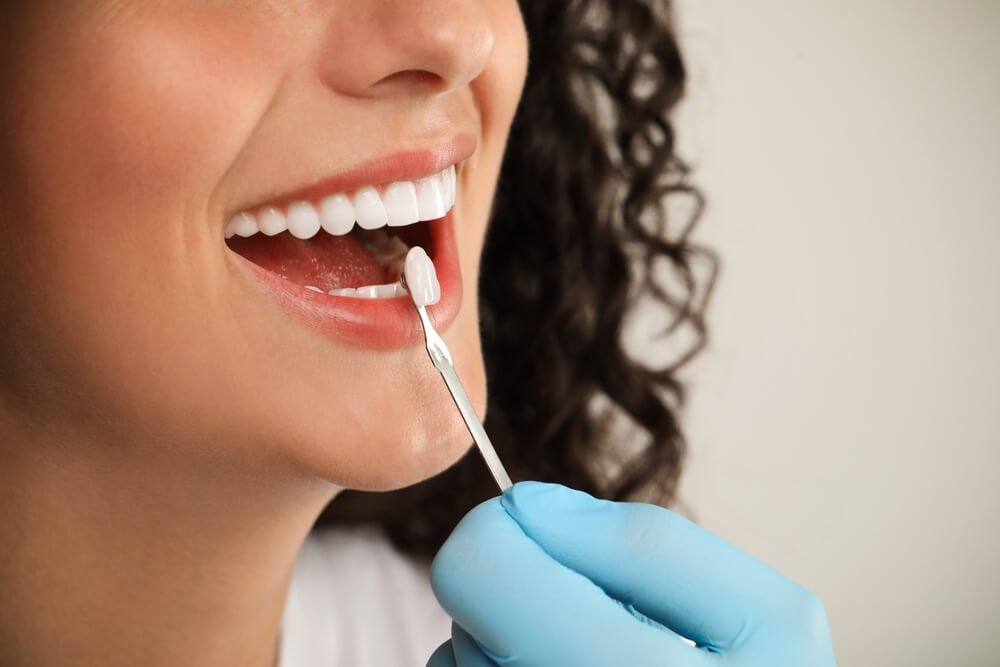
Honestly, most people would struggle to spot one. Good-quality ceramic crowns are shaded and shaped to match the surrounding teeth, and when done well, they blend in seamlessly. The shade matching is usually done at the start of the process, often under natural lighting, to make sure the result isn’t jarring.
That said, results can vary depending on the skill of the dental technician and the quality of materials used. It’s probably not a bad idea to ask to see examples of previous crown work if you are concerned about aesthetics.
How Long Do They Last?
This is one of the most common questions, and the honest answer is: it depends. Ceramic crowns can even last for more than a decade, though some people get much longer out of them. Others might find theirs needs attention sooner, especially if they grind their teeth or haven’t followed care instructions closely.
Teeth grinding, or bruxism, is something dentists often flag as a concern. If you grind in your sleep, it can put a lot of pressure on a crown over time. A night guard might be recommended alongside the crown to protect it.
Daily habits matter too. Chewing on ice, biting your nails, or regularly consuming very hard foods can shorten their lifespan. Good oral hygiene, including brushing and flossing around the crown, helps significantly.
Are There Any Drawbacks Worth Knowing About?
It is worth noting that ceramic crowns are more prone to chipping under extreme pressure as compared to metal crowns. They also tend to cost more, which is something many patients feel unprepared for.
Some people experience a bit of sensitivity after the crown preparation particularly to hot and cold. This usually settles down within a few weeks, though it occasionally persists. If sensitivity doesn’t ease up, it’s worth going back to the dentist to check once.
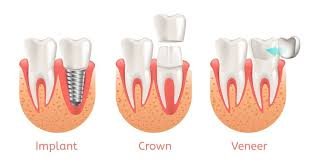
There is also the matter of tooth reduction. To fit a crown, the dentist has to shave down the original tooth. This is irreversible, which is why some dentists prefer to discuss alternatives like veneers or onlays before committing to a crown if the situation allows.
Is a Ceramic Crown the Right Choice?
That really depends on the specific tooth, your budget, and what your dentist recommends based on their clinical assessment. For teeth that need to look natural and can handle the investment, ceramic crowns are often an excellent option. For heavily loaded back teeth in someone who grinds, a dentist might lean toward zirconia specifically for its strength.
The best thing you can do is go into the consultation with questions. Ask about material options, costs, how long the process will take, and what aftercare looks like. A dentist who takes the time to explain all of this properly is usually a good sign.
Ceramic crowns have come a long way, and for many patients, they genuinely deliver both function and confidence. Just make sure the decision is made with all the information you need.