
Blog
What Makes Methylated Vitamins Different from Standard Forms


The main difference between methylated and standard vitamins is the processing your body must do.
Standard vitamins need extra steps. Methylated vitamins skip some of those steps. This can be helpful for certain people but unnecessary for others.
This difference does not mean methylated vitamins always absorb better. Absorption and activation are two different things. A vitamin can be absorbed into the bloodstream but still need conversion to be useful.
Key differences explained simply
- Standard vitamins need conversion inside the body
- Methylated vitamins are already active
- Both forms can still be absorbed through the gut
- The benefit depends on individual biology
Common myths
- “Methylated vitamins work better for everyone”
- “Non-methylated vitamins are useless”
- “More bioavailable always means healthier”
Expert insight
A registered dietitian with clinical experience once noted:
“Most nutrient issues are not caused by the form of the vitamin, but by overall diet quality, digestion, and consistency of intake.”
Situations where methylated forms may matter
- Certain genetic variations
- Long-term digestive disorders
- Specific medical conditions
- Clinically confirmed deficiencies
Situations where they may not matter
- Healthy adults with balanced diets
- People without absorption issues
- Those meeting needs through food
The Role of Genetics and Why MTHFR Gets So Much Attention

One reason methylated vitamins became popular is because of discussions around genetic variations, especially one often called MTHFR.
This gene helps your body process folate. Some people have variations that may slow this process. Online discussions sometimes exaggerate how serious this is.
Many people with these gene changes live normal, healthy lives without special supplements.
Important facts about genetics and methylation
- Gene variations are common, not rare
- Having a variation does not mean dysfunction
- Lifestyle and diet still matter more
- Testing should guide decisions, not fear
What research actually suggests
- Some people convert folic acid less efficiently
- The effect is often mild
- Not everyone with the variation benefits from methylated forms
Example scenario
Two people have the same gene variation. One eats leafy greens regularly and feels great. The other eats poorly and feels tired. The difference is diet and lifestyle, not just genetics.
Helpful approach to genetics
- Use testing as information, not diagnosis
- Focus on food first
- Avoid self-prescribing high doses
- Work with a qualified professional
Are Methylated Vitamins Easier to Absorb or Just Easier to Use
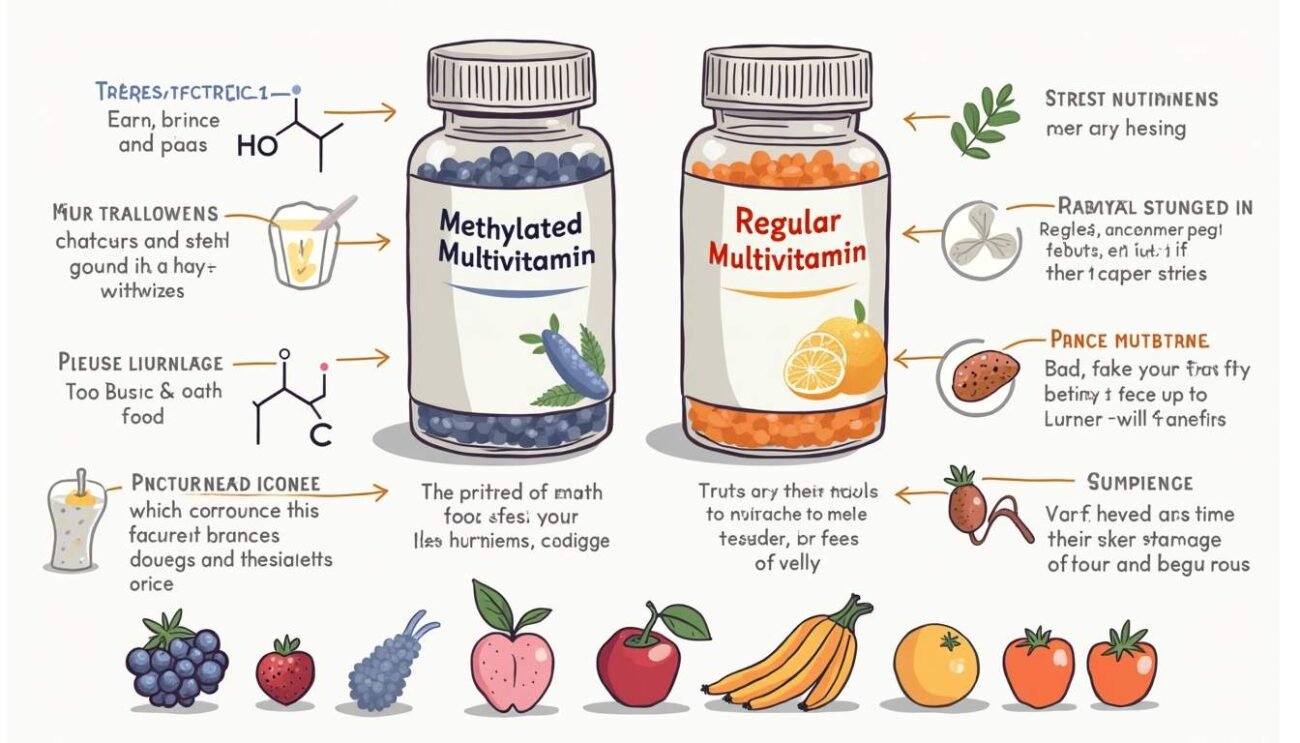
This is one of the most misunderstood parts of the topic.
Absorption means getting the vitamin from your gut into your bloodstream. Usage means your cells can actually do something with it.
Methylated vitamins are often easier to use, not necessarily easier to absorb.
Key distinction explained
- Absorption happens in the gut
- Activation happens in cells
- Methylation mostly affects activation
- Digestive health affects absorption more
Practical example
If someone has poor gut health, switching to methylated vitamins may not fix absorption problems. Improving digestion may help more.
What actually improves absorption
- Adequate stomach acid
- Healthy gut lining
- Balanced gut bacteria
- Taking vitamins with food when appropriate
What improves usage
- Proper enzyme function
- Balanced nutrient intake
- Adequate protein intake
- Overall metabolic health
Benefits Some People Report from Methylated Vitamins
Some people do feel better when switching to methylated vitamins. This does not mean everyone will have the same experience.
Reported benefits often include better energy, improved focus, and fewer digestive issues.
Possible reasons for these benefits
- Faster activation in the body
- Correction of an existing deficiency
- Placebo effect combined with consistency
- Better overall supplement quality
Commonly reported improvements
- Reduced fatigue
- Improved mood
- Better mental clarity
- Less bloating with supplements
Real-life style example
A person with low B12 levels tried several supplements without results. After switching to a methylated form under guidance, blood levels improved. In this case, the form mattered.
Important reminder
Feeling better does not always mean the supplement is superior. It may simply be the right fit for that person at that time.
Possible Downsides and Side Effects of Methylated Vitamins
Methylated vitamins are often marketed as gentle, but they can cause side effects in some people, especially at high doses.
Some people are sensitive to methyl donors, meaning they react strongly when these vitamins increase methylation too quickly.
Common side effects reported
- Headaches
- Anxiety or restlessness
- Sleep disturbances
- Digestive discomfort
Why this happens
- Overstimulation of certain pathways
- Dose too high for individual needs
- Lack of balancing nutrients
- Nervous system sensitivity
People who should be cautious
- Those with anxiety disorders
- People sensitive to stimulants
- Individuals taking multiple supplements
- Those without medical guidance
Smart safety tips
- Start with low doses
- Introduce one supplement at a time
- Monitor how you feel
- Avoid stacking similar products
Comparing Common Methylated and Non-Methylated Forms
Below is a simple comparison to help clarify differences. This table is meant to educate, not recommend one over the other.
| Vitamin Type | Standard Form | Methylated Form | Main Difference |
|---|---|---|---|
| Folate | Folic acid | Methylfolate | Methylated is already active |
| Vitamin B12 | Cyanocobalamin | Methylcobalamin | Different activation steps |
| Vitamin B6 | Pyridoxine | P5P | Active versus inactive |
Key takeaway from the comparison
- Both forms can work
- Individual response matters more than labels
- Quality and dosage still matter
How Food Sources Compare to Methylated Supplements
Food naturally contains vitamins in forms your body recognizes well. Leafy greens, beans, eggs, meat, and whole grains provide nutrients in balanced amounts.
For many people, food-based intake works better than any supplement.
Why food often wins
- Nutrients work together
- Lower risk of overdose
- Better long-term support
- Supports gut health
Examples of food-based methylation support
- Spinach and kale for folate
- Eggs for B vitamins
- Fish for B12
- Legumes for overall nutrient balance
When supplements may help
- Documented deficiencies
- Restricted diets
- Absorption disorders
- Increased needs due to life stage
Who May Actually Benefit from Methylated Vitamins
Not everyone needs methylated vitamins, but some people may benefit more than others.
Groups that may consider them
- People with confirmed absorption issues
- Those with specific genetic findings
- Individuals with long-term digestive conditions
- Older adults with reduced enzyme activity
Groups that often do not need them
- Healthy adults with balanced diets
- People without symptoms
- Those already meeting needs through food
Key advice
Testing, symptoms, and professional guidance should lead decisions, not online trends.
How to Choose the Right Vitamin Form Without Confusion
Choosing supplements does not have to be complicated. The goal is support, not perfection.
Practical tips
- Check blood work before supplementing
- Avoid megadoses unless prescribed
- Choose reputable brands
- Focus on consistency over complexity
Questions to ask yourself
- Do I feel better with this supplement
- Is there evidence I need it
- Am I addressing diet and lifestyle too
- Have I given it enough time
Red flags in marketing
- Claims that one form works for everyone
- Fear-based language
- Promises of instant results
- Dismissal of food-based nutrition
Expert Perspective on the Bigger Picture of Vitamin Health
Many nutrition professionals agree that supplements are tools, not cures.
One clinical nutrition specialist shared this viewpoint:
“The best supplement is the one that fills a real gap, not the one with the most advanced label.”
This highlights a key truth. Health improves most when supplements support a strong foundation.
That foundation includes
- Whole foods
- Regular movement
- Sleep quality
- Stress management
Supplements, methylated or not, work best when added thoughtfully.
Final Thoughts
Methylated vitamins are not magic, and they are not useless. They are simply one option.
They are often easier for the body to use, not necessarily easier to absorb. For some people, that difference matters. For many others, it does not.
The real question is not whether methylated vitamins are better, but whether they are better for you.