
Blog
Tofu – Health Benefits and Risks More Guide

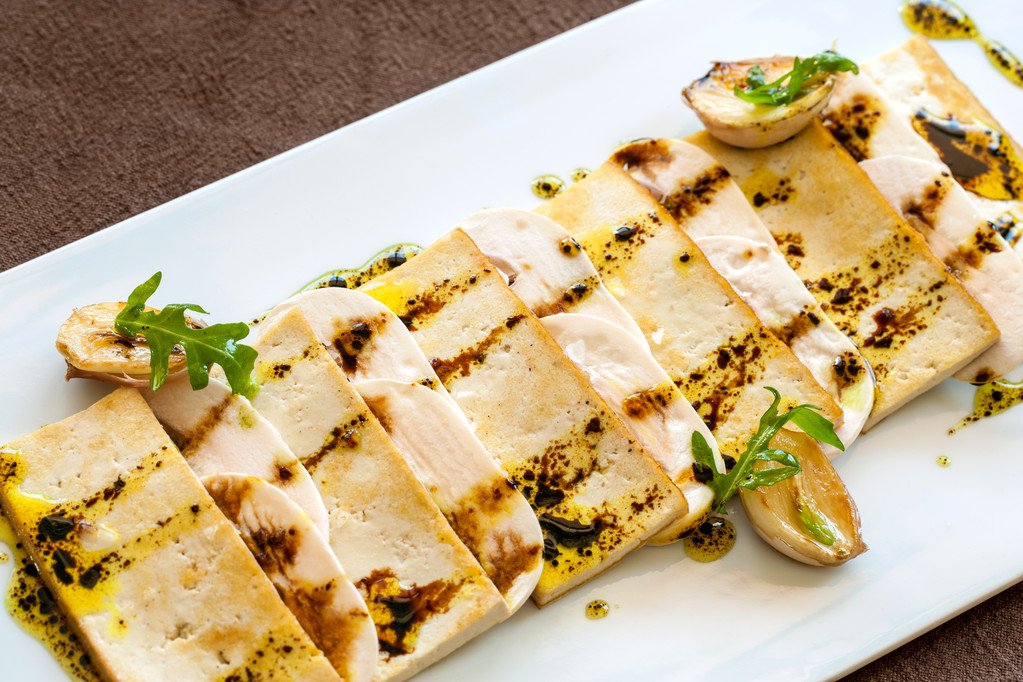
Tofu is a food made from soybeans that has been eaten for hundreds of years, mainly in Asia, and now all over the world. Some people love tofu because it is light and flexible in cooking. Others are unsure about it, often because they have heard mixed things about soy. This guide explains tofu in a clear and simple way. You will learn what tofu is, how it is made, what it offers to your health, what risks you should know about, and how to eat it wisely.
The aim here is not to praise tofu blindly or warn against it unfairly, but to give you useful facts so you can decide if tofu fits your life and your diet.
What Tofu Really Is and How It Is Made
Tofu starts with soybeans. The beans are soaked, ground, and boiled to make soy milk. Then a natural thickener (often calcium sulfate or magnesium chloride) is added to make the milk turn into curds. These curds are pressed into blocks, and that becomes tofu.
This process is quite similar to how cheese is made from milk, which is why tofu is often called “soy cheese,” even though it contains no dairy.
After understanding this process, it becomes easier to trust tofu as a simple food, not something artificial.
Main steps in tofu making
- Soaking dry soybeans in water
- Grinding them into a smooth liquid
- Boiling and filtering to make soy milk
- Adding a coagulant to form curds
- Pressing curds into blocks
Common types of tofu
- Silken tofu (soft, creamy, often used in soups and desserts)
- Firm tofu (holds shape better, used in stir-fries)
- Extra-firm tofu (very dense, good for grilling or baking)
- Fermented tofu (strong flavor, used as seasoning)
Why Tofu Has Become So Popular Worldwide
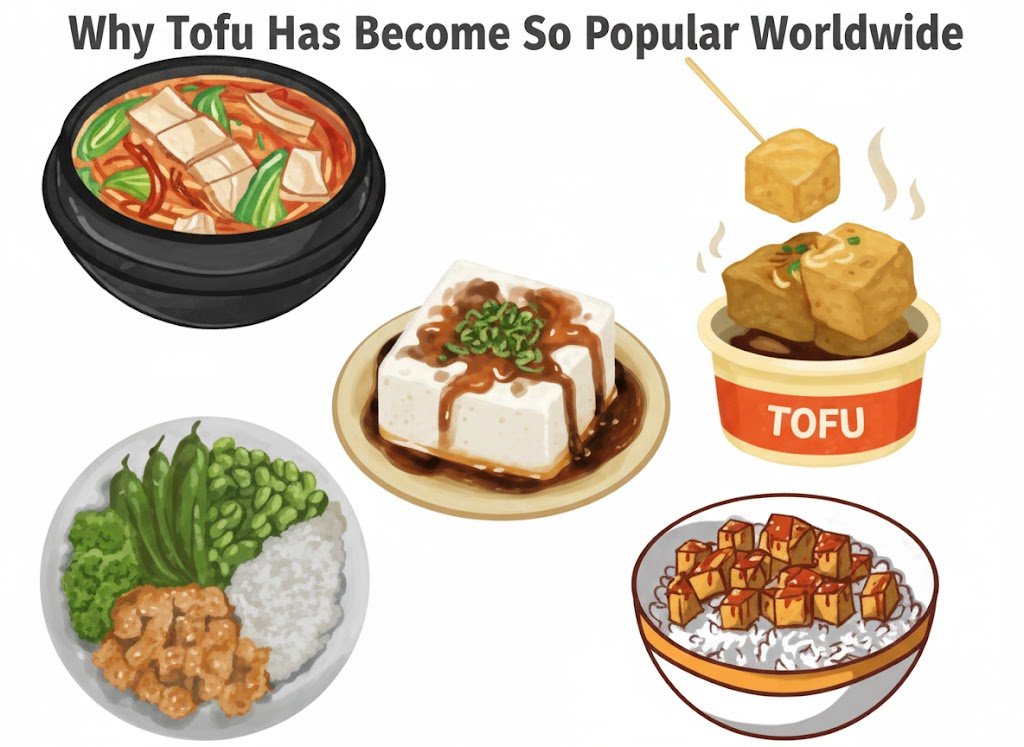
Tofu is now used in many countries because it fits many food styles. Vegetarians and vegans like it because it provides protein without meat. People who cannot eat dairy find tofu helpful as well.
Also, tofu takes on the taste of whatever you cook it with. This makes it useful in both savory and sweet dishes.
Another reason for its rise is health awareness. As more people try to eat less red meat and more plant-based foods, tofu has become a regular option.
Reasons people choose tofu
- Low in calories compared to many meats
- No cholesterol
- Can be used in many recipes
- Fits vegetarian, vegan, and lactose-free diets
- Affordable and widely available
Nutrients Found in Tofu
Tofu may look plain, but it is full of useful nutrients. It is mainly known for protein, but it also contains fats, minerals, and some vitamins.
Below is a table showing common nutrients found in 100 grams of firm tofu.
| Nutrient | Amount (Approx.) | Why It Matters |
|---|---|---|
| Protein | 8 grams | Helps build and repair body tissues |
| Calcium | 350 mg (if calcium-set) | Supports bones and teeth |
| Iron | 5 mg | Helps carry oxygen in blood |
| Fat | 4–5 grams | Provides energy and supports cells |
| Magnesium | 30 mg | Helps muscle and nerve function |
| Calories | 75 | Low-energy food |
This shows that tofu is not just filler food. It gives useful building blocks for your body without too many calories.
How Tofu Helps Support Muscle and Strength
Protein is the main reason many people eat tofu. It contains all essential amino acids, which means it is a “complete” protein, something rare in plant foods.
For people who do not eat meat, tofu is one of the best protein choices. Even for those who eat meat, tofu can be used to reduce meat intake without losing protein.
A sports nutritionist, Dr. Alan Reed, once said in an interview:
“Soy protein from foods like tofu can support muscle repair just as well as many animal proteins when eaten in proper amounts.”
How tofu supports muscles
- Provides amino acids for muscle repair
- Easy to digest compared to some meats
- Can be eaten before or after workouts
- Helps people reduce heavy meat intake
Example
A person doing light exercise three times a week can include tofu stir-fry or tofu salad as part of their meals to meet protein needs without relying only on meat or eggs.
Tofu and Heart Health
One of the strongest benefits linked to tofu is heart health. Tofu has no cholesterol and contains fats that are mostly unsaturated, which are known to be better for the heart.
Studies have shown that replacing some red meat with tofu can lower bad cholesterol (LDL). This does not mean tofu alone will fix heart problems, but it helps when part of a balanced diet.
Ways tofu supports the heart
- Contains no cholesterol
- Low in saturated fat
- Helps reduce LDL cholesterol
- Supports better blood vessel function
Helpful tips
- Cook tofu with little oil
- Avoid deep-frying often
- Pair tofu with vegetables and whole grains
- Use herbs instead of heavy sauces
Tofu and Bone Health
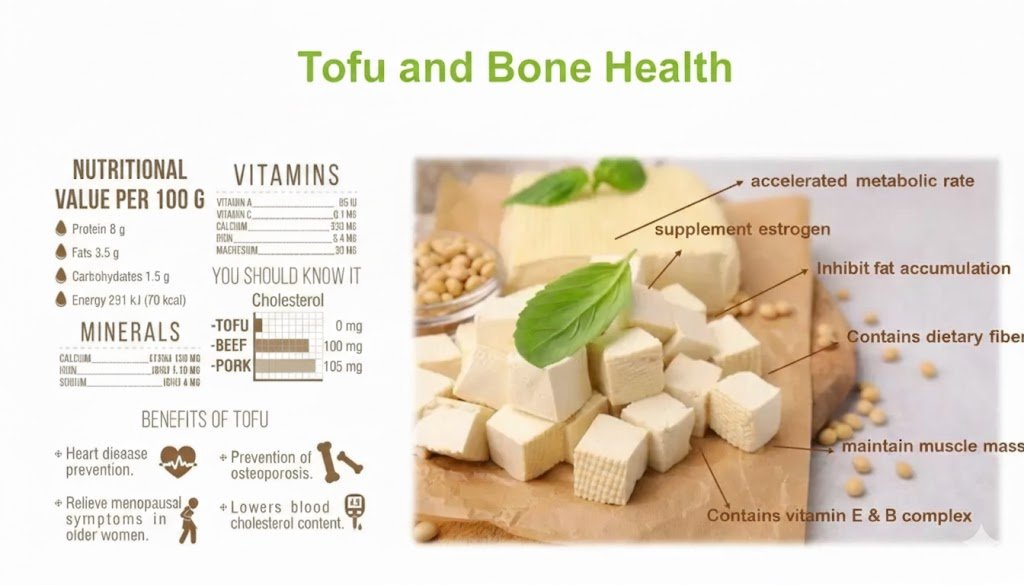
Tofu can be a good source of calcium, especially if it is made using calcium sulfate. Calcium is needed to keep bones strong and reduce the risk of fractures.
For people who avoid dairy, calcium-rich tofu can be an important option.
Bone-friendly points about tofu
- Can provide large amounts of calcium
- Contains magnesium and phosphorus
- Helps maintain bone density when part of a healthy diet
Example
A person who does not drink milk can get calcium from tofu, leafy greens, almonds, and fortified plant milks.
Tofu and Digestive Comfort
Tofu is generally easy to digest. It does not contain lactose, so people who have trouble with milk products can often eat tofu without discomfort.
However, some people may feel bloated after eating soy products, especially if they are not used to them.
Digestive benefits
- Low in fiber compared to whole beans, so gentler on the stomach
- Does not contain lactose
- Suitable for many sensitive stomachs
Tips for better digestion
- Start with small portions
- Choose firm tofu rather than heavily processed soy foods
- Cook tofu instead of eating it raw
- Avoid pairing tofu with too many gas-forming foods at once
Tofu and Hormones: Clearing Common Confusion
One of the most debated topics around tofu is its effect on hormones. Soy contains compounds called isoflavones, which act a little like estrogen in the body, but much weaker.
Some people worry that tofu may affect fertility or cause hormonal imbalance. Most research shows that normal tofu intake is safe for both men and women.
Dr. Linda Marks, a food science researcher, says:
“Eating tofu in moderate amounts does not change hormone levels in a harmful way for most people.”
Important points
- Isoflavones are plant compounds, not actual hormones
- Their effect is much weaker than human estrogen
- Normal consumption does not harm fertility
- Extreme intake of soy supplements is a different case
Practical advice
Stick to whole tofu and avoid taking large soy pills unless advised by a doctor.
Tofu and Weight Management
Tofu can help with weight control because it is low in calories and high in protein. Protein helps you feel full, which may reduce overeating.
Unlike many snack foods, tofu does not cause sudden spikes in blood sugar.
How tofu helps with weight control
- Keeps you full longer
- Low in calories compared to meat
- Helps reduce junk food cravings
- Can replace high-fat foods
Simple meal idea
Grilled tofu with mixed vegetables and brown rice makes a filling meal without excess calories.
Tofu in Daily Cooking
Tofu is flexible in the kitchen. It can be used in soups, salads, sandwiches, curries, and even desserts.
Below is a table showing simple tofu uses and how they fit daily meals.
| Meal Time | Tofu Use | Simple Example |
|---|---|---|
| Breakfast | Soft tofu | Blended with fruit for a smoothie |
| Lunch | Firm tofu | Cubed in salad or sandwich |
| Dinner | Extra-firm tofu | Stir-fried with vegetables |
| Snack | Baked tofu | With light seasoning |
| Dessert | Silken tofu | Mixed with cocoa and honey |
This shows that tofu is not limited to one type of meal. It can be used throughout the day.
Rich Nutrient Profile: Why Tofu Is Considered a Nutrient-Dense Food
Tofu is often described as a “nutrient-dense” food. This means it offers many important nutrients in a small number of calories. Unlike many processed foods that provide only energy, tofu gives your body tools to repair itself, stay strong, and work smoothly.
A 100-gram serving of firm, calcium-set tofu offers a strong mix of protein, minerals, and healthy fats while staying moderate in calories. This makes tofu helpful for people trying to eat well without overeating.
What makes tofu nutrient-dense
- High protein with few calories
- Rich in minerals that support bones and muscles
- Low in sugar
- No cholesterol
- Balanced fat content
Nutrient values in firm calcium-set tofu (100 g)
| Nutrient | Amount | Why It Is Helpful |
|---|---|---|
| Calories | 144 | Gives energy without excess |
| Protein | 17 g | Builds and repairs muscles |
| Carbs | 3 g | Low impact on blood sugar |
| Fiber | 2 g | Supports digestion |
| Fat | 9 g | Supports brain and hormones |
| Calcium | 53% DV | Strengthens bones and teeth |
| Manganese | 51% DV | Helps metabolism |
| Copper | 42% DV | Supports iron use and nerves |
| Selenium | 32% DV | Helps immune system |
| Vitamin A | 18% DV | Supports eyesight and skin |
| Phosphorus | 15% DV | Works with calcium for bones |
| Iron | 15% DV | Helps carry oxygen in blood |
| Magnesium | 14% DV | Supports muscles and nerves |
| Zinc | 14% DV | Helps healing and immunity |
Possible Risks of Eating Tofu
While tofu has many benefits, it is not perfect for everyone. Some risks and concerns should be known.
Soy allergy
Some people are allergic to soy. For them, tofu is not safe and should be avoided.
Thyroid concerns
In people with thyroid issues, very large soy intake may affect how the body uses iodine. However, eating normal amounts of tofu is usually safe.
Highly processed soy foods
Tofu itself is not heavily processed, but some soy-based foods are. These can contain too much salt or additives.
Key cautions
- Avoid tofu if you are allergic to soy
- Eat moderate amounts
- Check labels for added salt or preservatives
- Balance tofu with other protein sources
Tofu and Children or Older Adults
Tofu can be useful for both children and older adults.
For children, tofu offers protein and calcium without heavy fats. For older adults, it is easy to chew and digest, which is helpful when appetite or dental health changes.
For children
- Soft texture makes it easy to eat
- Helps support growth
- Can be mixed into familiar dishes
For older adults
- Easy on digestion
- Helps maintain muscle mass
- Useful when meat is hard to chew
How Much Tofu Is a Good Amount
There is no one-size-fits-all amount, but moderation is key.
For most healthy adults, eating tofu 2 to 4 times a week is safe and helpful. Some people eat it daily without problems, but it is still wise to vary protein sources.
Balanced protein sources
- Tofu
- Beans and lentils
- Nuts and seeds
- Eggs and dairy (if consumed)
- Fish or lean meat
Choosing Good Quality Tofu
Not all tofu is the same. Some types are better than others.
What to look for when buying tofu
- Short ingredient list (soybeans, water, coagulant)
- No strange additives
- Stored properly in the fridge
- Fresh smell and firm texture
Avoid tofu that
- Smells sour
- Has slimy texture
- Has many preservatives
Tofu and the Environment
Tofu is often seen as more friendly to the planet than meat, especially beef.
Producing tofu uses less water and land than producing red meat, and creates fewer greenhouse gases.
Environmental benefits
- Lower water use than beef
- Less land needed
- Lower carbon output
- Plant-based source
This does not mean tofu is perfect, but it is generally lighter on the planet than many animal foods.
Tips for Eating Tofu in a Healthy Way
To get the most from tofu, how you prepare it matters.
Helpful tips
- Bake or grill instead of deep-fry
- Use herbs and spices instead of heavy sauces
- Combine with vegetables and whole grains
- Do not rely on tofu as your only protein source
Simple cooking example
Marinate tofu in lemon juice, garlic, and herbs, then bake until lightly crisp. Serve with steamed vegetables.
Antinutrients in Tofu: What They Are and Why They Matter
Like most plant foods, tofu contains natural compounds called antinutrients. These are not harmful in normal diets, but they can reduce how well your body absorbs certain nutrients.
Tofu contains two main antinutrients:
Phytates
These can reduce how well your body absorbs:
- Calcium
- Iron
- Zinc
Trypsin inhibitors
These may:
- Slow protein digestion
- Cause mild stomach discomfort in sensitive people
- Reduce mineral absorption when eaten in very large amounts
Should antinutrients worry you?
For most people, the answer is no.
If you eat a balanced diet with many foods, antinutrients are not a problem. They become more important only if someone eats a very limited diet or relies almost only on soy products for nutrition.
How Cooking and Processing Reduce Antinutrients
Traditional food preparation methods naturally lower antinutrient levels.
Ways to reduce antinutrients in soy foods
- Soaking soybeans before cooking
- Cooking tofu instead of eating it raw
- Sprouting soybeans before processing
- Fermenting soy products
What research suggests
Older studies show that sprouting soybeans before making tofu may:
- Reduce phytates by up to 56%
- Reduce trypsin inhibitors by up to 81%
- Increase protein content by about 13%
This means that traditional soy foods are already designed to be easier to digest and more nutritious.
Fermented Soy Foods: Easier Nutrient Absorption
Fermented soy foods such as:
- Miso
- Tempeh
- Natto
- Tamari
have lower antinutrient levels than regular tofu.
This makes their minerals and protein easier for the body to use.
Why fermentation helps
- Breaks down antinutrients
- Improves protein digestion
- Supports gut bacteria
- Increases mineral absorption
People with sensitive digestion may benefit from including both tofu and fermented soy foods in their meals.
Antinutrients May Have Some Benefits
Interestingly, antinutrients are not always bad.
For example, phytates may:
- Help control iron absorption
- Protect against too much iron in the body
- Act as antioxidants
This is useful because too much iron in the body can damage organs over time.
So, antinutrients are not enemies — they simply need balance.
Isoflavones: A Special Plant Compound in Tofu
Tofu contains natural plant compounds called isoflavones. These are often discussed because they act a little like estrogen in the body, but much weaker.
Isoflavones are not hormones. They only interact gently with hormone receptors.
How isoflavones behave
- Sometimes act like weak estrogen
- Sometimes block stronger estrogen
- Sometimes have no estrogen effect at all
Their behavior depends on:
- Age
- Sex
- Hormone levels
- Gut bacteria
Isoflavone content in soy foods
- Firm tofu (100 g): about 60 mg
- Soy milk (1 cup): about 28 mg
- Tempeh (100 g): about 35–45 mg
Isoflavones and Cancer Safety
Many people fear that tofu may increase cancer risk due to its estrogen-like compounds. Large health reviews do not support this fear.
The European Food Safety Authority concluded that soy isoflavones do not raise the risk of:
- Breast cancer
- Thyroid cancer
- Uterine cancer
in peri- and postmenopausal women.
What research suggests instead
Regular tofu intake may:
- Lower breast cancer recurrence
- Reduce cancer-related death
- Lower hormone-related cancer risks
This does not mean tofu prevents cancer, but it does not increase risk when eaten normally.
Tofu and Heart Health: More Than Just Cholesterol
Tofu helps the heart in more than one way.
How tofu supports heart health
- Lowers LDL (bad) cholesterol
- Helps reduce total cholesterol
- Contains healthy fats
- Has no cholesterol
- Contains fiber and plant protein
A 2019 review found soy protein lowered LDL cholesterol by 3–4%.
A 2023 analysis of 29 studies found that soy intake was linked to:
- 21% lower risk of heart disease
- 17% lower risk of type 2 diabetes
This shows tofu helps both heart and blood sugar balance.
Tofu and Blood Pressure
Some studies suggest that soy isoflavones may help slightly lower blood pressure.
This happens because:
- Blood vessels relax more easily
- Inflammation may decrease
- Blood flow improves
This effect is mild, but helpful when combined with:
- Low salt intake
- Regular exercise
- Balanced diet
Tofu and Cancer Risk Reduction
Breast cancer
Several studies suggest that women who eat soy-rich diets may:
- Have lower risk of breast cancer
- Have lower death rates after diagnosis
- Have lower recurrence risk
A 2024 study found a 26% lower recurrence rate among women consuming about 60 mg of isoflavones daily.
Other cancers
Soy-rich diets may also reduce risk of:
- Colon cancer
- Stomach cancer
- Prostate cancer
- Endometrial cancer
Small but regular soy intake appears more helpful than large occasional servings.
Final Thoughts
Tofu is a simple food with a long history and a wide range of uses. It offers protein, minerals, and flexibility in cooking, while being gentle on the heart and lighter on the planet than many meats.
At the same time, tofu is not magic food. It should be eaten as part of a balanced diet, not as the only protein source. People with soy allergies or specific medical conditions should be careful and seek advice if unsure.
When eaten in moderate amounts and prepared in healthy ways, tofu can be a useful and enjoyable part of daily meals for many people.
The key is balance, variety, and listening to how your body responds.