
Blog
Soutaipasu: Hidden Health Benefits, Cuisine & Culture

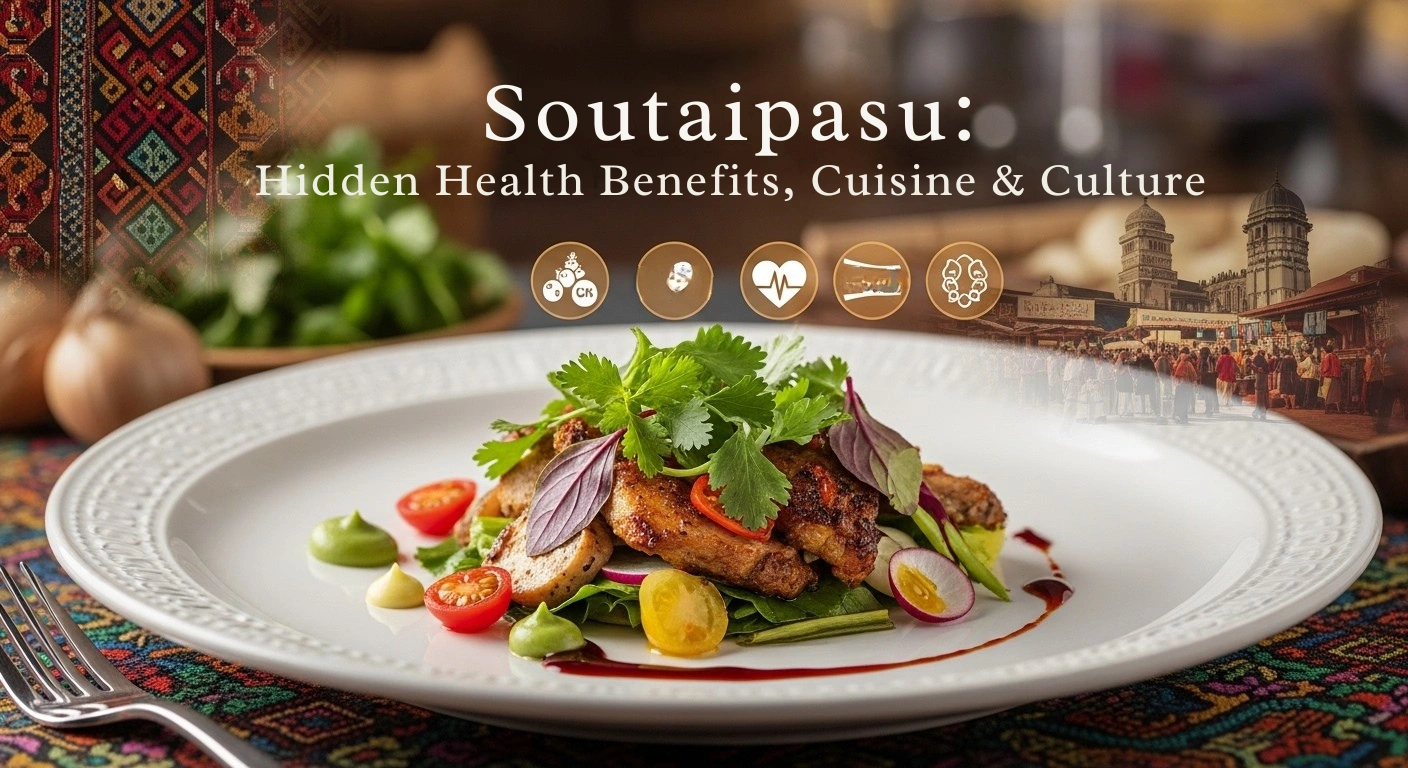
Have you ever stumbled across a dish that felt like it was telling you a story? Not just feeding you, but speaking to you through flavors, textures, and traditions passed down through hundreds of years? That’s Soutaipasu.
Soutaipasu is a heritage culinary tradition rooted in Southeast Asian and Japanese food philosophy. It’s not a single recipe it’s an entire approach to cooking, eating, and living that centers on balance, harmony, and connection.
The Deep Roots of Soutaipasu: Where It All Began
Soutaipasu didn’t pop up overnight on a trendy food blog. Its roots stretch back centuries through ancient coastal communities in Southeast Asia and South Asia.
The word itself draws from Japanese concepts “soutai” meaning relative balance and “pasu” meaning path. Some food historians also connect it to the broader idea of “soul-taste-passage,” suggesting food serves as an emotional journey.
Early communities along tropical coastlines built the foundation of Soutaipasu cooking using fresh herbs, tropical vegetables, fermented sauces, and sustainably caught fish. In mountain communities, it took a heartier form with roots, legumes, and warming spice blends.
As trade routes expanded, Soutaipasu absorbed influences from across Asia:
- Spices from India added warmth and depth
- Fermentation techniques from Korea enriched preservation and flavor
- Japanese kaiseki presentation brought meticulous plating style
- Colonization and diaspora further reshaped the dish across centuries
In Japan, Soutaipasu often appears as warming winter noodles reflecting seasonal changes. What makes this tradition special is that it was never static each generation added something new while respecting core principles. It’s a living tradition, and that’s why it resonates so deeply today.
Hidden Health Benefits of Soutaipasu
Soutaipasu isn’t just delicious it’s quietly working overtime for your body. Here are the major health benefits hiding in every bite.
Gut Health and the Power of Fermentation:
Fermented fish sauces, pickled vegetables, shrimp paste, and cultured condiments show up in almost every Soutaipasu meal. These foods are loaded with probiotics that your gut needs to function properly.
A healthy gut impacts everything your immune system, your mood, even your skin. Eating Soutaipasu-style means feeding your gut microbiome exactly what it craves.
Natural Anti-Inflammatory Properties:
Soutaipasu relies heavily on ingredients with documented anti-inflammatory effects:
- Turmeric reduces joint inflammation and chronic pain
- Ginger soothes the digestive tract and lowers oxidative stress
- Lemongrass contains citral, which fights inflammation at the cellular level
- Saffron supports cardiovascular health and reduces swelling
- Garlic boosts immune response while calming inflammation
These ingredients have been fighting chronic disease through food for centuries.
Lean Protein for Sustained Energy:
Traditional meals feature lean proteins like fish, poultry, tofu, tempeh, and legumes. This gives your body essential amino acids for muscle repair without excess saturated fat.
Fish-based dishes are especially rich in omega-3 fatty acids, supporting brain function, heart health, and joint flexibility.
High Fiber Content for Weight Management:
Fresh vegetables, legumes, and whole grains form the backbone of Soutaipasu meals. The high fiber content keeps you full longer, stabilizes blood sugar, and supports healthy digestion.
If you struggle with overeating or afternoon energy crashes, this high-fiber approach can be a genuine game changer.
Antioxidant-Rich Ingredients:
The fresh herbs and colorful vegetables in Soutaipasu are packed with antioxidants that fight oxidative stress. Those vibrant colors on your plate aren’t just pretty — they’re protecting your cells at the molecular level.
Mood Enhancement and Cognitive Clarity:
Saffron, a prized Soutaipasu ingredient, has been shown to boost mood and support cognitive clarity. Combined with anti-inflammatory spices and probiotic-rich fermented foods, Soutaipasu meals support your brain just as much as your body.
Mindful Eating for Mental Wellness:
Soutaipasu emphasizes how you eat, not just what you eat. The tradition encourages sitting down, savoring each bite, and being fully present with your food. Studies show mindful eating reduces stress, improves digestion, and helps with anxiety.
Key Ingredients That Define Soutaipasu Cuisine
What makes Soutaipasu unique is how ingredients work together to balance sweet, sour, salty, spicy, and umami in a single dish.
| Ingredient | Role in Soutaipasu | Health Benefit |
|---|---|---|
| Fresh Herbs (Cilantro, Lemongrass, Thai Basil) | Aromatic depth and freshness | Digestion support, antioxidants |
| Fermented Sauces (Fish Sauce, Miso, Shrimp Paste) | Umami and complexity | Gut health through probiotics |
| Spices (Turmeric, Ginger, Chilies) | Warmth, heat, and vibrancy | Metabolism boost, anti-inflammatory |
| Saffron | Golden hue and earthy warmth | Mood enhancement, cognitive support |
| Tamarind and Citrus | Sourness and tang | B vitamins, vitamin C, minerals |
| Rice and Noodles | Comforting staple base | Sustained energy |
| Seasonal Vegetables | Color, texture, and nutrients | Fiber, vitamins, and minerals |
| Coconut Milk | Creaminess and richness | Healthy fats for satiety |
| Legumes (Mung Beans, Lentils, Chickpeas) | Protein and heartiness | Plant-based protein, fiber-rich |
Fresh Herbs and Aromatics:
Lemongrass, cilantro, Thai basil, pandan leaves, and galangal form the aromatic backbone. They don’t just add fragrance — they carry medicinal properties valued in traditional Asian medicine for centuries.
Fermented Sauces and Pastes:
Fish sauce, miso, fermented shrimp paste, and chili pastes add depth and umami. They’re also probiotic-rich foods contributing directly to gut health.
Seasonal Vegetables:
Soutaipasu follows a strong seasonal philosophy. Cooks use whatever is freshest, naturally rotating through a wide variety of vegetables throughout the year.
Whole Grains and Legumes:
Rice, mung beans, lentils, and whole grains provide the energy foundation. Paired thoughtfully with proteins and vegetables, they create nutritionally complete dishes.
Tamarind, Saffron, and Citrus:
Tamarind delivers beautiful sourness along with B vitamins. Citrus adds vitamin C. Saffron provides earthy warmth, golden color, and mood-enhancing properties.
Traditional Cooking Techniques
The way Soutaipasu food is prepared matters just as much as the ingredients. These methods maximize both nutrition and flavor.
Slow Cooking:
Vegetables, meats, and sauces simmer over low heat for extended periods. This preserves vitamins and minerals while building incredible depth of flavor. Clay pots are traditionally used to retain moisture and create layers that metal pots can’t replicate.
Fermentation:
Before refrigerators existed, fermentation preserved food and enhanced nutrition. It creates beneficial bacteria and improves the bioavailability of nutrients in every dish.
Steaming:
Steaming keeps food light and moist while retaining nutrients that boiling washes away. Steamed dishes serve as “reset meals” — lighter plates that restore balance after heavier feasts.
Dry Roasting and Marination:
Dry roasting spices releases essential oils that deepen flavor without adding fat. Marinating proteins for hours allows spices to penetrate deeply, creating layers of taste in every bite.
Layered Seasoning:
Rather than adding all spices at once, Soutaipasu cooks season at different stages. Some spices release flavor only at low temperatures. Others need toasting first. This creates a multidimensional experience where each bite reveals something new.
Traditional Soutaipasu Recipes: What to Cook at Home
You don’t need fancy equipment just good ingredients, patience, and willingness to let flavors build.
| Recipe | Traditional Version | Modern Twist | Prep Time |
|---|---|---|---|
| Soutai Stew | Meats, seasonal veggies, spices simmered for hours | Add Thai basil, serve with sushi rice | 45 min |
| Soutaipasu Noodles | Wheat noodles in dashi broth, scallions, mushrooms, soft-boiled egg | Vegan version with miso and tofu | 30 min |
| Herb Soup | Fresh herbs in light aromatic broth | Infuse with yuzu for citrus kick | 20 min |
| Grilled Skewers | Marinated seafood with fermented glaze | Plant-based with tempeh and veggies | 30 min |
| Sticky Rice Balls | Steamed rice flour with coconut sugar filling | Fusion with chocolate or matcha | 25 min |
| Soutai Curry | Spices, veggies, meats in coconut milk | Lighter version with chickpeas and greens | 45 min |
How to Get Started:
For a simple Soutai Stew, follow these steps:
- Sauté onions and garlic in a small amount of oil
- Add chopped seasonal vegetables (bell peppers, zucchini, spinach)
- Layer your spices — turmeric and ginger first, then lemongrass and chili
- Add protein (chicken, fish, tofu, or chickpeas)
- Pour in broth or coconut milk
- Let everything simmer low and slow for 30–45 minutes
For a quick weeknight option, try Soutaipasu Noodles. Boil wheat noodles separately, prepare a dashi or miso broth with scallions and mushrooms, and top with a soft-boiled egg. Under 30 minutes, and you get that comforting umami experience the tradition is known for.
The Art of Plating: A Feast for the Eyes
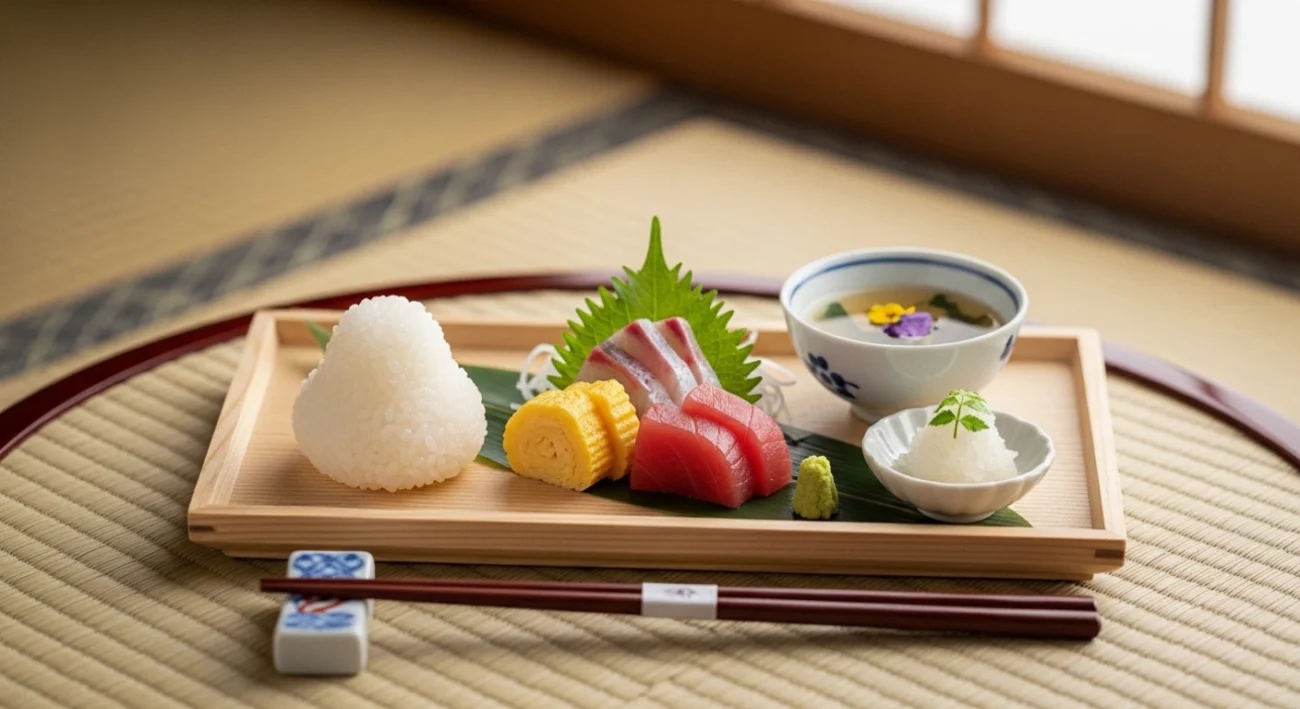
Most articles overlook this, but presentation is an essential part of Soutaipasu. It carries deep cultural meaning and elevates the entire eating experience.
Serving Traditions:
Different regions use different serving vessels, each with purpose:
- Carved banana leaves connect the meal to nature in coastal areas
- Stone slabs create rustic, earthy presentations honoring agrarian roots
- Handmade ceramic plates add warmth and artisan character
- Communal platters encourage sharing and family bonding
Plating as Symbolism:
Chefs arrange components with intention. Circular patterns symbolize cycles of life. Layered towers reflect abundance. Colors are deliberately contrasted vibrant greens against deep golds, bright reds against creamy whites.
Modern Culinary Artistry:
Contemporary chefs have pushed Soutaipasu presentation into exciting territory:
- Edible flowers add color and delicate flavor
- Gelled reductions create visual drama on the plate
- Smoke infusions bring theatrical presentation to fine dining
- Minimalist décor lets the dish’s vibrant colors take center stage
Even with modern touches, the heart remains the same engage every sense and make the meal feel special.
Soutaipasu as a Cultural Experience
Reducing Soutaipasu to its nutritional content misses the whole point. This tradition is about people, connection, and shared experience.
Communal Dining and Family Bonds:
Meals are traditionally shared from the center of the table. There’s no individual plating at home. Everyone eats together from the same spread, fostering conversation and strengthening family bonds.
Seasonal and Celebratory Meals:
Certain dishes are tied to specific seasons, harvests, or celebrations. Cooking them becomes a way of marking time and connecting to nature — something our modern lives desperately need.
Passing Down Knowledge:
Recipes are rarely written in cookbooks. They’re taught hands-on from parent to child, grandmother to grandchild. Every family’s version is slightly different, and those variations tell the story of each family’s unique history.
Soutaipasu and Sustainability
Long before “farm-to-table” became a marketing buzzword, Soutaipasu communities were living it daily.
Local and Seasonal Sourcing:
The emphasis on seasonal cooking means ingredients come from local sources at peak freshness. This reduces transportation needs, cuts food waste, and supports local farmers.
Low-Waste Cooking:
Soutaipasu wastes very little:
- Vegetable scraps become bases for broths
- Fish bones get simmered into rich stock
- Herbs past their prime are dried and ground into spice blends
- Fermentation extends the life of perishable ingredients naturally
Working with a wide variety of seasonal ingredients supports agricultural biodiversity. Instead of relying on monoculture crops, Soutaipasu encourages diverse plants, herbs, and proteins better for soil, ecosystems, and people.
How to Bring Soutaipasu Into Your Everyday Life
You don’t need to overhaul your kitchen. Start small with these practical steps:
- Add fermented foods — A spoonful of kimchi with lunch or a drizzle of fish sauce in your stir-fry adds instant Soutaipasu flavor and gut benefits
- Slow cook on weekends — Use lemongrass, ginger, and garlic as a base, add seasonal veggies and lean protein, and let it simmer for the week ahead
- Practice mindful eating — Put away your phone for one meal a day, sit down, and pay attention to every bite
- Visit Asian markets — Stock up on lemongrass, galangal, tamarind paste, fermented sauces, and fresh herbs
- Host a Soutaipasu dinner — Prepare shared dishes, eat family-style, and tell the story behind the food
- Pair drinks intentionally — Brew ginger-lemongrass tea or pour kombucha to accompany your meal
Final Thoughts
Soutaipasu is more than a meal it’s a way of reconnecting with food that actually matters. It doesn’t demand calorie counting or extreme restrictions. It simply asks you to eat with balance, cook with intention, and share with the people you care about. The health benefits are real, the flavors are unforgettable, and the cultural roots give every bite a sense of meaning you won’t find in any fad diet. Start small, stay curious, and let Soutaipasu change the way you think about your plate.