
Blog
Ponadiza: Transform Your Life with an Inspiring Lifestyle

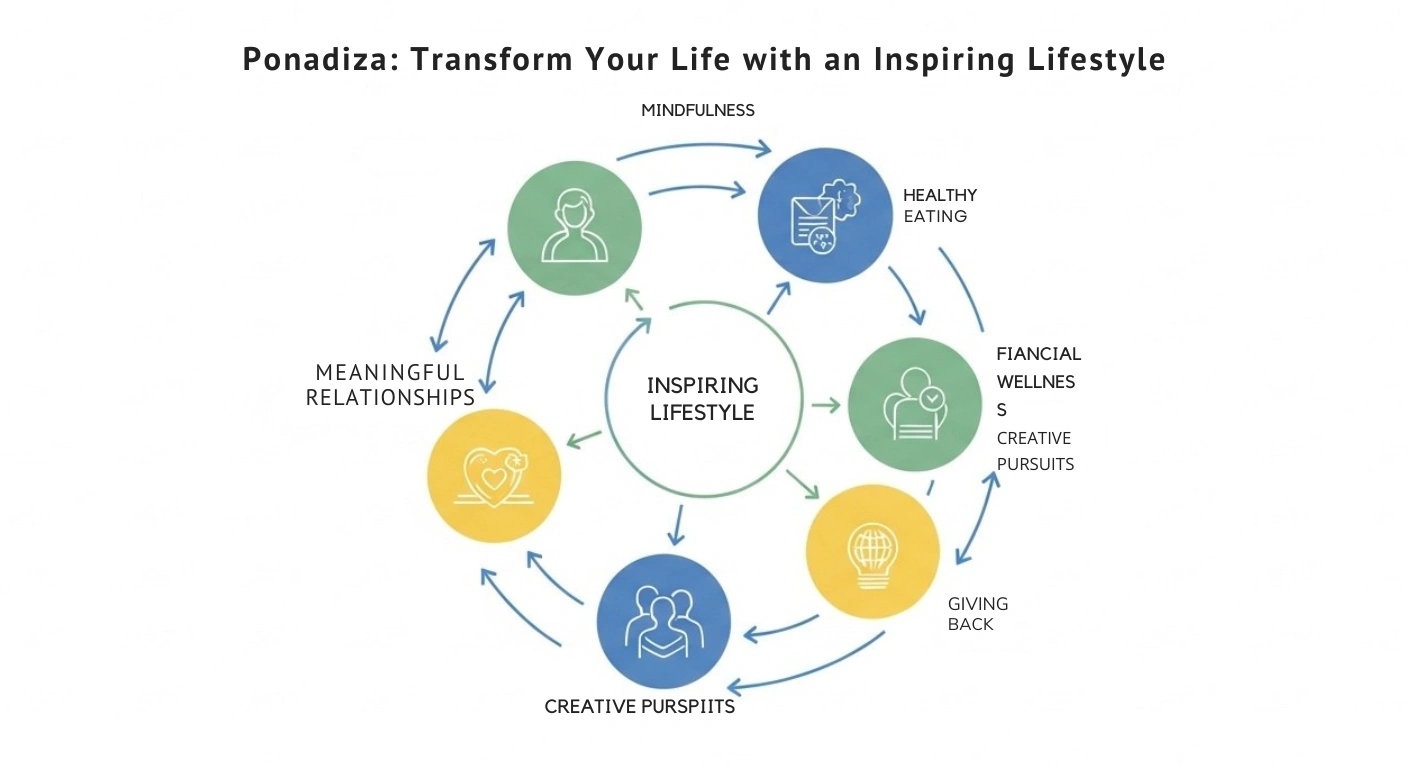
Feeling stuck in the same old routine? Ponadiza might be the fresh perspective you’ve been searching for. This lifestyle movement blends mindfulness, personal growth, and intentional living into a framework anyone can follow. Let’s break it all down.
What Is Ponadiza?
Ponadiza is a lifestyle philosophy built around one powerful idea redesigning your daily life so it feels meaningful, not just busy.
It combines mindful awareness, emotional intelligence, balanced productivity, and community connection into a personal operating system. This system helps you make better choices about your time, energy, and attention every day.
What makes it different from other wellness trends? Flexibility. Ponadiza isn’t a rigid rulebook. It adapts to your life stage, goals, and culture whether you’re a student, a working parent, an entrepreneur, or a retiree.
The Origins, Cultural Roots, and Creative History of Ponadiza
Ponadiza didn’t start as a wellness trend. Its earliest roots trace back to grassroots artistic communities where musicians, digital artists, and painters wanted a space to collaborate freely without industry gatekeeping.
The concept also connects to early 20th-century avant-garde movements. Pioneers from that era believed art should be a living dialogue, not a static gallery piece. Modern innovators expanded this by integrating technology and interactive installations.
There’s even a geographic connection. “Ponadiza” is tied to a hidden island in the Adriatic Sea — a place known for rugged limestone cliffs, pristine beaches, and untouched ecosystems. Artists and thinkers have visited this island for creative rejuvenation for decades.
Here’s something most articles miss entirely. In parts of Central America, particularly Honduras, “Ponadiza” refers to a traditional food preparation method. It involves a slow, deliberate process that emphasizes ingredient quality and communal eating. This mirrors the broader philosophy perfectly — the process matters just as much as the result.
Over time, all these threads artistic rebellion, natural beauty, culinary mindfulness, and cultural tradition wove together into the global movement we see today.
The Five Core Pillars of Ponadiza
Ponadiza becomes much easier to understand when you break it into five foundational pillars. Each one supports the others and creates a cycle of positive growth.
| Pillar | Focus Area | Daily Practice Example | Key Benefit |
|---|---|---|---|
| Mindful Awareness | Present-moment attention | Morning meditation or breathwork | Reduced anxiety and sharper focus |
| Emotional Intelligence | Understanding and managing emotions | Journaling or reflective check-ins | Stronger relationships and resilience |
| Intentional Productivity | Working smarter, not harder | Time-blocking with purpose-driven tasks | Sustainable achievement without burnout |
| Physical Vitality | Body care and movement | Active routines, nutrition planning | Increased energy and long-term health |
| Community Connection | Authentic relationships | Shared experiences and honest conversations | Reduced isolation and deeper belonging |
When you sleep better, you think more clearly. When you think clearly, your work improves. When your work improves, you free up time for relationships. That’s the Ponadiza cycle in action.
Ponadiza vs. Traditional Self-Help
Most people lump Ponadiza in with every other self-improvement system. But the differences are significant.
| Aspect | Ponadiza Lifestyle | Traditional Self-Help |
|---|---|---|
| Overall Focus | Holistic life balance | Achievement and goal-setting |
| Productivity Approach | Purpose-driven, meaningful output | Output-driven, quantity focused |
| Role of Wellness | Central pillar | Secondary or afterthought |
| Pace of Change | Sustainable, gradual growth | Fast-paced, high-pressure |
| Mindfulness | Core daily practice | Optional or surface-level |
| Community | Built into the framework | Often individualistic |
| Emotional Health | Prioritized equally with success | Rarely addressed deeply |
| Flexibility | Adapts to individual life stages | Often one-size-fits-all |
Traditional self-help starts with a massive goal and pushes you to hustle. Ponadiza starts with self-awareness and builds outward. It doesn’t ask “what do you want to achieve?” first. It asks “how do you want to feel while achieving it?”
How Ponadiza Transforms Your Morning Routine
Mornings set the tone for your entire day. Ponadiza takes this seriously — but keeps it realistic.
A typical Ponadiza morning includes:
- Five to ten minutes of quiet reflection, meditation, or deep breathing
- Setting one to three meaningful priorities instead of a massive to-do list
- Light movement like walking, stretching, or yoga to wake up the body
- Avoiding screens for at least the first 15 to 20 minutes after waking
The goal isn’t to perform an elaborate ritual. It’s to create a pocket of calm before the world starts pulling your attention in every direction.
Evening routines matter just as much. Ponadiza followers typically wind down with:
- Short reflection or gratitude journaling
- Reading a physical book instead of scrolling
- Putting devices away at least 30 minutes before sleep
- Gentle stretching or breathwork to signal rest
These bookend routines create structure that keeps your days grounded and your nights restorative.
The Role of Emotional Intelligence in Ponadiza Living
Here’s what most productivity systems completely ignore — your emotions drive roughly 90% of your decisions.
Ponadiza puts emotional intelligence front and center. Within this framework, it means three things:
- Recognizing what you’re feeling in real time instead of suppressing emotions
- Managing those emotions so they don’t hijack your decisions during stressful moments
- Using empathy to strengthen connections with people around you
In practice, this might look like a short evening journal where you note what triggered frustration and what brought unexpected joy. Over weeks, patterns emerge that help you navigate life with more grace and less reactivity.
Research consistently backs this up. People with higher emotional awareness experience lower chronic stress, maintain stronger relationships, and bounce back faster from setbacks.
Intentional Productivity: Working Smarter the Ponadiza Way
Ever ended a ten-hour workday feeling like you accomplished nothing meaningful? That’s exactly what Ponadiza’s productivity approach is designed to fix.
Instead of “work harder, stay later, respond faster,” Ponadiza focuses on meaningful output. The key practices include:
- Identifying your two or three highest-impact tasks each day
- Assigning dedicated blocks of uninterrupted time for deep work
- Treating those blocks like unmovable meetings
- Saying no to busy work that creates the illusion of productivity
- Accepting that checking email for two hours isn’t meaningful work
This technique is called “purpose-driven time blocking.” You finish your real work faster, feel genuinely accomplished, and free up time for relationships, hobbies, and rest.
The result isn’t less ambition. It’s smarter ambition.
Ponadiza and Financial Wellness
Every Ponadiza article seems to ignore this, and it makes no sense. You can’t talk about a balanced life without addressing your relationship with money. Financial stress is one of the leading causes of anxiety and relationship conflict worldwide.
Ponadiza’s philosophy naturally extends to finances through three principles:
- Intentional Spending — Before every purchase, ask yourself: does this align with my values, or am I buying from impulse, boredom, or social pressure? That one question, practiced consistently, is transformational.
- Enough Over Excess — Research shows that beyond a certain income level, more possessions don’t increase happiness. Ponadiza practitioners focus on experiences, relationships, and growth instead of accumulating things.
- Financial Calm Through Planning — Money anxiety usually comes from uncertainty. Simple habits fix this: track spending without obsessing, build a small emergency fund, and automate savings so willpower isn’t required every month.
This isn’t about becoming a finance expert. It’s about applying the same mindfulness you bring to your morning routine to how you handle money. When you do, financial stress drops dramatically.
Building Authentic Community Through Ponadiza
You can meditate perfectly and time-block like a champion. But if you’re lonely, none of it feels right.
Ponadiza recognizes that humans are wired for connection. It encourages “intentional community” — being deliberate about the relationships in your life.
The core community practices include:
- Evaluating whether your relationships lift you up or drain your energy
- Showing up authentically instead of wearing a social mask
- Doing things together — cooking, walking, creating — rather than just coexisting
- Participating in shared rituals that blend tradition with modern life
- Engaging with online Ponadiza communities for global support and encouragement
In many cultures, Ponadiza manifests as a communal experience — shared meals, creative collaborations, and group rituals that foster belonging far deeper than casual socializing.
With loneliness now recognized as a major public health concern, this social pillar is more relevant than ever.
Ponadiza and Physical Well-Being: More Than Just Exercise
Ponadiza takes a refreshingly balanced view of physical health. No extreme diets. No punishing workouts.
The philosophy covers three areas:
- Movement as celebration — Find physical activity you enjoy. If you hate running, stop running. Dance, hike, cycle, swim the key is consistency and pleasure, not punishment.
- Intuitive nutrition — Eat real food. Pay attention to how different foods make you feel. Stop obsessing over calorie counts and macro targets. Feed yourself well because you deserve it.
- Prioritizing sleep — Evening wind-down routines, digital disconnection, and a consistent sleep schedule aren’t glamorous advice but they’re the foundation of everything else working properly.
Participants often report elevated mood, increased resilience, and a stronger mind-body connection. When your body feels good, every other pillar of Ponadiza works better.
How Different People Use Ponadiza in Their Daily Lives
One of Ponadiza’s greatest strengths is adaptability. Here’s how it looks across different life situations.
Professionals and Executives:
Morning mindfulness sharpens decision-making. Intentional productivity prevents the “always on” culture. Many executives credit Ponadiza with improving their leadership skills and emotional intelligence.
Students and Young Adults:
Ponadiza helps manage academic stress, build strong habits early, and navigate identity questions with more confidence and less anxiety.
Entrepreneurs and Creatives:
The blend of structured productivity and mental fitness helps founders ride the emotional rollercoaster of building something new. Artists use Ponadiza rituals to unlock flow states and deep creative immersion.
Parents and Families:
Ponadiza emphasizes presence over multitasking. Families who adopt simplified routines together screen-free dinners, shared gratitude practices, creative activities — report stronger bonds and less household tension.
Challenges You’ll Face When Adopting Ponadiza
No lifestyle change comes without friction. Knowing the obstacles upfront helps you push through them.
- Habit Resistance — Your brain loves autopilot. Breaking old routines takes patience. Ponadiza asks for consistency, not perfection.
- Time Constraints — You don’t need hours. Five minutes of morning quiet or a two-minute gratitude check before bed is enough to start.
- Cultural Misinterpretation — Some people think slowing down means falling behind. Wrong. Ponadiza aligns ambition with well-being. You still chase big goals — sustainably.
- Commercialization Risks — As Ponadiza grows, expect watered-down branded products. Stay focused on core principles, not commercial trends.
- Ignoring Finances — Many people embrace mental and physical practices while leaving financial stress unaddressed. Don’t skip the money pillar.
The Future of the Ponadiza Movement
Ponadiza is evolving fast, and several exciting trends are already taking shape:
- Workplace integration — Companies are embedding Ponadiza principles into employee wellness programs, recognizing that rested, emotionally intelligent teams outperform burned-out ones.
- Education systems — Schools are exploring emotional intelligence and mindfulness curricula inspired by the framework.
- Digital wellness platforms — Apps are gamifying intentional living and habit tracking, making Ponadiza practices stickier and more engaging.
- Global community growth — Online networks are connecting practitioners across cultures and time zones, creating a worldwide support system.
- Redefining success — Perhaps most exciting, the movement has the potential to shift cultural definitions of success from material accumulation to meaningful living and genuine connection.
The Science Behind Why Ponadiza Works
This isn’t just feel-good philosophy. The individual components are well-supported by research.
- Mindfulness meditation reduces cortisol levels, improves attention, and decreases anxiety and depression symptoms across multiple clinical studies.
- Emotional intelligence training improves workplace performance, relationship satisfaction, and mental health according to leading psychology journals.
- Time-blocking and deep work methods outperform multitasking, as validated by organizational psychologists.
- Consistent moderate movement outperforms sporadic intense workouts for long-term health outcomes.
- Strong social connections are linked to improved mental health, increased longevity, and greater life satisfaction.
Ponadiza didn’t invent these ideas. It combined them into a single, flexible framework that’s easier to follow than piecing together advice from twenty different books. That integration is its real innovation.
Final Thought
Ponadiza isn’t about building a perfect life. It’s about showing up for the one you already have with a little more awareness, a little more purpose, and a lot more compassion for yourself and the people around you. Start small, stay consistent, and let the changes unfold naturally. That quiet, steady approach is what makes Ponadiza so powerful and so lasting.