
Blog
Low-Calorie, High-Protein Meals to Add to Your Weekly Menu

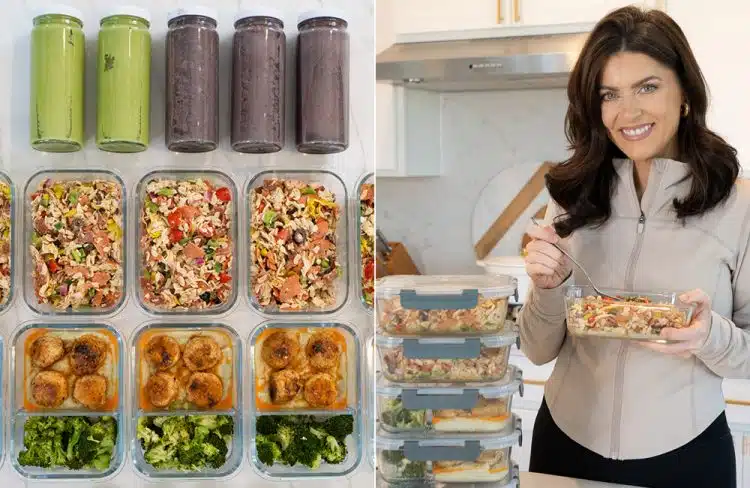
The low calories high protein meals are useful to a great number of individuals and not just athletes or bodybuilders. Such meals promote muscle wellbeing and improve appetite, besides making weight management or loss easier without being thin and fatigued. Protein is not easily digested as compared to carbs or fats and thus you are fuller longer. These meals also aid cardiac wellness and normal blood sugar when calories are controlled.
Why Low-Calorie, High-Protein Meals Matter in Daily Life

According to a registered dietitian of Academy of nutrition and dietetics, the majority of adults do not consume sufficient protein distributed evenly over the day. They instead consume little food at breakfast, and a lot more at dinner. The low calorie high protein meals correct this trend by including protein in every meal without any increment of calories.
Some of the main motivations behind people opting to have these meals are:
Satisfied with smaller meals.
Aiding muscle in the process of losing weight.
Lessening the desire to eat snacks.
Maintaining energy at a constant level.
Easing the burden of meal planning.
A small change in food choices such as choosing simple foods can be very effective over time as long as it is done weekly.
How Protein Supports Weight Control Without High Calories
Protein is thermogenic as compared to carbs or fats. This implies that your body utilizes increased energy to digest it. As meals are constructed around low-calorie protein sources, the amount of calories consumed tends to reduce without counting the calories.
Foods such as chicken breast, egg whites, fish, tofu, and Greek yogurt, lentils, and beans are usually used in low calorie and high protein diets. These are foods that are rich in nutrition in terms of calories.
Benefits of protein-focused meals include:
- Less hunger between meals
- Better muscle repair after daily activity
- Slower digestion, leading to stable energy
- Support for healthy metabolism
Examples of lean protein sources:
- Skinless poultry
- White fish like cod or tilapia
- Low-fat dairy
- Plant-based proteins like chickpeas
Eating protein regularly also helps reduce late-night snacking, which is a common reason people exceed daily calories.
Building a Balanced Plate With Low Calories and High Protein

A good low calorie high protein meal is not just protein alone. It includes fiber-rich vegetables, small amounts of healthy fats, and enough carbs to support daily tasks.
A balanced plate usually includes:
- One lean protein source
- Half a plate of vegetables
- A small serving of whole grains or legumes
- Minimal added oils or sauces
This approach avoids boredom and keeps meals enjoyable while staying calorie-aware.
Smart plate-building tips:
- Use grilling, baking, steaming, or air frying
- Measure oils with a spoon instead of pouring
- Choose herbs, spices, lemon, or vinegar for flavor
- Focus on volume foods like leafy greens
This style of eating works well for busy schedules and family meals.
Light and Protein-Rich Breakfast Ideas.
Breakfast is usually very sugary and low in protein. Appetite can be transformed throughout the day by switching to low calorie high protein meals in the morning.
Breakfasts, which are high in proteins, aid in mid-morning hunger and better concentration.
- Egg white vegetable omelet
- Greek yogurt with berries
- Cottage cheese with sliced cucumber
- Protein oatmeal made with egg whites
A sports nutrition researcher notes that eating at least 20–30 grams of protein at breakfast improves appetite control throughout the day.
- Egg whites + spinach + mushrooms
- Non-fat Greek yogurt + cinnamon + strawberries
- Tofu scramble with peppers and onions
These meals are easy to prepare and fit into tight mornings.
Easy Lunch Meals Which retain calories Low.
Lunch may be a challenge because of takeout and big portions. Lunch meals with low calories and high levels of protein can prevent fatigue in the afternoon.
Good lunch meals emphasize on lean protein and fiber.
Light dressing chicken salad grilled.
Tuna lettuce wraps
Lentil and vegetable soup
Turkey and veggie bowl
Batch prepped protein.
Where possible, use greens in place of bread.
Light lunches do not make one feel sluggish but they give sufficient energy.
Filling and yet not overeating Dinner Meals.
It is also dinner time, which is usually the biggest meal of the day. Striking it protein-based prevents the number of calories consumed and yet one feels fulfilled.
Dinner time low calorie high protein food usually involves baked or grilled high protein and cooked vegetables.
Dinner ideas include:
Salmon baked and broccoli roasted.
Stir-fried tofu and stir-fried mixed vegetables.
Zucchini-lean beef skillet.
Cauliflower rice, shrimp.
Helpful dinner habits:
Serve food on smaller plates
Take your time in eating, pace yourself.
Do not use heavy sauces and cheese.
Dinner protein also assists the repair of the muscles at night.
Snack Choices That Add Protein Without Extra Calories

Snacks can either support or harm progress. Protein-based snacks help control hunger between meals.
Low calorie high protein snack ideas:
- Hard-boiled egg whites
- Low-fat cottage cheese
- Protein shake with water
- Roasted chickpeas
Snack planning tips:
- Keep protein snacks visible
- Pair protein with fiber when possible
- Avoid sugary protein bars
Even small protein snacks can prevent overeating later.
Weekly Meal Prep Strategies That Save Time
Planning low calorie high protein meals ahead of time makes consistency easier.
Meal prep steps that work:
- Choose two protein sources per week
- Cook vegetables in bulk
- Store meals in clear containers
- Rotate spices to avoid boredom
Helpful prep ideas:
- Bake chicken breasts on Sunday
- Cook a large pot of lentils
- Chop vegetables in advance
Meal prep reduces stress and supports better food choices.
Lean Protein Foods and Their Benefits
| Protein Source | Calories (Approx.) | Protein Content | Key Benefit |
|---|---|---|---|
| Chicken breast | 120 per 100g | 22g | High protein, low fat |
| Egg whites | 50 per cup | 11g | Low calorie, easy to cook |
| Greek yogurt (non-fat) | 90 per cup | 17g | Supports gut health |
| Lentils | 115 per cup | 9g | High fiber and protein |
| Tofu | 80 per 100g | 10g | Plant-based option |
This table shows how protein-rich foods can fit into low-calorie plans.
Using Vegetables to Increase Meal Size Without Calories

Vegetables add volume, fiber, and nutrients without many calories. They are key to low calorie high protein meals.
Vegetables that work well:
- Spinach
- Zucchini
- Cauliflower
- Bell peppers
- Cabbage
Ways to use vegetables:
- Add them to omelets
- Blend into soups
- Use as rice substitutes
- Roast with spices
Eating more vegetables supports digestion and heart health.
Cooking Methods That Keep Calories Low
How food is cooked matters as much as what food is chosen.
Best low-calorie cooking methods:
- Grilling
- Baking
- Steaming
- Air frying
- Boiling
Methods to limit:
- Deep frying
- Heavy sautéing in oil
- Cream-based cooking
Simple changes in cooking style can reduce hundreds of calories per week.
Cooking Methods and Calorie Impact
| Cooking Method | Added Calories | Best Used For |
|---|---|---|
| Grilling | Very low | Meat, fish, vegetables |
| Baking | Low | Chicken, tofu, fish |
| Steaming | None | Vegetables, fish |
| Air frying | Low | Potatoes, proteins |
| Pan frying | High | Best limited |
This comparison helps with better cooking choices.
Plant Based Low-Calorie, High-Protein Meal Options
Plant-based eating can still meet protein needs when planned well.
Plant-based protein foods:
- Lentils
- Chickpeas
- Tofu
- Tempeh
- Edamame
Plant-based meal ideas:
- Lentil vegetable stew
- Tofu stir-fry
- Chickpea salad
- Tempeh lettuce wraps
Combining plant proteins with vegetables improves fullness and nutrition.
Common Mistakes That Raise Calories Without Notice

Even healthy meals can become high-calorie if certain habits continue.
Common mistakes:
- Overusing oils
- Adding sugary sauces
- Eating large portions of nuts
- Drinking calories
How to avoid them:
- Measure oils
- Use herbs and spices
- Keep snacks portioned
- Drink water or unsweetened tea
Awareness helps keep meals on track.
The ways These Meals Are beneficial to Long-Term Health.
The lower-calorie protein rich meals aid beyond weight control.
Health benefits include:
Increased muscle strength in old age.
Better control of blood sugar.
Reduced risk of overeating
Support for bone health
Clinical nutrition study reveals that the increased protein diet is effective in conserving lean mass in reducing calorie intake particularly among adults over 40.
Perfection is lesser than long-term consistency.
Making Low-Calorie, High-Protein Eating a Habit
Habits form through repetition, not strict rules.
Ways to build lasting habits:
- Repeat favorite meals weekly
- Keep ingredients simple
- Allow flexibility
- Focus on progress, not perfection
Over time, these meals become normal rather than restrictive.
Final Thoughts
Low calorie high protein meals are an easy way of eating better without being restricted. They promote fullness, strength and constant energy. These meals are realistic in life with simple planning, resourceful cooking, and full plate portion.
Begin with minor modifications, including including more protein in breakfast or changing the cooking process. These decisions accumulate in weeks. A protein and vegetable-based menu to be created weekly can help in achieving health objectives and still taste good.
Research References Academic
Leidy, H. J., Carnell, N. S., Mattes, R. D., & Campbell, W. W. (2007). Higher protein intake preserves lean mass and satiety with weight loss in pre-obese and obese women. Obesity (Silver Spring), 15(2), 421–429.
Weigle, D. S., Breen, P. A., Matthys, C. C., Callahan, H. S., Meeuws, K. E., Burden, V. R., & Purnell, J. Q. (2005). A high-protein diet induces sustained reductions in appetite, ad libitum caloric intake, and body weight. American Journal of Clinical Nutrition, 82(1), 41–48.
Leidy, H. J., Ortinau, L. C., Douglas, S. M., & Hoertel, H. A. (2013). Beneficial effects of a higher-protein breakfast on the appetitive, hormonal, and neural signals controlling energy intake in overweight/obese young women. American Journal of Clinical Nutrition, 97(4), 677–688.
Paddon-Jones, D., Westman, E., Mattes, R. D., Wolfe, R. R., Astrup, A., & Westerterp-Plantenga, M. (2008). Protein, weight management, and satiety. American Journal of Clinical Nutrition, 87(5), 1558S–1561S.
Skov, A. R., Toubro, S., Rønn, B., Holm, L., & Astrup, A. (1999). Randomized trial on protein vs carbohydrate in an ad libitum fat-reduced diet for the treatment of obesity. International Journal of Obesity and Related Metabolic Disorders, 23(5), 528–536.
Martens, E. A., Lemmens, S. G., & Westerterp-Plantenga, M. S. (2013). Protein leverage affects energy intake of high-protein diets in humans. American Journal of Clinical Nutrition, 97(1), 86–93.
Westerterp-Plantenga, M. S., Lejeune, M. P., & Kovacs, E. M. R. (2004). Body weight loss and weight maintenance in relation to habitual caffeine intake and green tea supplementation. British Journal of Nutrition, 91(4), 627–631.
Frestedt, J. L., Zenk, J. L., Kuskowski, M. A., Ward, E., & Bastian, E. (2008). A whey-protein supplement increases fat loss and spares lean muscle in obese subjects: A randomized human clinical study. Nutrition & Metabolism, 5, 8.
Wycherley, T. P., Moran, L. J., Clifton, P. M., Noakes, M., & Brinkworth, G. D. (2012). Effects of energy-restricted high-protein, low-fat compared with standard-protein, low-fat diets: A meta-analysis of randomized controlled trials. American Journal of Clinical Nutrition, 96(6), 1281–1298.
Layman, D. K., Evans, E., Baum, J. I., Seyler, J., Erickson, D. J., & Boileau, R. A. (2005). Dietary protein and exercise have additive effects on body composition during weight loss in adult women. Journal of Nutrition, 135(8), 1903–1910.