
Blog
Hair Transplant Cost: Expert Insights to Help You Decide


Hair transplant Cost pricing varies widely, and it’s largely shaped by factors like the number of grafts required, the technique you choose, the hair transplant surgeon’s experience, and even where the clinic is located. Experts consistently emphasize that quality should come first choosing a highly skilled, reputable surgeon is far more important than chasing the lowest price. A bargain procedure can cost you much more in the long run if it needs to be corrected.
When considering a hair restoration procedure, the financial investment often becomes the deciding factor for many people. The price range can stretch from a few thousand dollars to over twenty thousand, leaving potential patients confused about what represents fair value. This guide breaks down everything you need to know about hair transplant pricing, hidden expenses, and how to determine if the investment makes sense for your situation.
Whether you’re experiencing early thinning or advanced baldness, knowing the true cost structure helps you budget appropriately and avoid clinics that might compromise quality for lower prices. Let’s explore what really determines hair transplant expenses and how to get the best results for your money.
The Real Numbers Behind Hair Transplant Procedures
When people first ask about hair transplant costs, they usually want a simple answer. Unfortunately, it’s never that straightforward. The reality is that prices can range anywhere from $3,000 to $20,000 or even more.
Most clinics in the United States charge between $4,000 and $15,000 for a typical procedure. If you’re seeing prices significantly below this range, you should start asking questions. Extremely low prices often mean corners are being cut somewhere.
The pricing structure itself can vary quite a bit too. Some clinics charge per graft, which typically ranges from $3 to $8 per graft. Others offer flat-rate packages based on the extent of your hair loss. Both pricing models can work in your favor depending on your specific situation.
What Actually Influences How Much You’ll Pay
The surgeon’s experience and reputation play a massive role in pricing. A board-certified surgeon who’s been performing hair transplants for twenty years will charge more than someone fresh out of training. And honestly, this is one area where paying more often makes sense. Geographic location matters more than you might think. A hair transplant in New York City or Los Angeles will almost always cost more than the same procedure in a smaller city. This isn’t because big-city surgeons are greedier. It’s basic economics: overhead costs and rent are higher in major metropolitan areas.
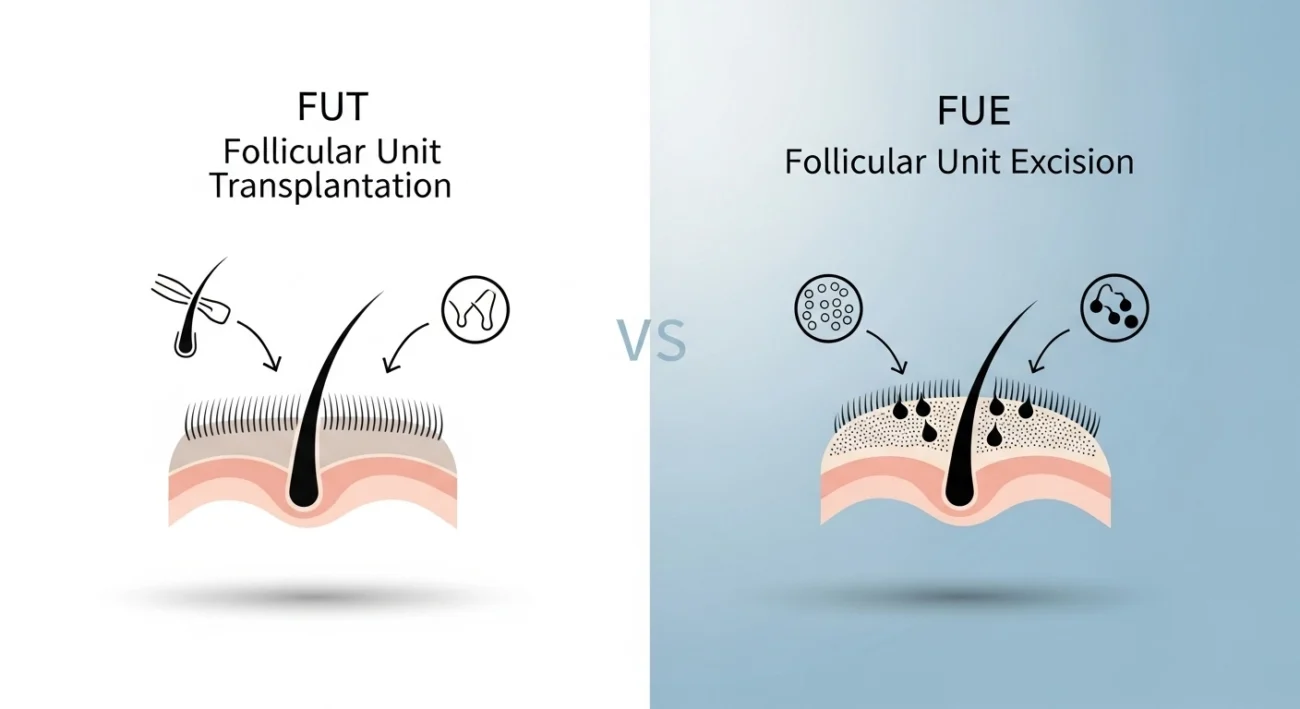
The technique used for your transplant significantly impacts the final bill. There are two main methods: Follicular Unit Transplantation (FUT) and Follicular Unit Extraction (FUE). FUE generally costs more because it’s more time-intensive and requires specialized health equipment. However, it also leaves less visible scarring, which many people consider worth the extra expense. The extent of your hair loss determines how many grafts you’ll need. Someone with minor temple recession might need 1,000 to 1,500 grafts, while someone with more advanced hair loss could require 3,000 grafts or more. This is why you can’t really compare your quote to someone else’s.
Breaking Down What’s Actually Included in the Price
When you receive a quote for a hair transplant, you need to understand exactly what that number covers. A comprehensive price should include the initial consultation, the surgical procedure itself, anesthesia, post-operative care instructions, and at least one follow-up appointment. However, not all quotes are created equal. Some clinics advertise attractive base prices but then add on fees for things you assumed were included. You might find yourself paying extra for the consultation, follow-up visits, or special shampoos and treatments needed after the procedure.
The pre-operative bloodwork and medical evaluations might or might not be included in your quote. These tests ensure you’re healthy hair enough for the procedure. If they’re not included, factor in an additional few hundred dollars for these necessary tests.
The Hidden Costs Nobody Talks About
Travel expenses can add significantly to your total investment, especially if you’re going to a clinic in another city or state. You’ll need accommodation for at least a few days after the procedure because you shouldn’t fly or drive long distances immediately afterward.
Time off work is a real cost that many people overlook. Most patients need at least a week away from work. Calculate your lost wages or the vacation days you’ll need to use when considering the true cost of the procedure.
Medications and special hair care products prescribed for after the surgery usually aren’t included in the surgical quote. You’ll likely need special shampoos, antibiotics, pain medications, and possibly other treatments. Budget a few hundred dollars for these items.
Some people need a second procedure to achieve their desired density or to address continued hair loss in other areas. Hair loss is progressive, and as you age, you might lose more of your natural hair while the transplanted hair remains.
Comparing Domestic Versus International Options
Medical tourism for hair transplants has exploded in recent years, with countries like Turkey, Mexico, and India offering procedures at a fraction of US prices. You can find seemingly legitimate clinics advertising full hair transplants for $2,000 to $4,000, including accommodation.
However, this decision requires careful consideration beyond just the price difference. The lower costs in these countries reflect different economic conditions and lower overhead. This doesn’t automatically mean lower quality, but it does require thorough research.
The biggest risk with international procedures isn’t necessarily the surgery itself but what happens if you experience complications after you return home. Finding a local surgeon willing to help with issues that arose from someone else’s work can be difficult and expensive.
Red Flags That Should Make You Walk Away
When a price seems too good to be true, it usually is. Extremely low quotes compared to the market average should trigger skepticism, not excitement. Ask yourself what’s being cut to offer such low prices. Pressure tactics are another major red flag. Reputable surgeons give you time to think about your decision and never push you to book immediately with threats of expiring discounts. If someone is pressuring you to commit on the spot, walk away. Vague or incomplete information about what’s included in the quoted price should concern you. A legitimate clinic provides detailed breakdowns of what you’re paying for and answers all your questions clearly.
Making the Decision That’s Right for You
The cost of a hair transplant represents a significant investment, and it’s natural to feel hesitant. But when you’re evaluating whether it’s worth it, consider the long-term value. Unlike temporary solutions that require ongoing purchases, a successful hair transplant is permanent. Think about how much you currently spend on temporary fixes. Hair fibers, special shampoos, and scalp treatments add up over years. Calculate what you’re already investing in hiding or treating your hair loss. Start by scheduling consultations with multiple surgeons. Most initial consultations are free or low-cost, and they give you a chance to compare not just prices but also approaches and comfort level. Ask lots of questions and don’t feel pressured to decide during the consultation.
FAQ’s
Q1. How much does a typical hair transplant cost in the United States?
Most hair transplant procedures in the US range from $4,000 to $15,000, depending on the extent of hair loss and the technique used. The average patient needing 2,000 to 2,500 grafts can expect to pay around $10,000 to $12,000.
Q2. Does health insurance cover hair transplant procedures?
Generally, no. Health insurance companies classify hair transplants as cosmetic procedures and don’t provide coverage. The exception would be if your hair loss resulted from a medical condition, injury, or burn.
Q3. Are cheaper international hair transplants worth considering?
International options can provide significant cost savings, sometimes 50-70% less than US prices. However, you need to research thoroughly and consider travel costs, potential language barriers, and limited recourse if complications arise after you return home.
Q4. What’s the difference in cost between FUT and FUE techniques?
FUE typically costs 20-30% more than FUT because it’s more time-intensive and requires specialized health equipment. However, FUE leaves minimal scarring and has a shorter recovery time, which many patients consider worth the additional cost.
Q5. Can I finance my hair transplant procedure?
Yes, many clinics offer financing options through medical financing companies. These payment plans let you spread the cost over several months or years. Some patients also use personal loans or credit cards to finance their procedures.
Bottom Line
Deciding to get a hair transplant involves weighing financial considerations against potential life improvements. The cost is substantial, but for many people, the investment delivers returns that go beyond just having more hair. Don’t rush your decision based solely on price. The cheapest option rarely provides the best value, and the most expensive doesn’t guarantee superior results. Focus on finding a qualified, experienced surgeon who makes you feel comfortable and confident. Remember that this is your decision and your investment. Take your time researching, ask all your questions, and don’t let anyone pressure you into committing before you’re ready. A hair transplant done right can be life-changing, but only if you approach the decision with realistic expectations and thorough preparation.