
Blog
Goals of Rehabilitative Care
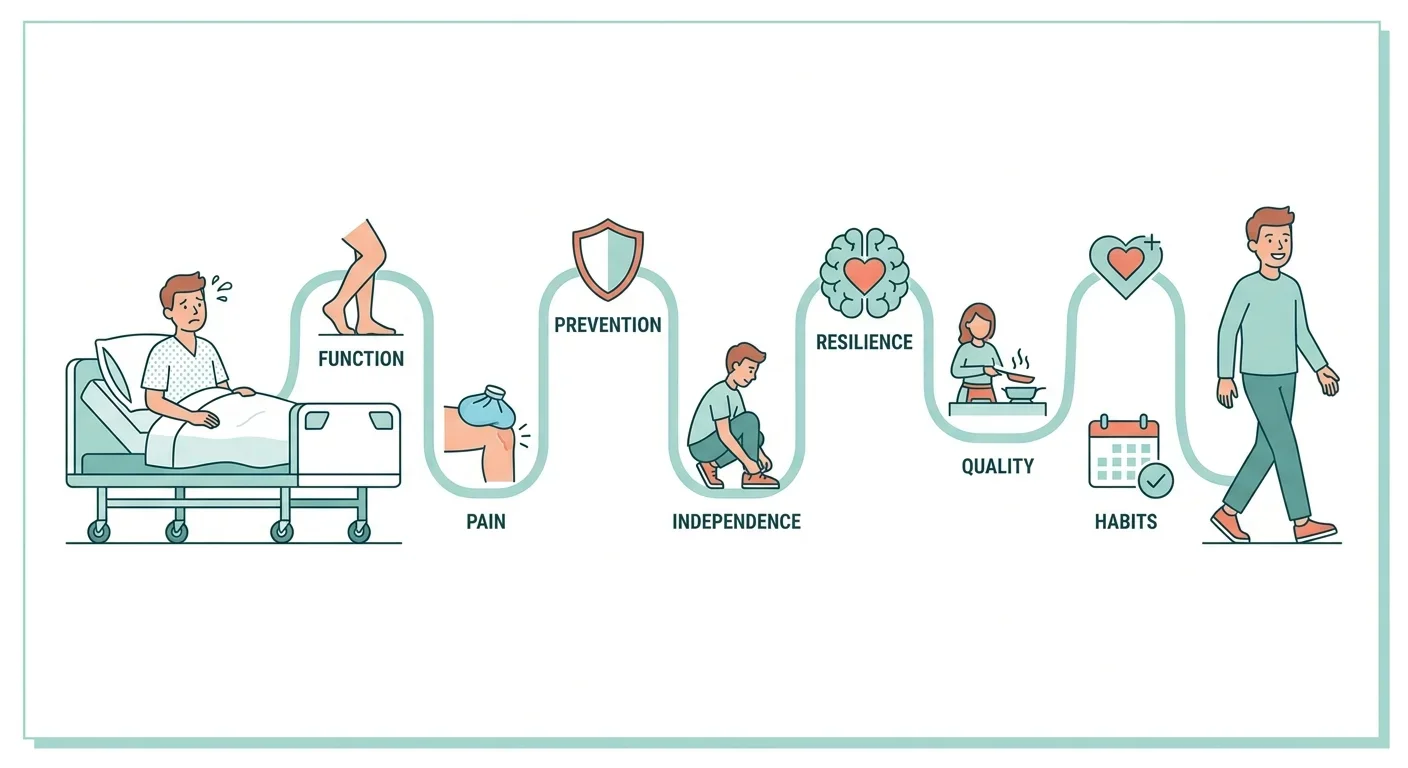
Rehabilitative care isn’t a quick fix, and nobody prepares you for that. You think you’ll have surgery, do some exercises, bounce back. Then reality hits. Recovery is slow. Some days feel like starting over.
But that’s exactly why rehab exists. It’s how you get back what injury or illness stole, whether that’s walking unassisted or just holding a fork without your hand shaking. The World Health Organization considers it an essential health service, not some optional extra.
Here’s the thing though: your rehab goals aren’t someone else’s. A 30-year-old athlete with a torn ACL and a grandmother recovering from a hip fracture? Completely different finish lines. It all depends on your body, your condition, and what kind of health and wellness life you’re fighting to get back to.
What Rehabilitative Care Actually Is
Rehabilitative care is medical treatment designed to help someone regain abilities they lost whether from surgery, injury, illness, or a condition that slowly chipped away at what they could do.
It pulls together physical therapy, occupational therapy, speech therapy, sometimes psychology, depending on what the person actually needs.
The World Health Organization classifies rehabilitation as an essential health service, right alongside preventive and curative care which tells you it’s not some optional add-on doctors mention on your way out the door.
A lot of people confuse it with recovery. They’re not the same thing. Recovery is what your body does on its own cells healing, swelling going down. Rehab is the work you put in to make sure that healing actually translates into function. You can recover from a stroke and still not be able to button a shirt. That’s the gap rehab exists to close.
1. Restoring Physical Function
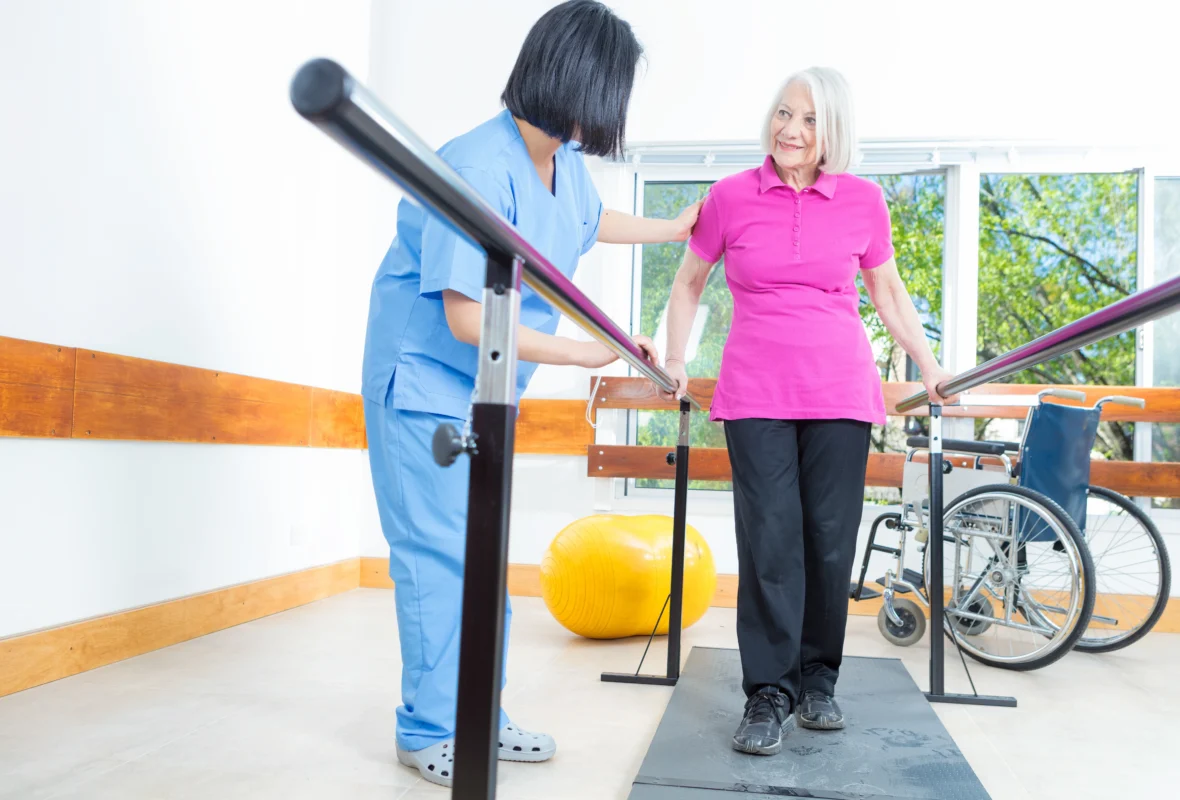
Movement, that’s where everyone’s head goes first. And fair enough. Muscles start wasting away within days of being immobile. Not weeks. Days. Rehab’s job is waking them back up before the window narrows.
- A stroke survivor might spend weeks practicing steps in a harness, retraining a brain that forgot how balance works.
- Can you climb stairs after knee replacement? That’s the exact kind of question rehab answers, not in theory, in practice.
- Sometimes the win is just standing up without grabbing something. Doesn’t sound like much until you couldn’t do it yesterday.
2. Reducing Pain and Discomfort
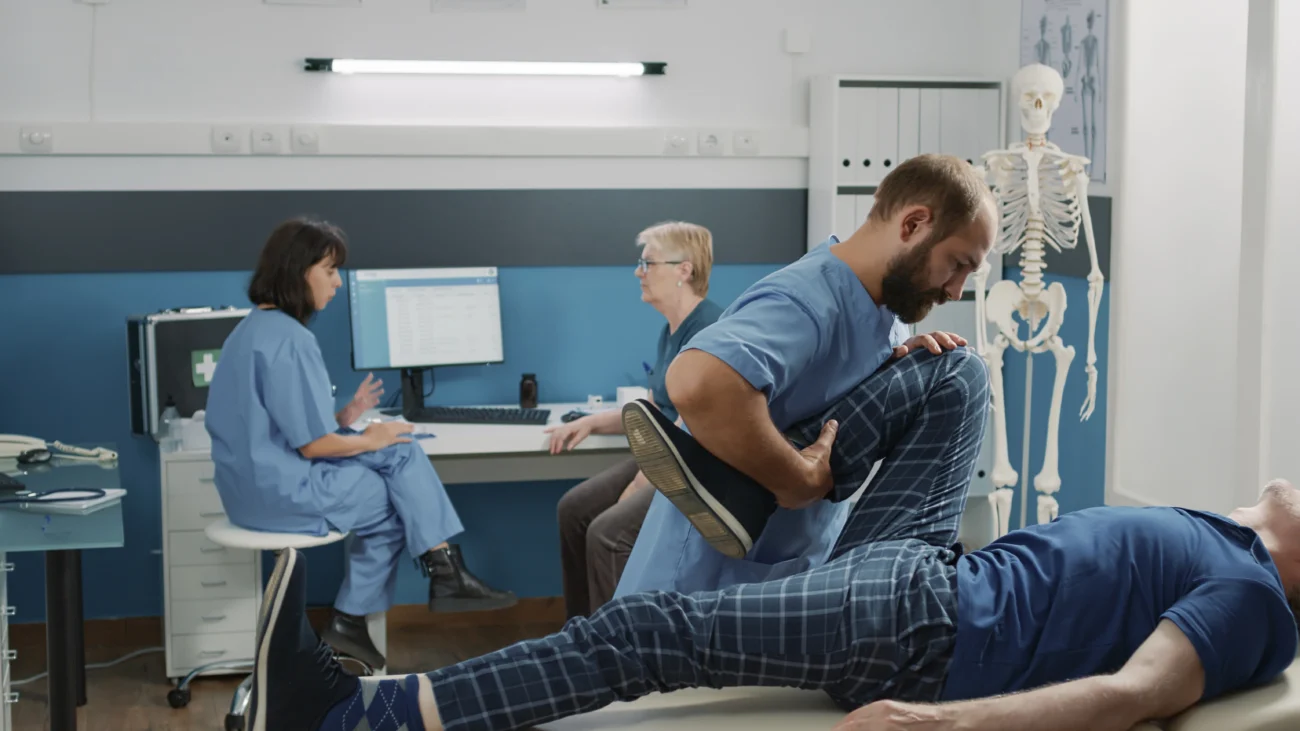
Pain’s a tricky beast. Too much of it, and you stop moving. Stop moving, and recovery slows to a crawl. Good rehab finds ways to manage pain without turning to pills all the time. That might mean:
- Heat pads on stiff joints.
- Cold packs for swelling.
- Gentle water therapy.
- A therapist guiding slow stretches that loosen things up.
3. Preventing Further Complications
Stay in bed too long and new problems show up uninvited. Bedsores. Joints that stiffen until they barely bend. Blood clots nobody saw coming. Your lungs start underperforming too because they’re not fully expanding when you’re lying flat all day. Rehab pushes just enough movement to keep all of that from piling on, ankle pumps in bed, rolling over on a schedule, sitting upright a little longer each day. None of it looks impressive. But ask anyone who developed pneumonia during recovery because they weren’t moving enough. The boring stuff matters.
4. Finding Independence Again
This is the one that keeps people going when everything else feels pointless. Independence. Maybe it’s getting dressed without calling someone. Maybe it’s driving to the grocery store alone for the first time in months. Therapists know you can’t jump straight there, so they break it down, buttons before shirts, standing before walking, short trips before long ones. Progress is slow enough that you barely notice it day to day. Then one morning you tie your shoes without thinking about it, and it hits you. That’s what all of this was for.
5. Taking Care of the Mind Too
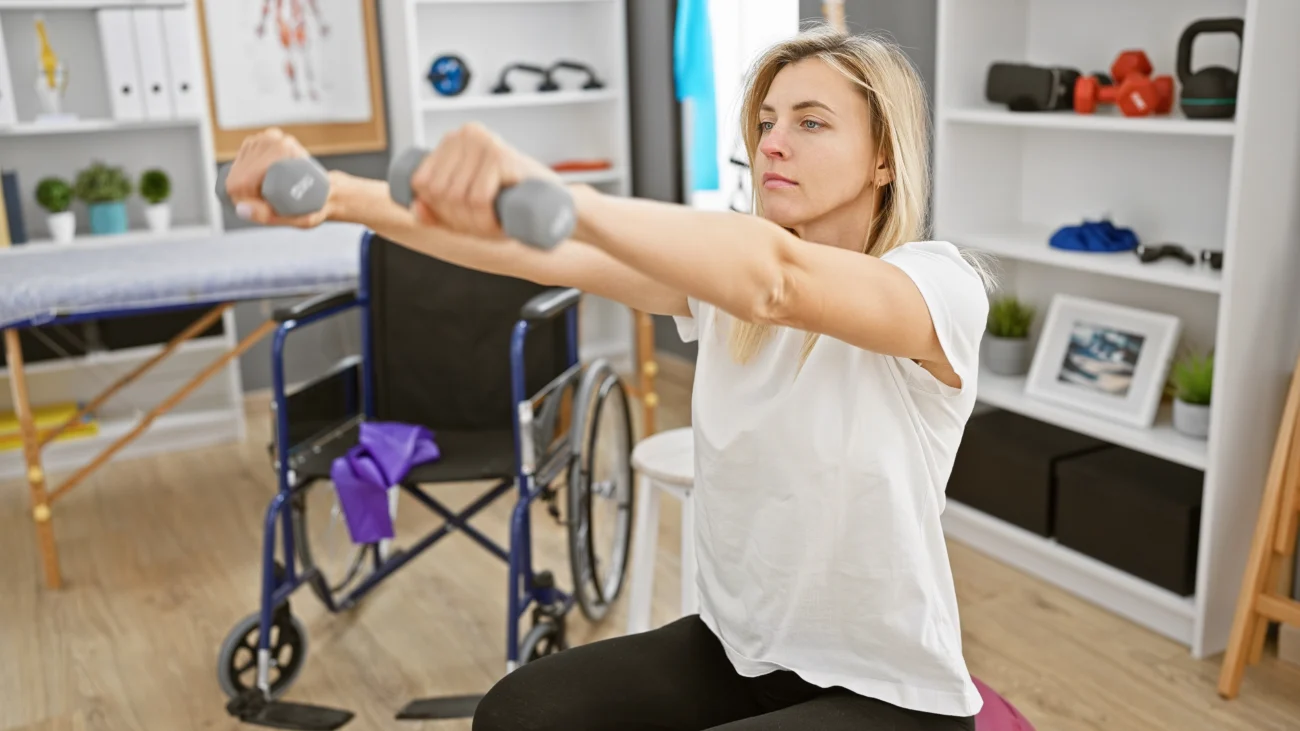
No one talks about this enough. Injury and illness mess with your head. You get frustrated, anxious, sometimes downright depressed. Rehab programs that work well always have space for the mental side, counseling, group support, or just honest conversations about how much this sucks and how to deal with it.
6. Making Life Livable, Not Perfect
Not every condition gets “fixed.” And that’s okay. Sometimes the point is comfort and quality. A person with multiple sclerosis might learn how to spread out their energy through the day. A cancer survivor might get tools to deal with crushing fatigue. It’s about carving out a life that still feels good, even with limits.
7. Building Habits for the Long Haul
The job isn’t done when therapy sessions end. The real test is sticking with the routines, exercises at home, lifestyle tweaks, follow-up appointments. The idea is to avoid backsliding into old problems or ending up with new ones. Think of it as future-proofing the body.
Takeaway
Nobody’s going to sugarcoat this, rehab is hard, slow, and some days feel pointless. But every single goal we just covered? They all point the same direction. Getting you back in control. Not perfect. Just in control. If you’re at the start of this, or watching someone you love go through it, do one thing: ask the care team to lay out specific goals now. Not vague “we’ll see how it goes” stuff. Actual targets. It won’t make the process easier, but it’ll make it less confusing, and right now, that probably matters more than you think.