Blog
Fungal Acne vs Hormonal Acne and Causes, Treatments & Skin Solutions

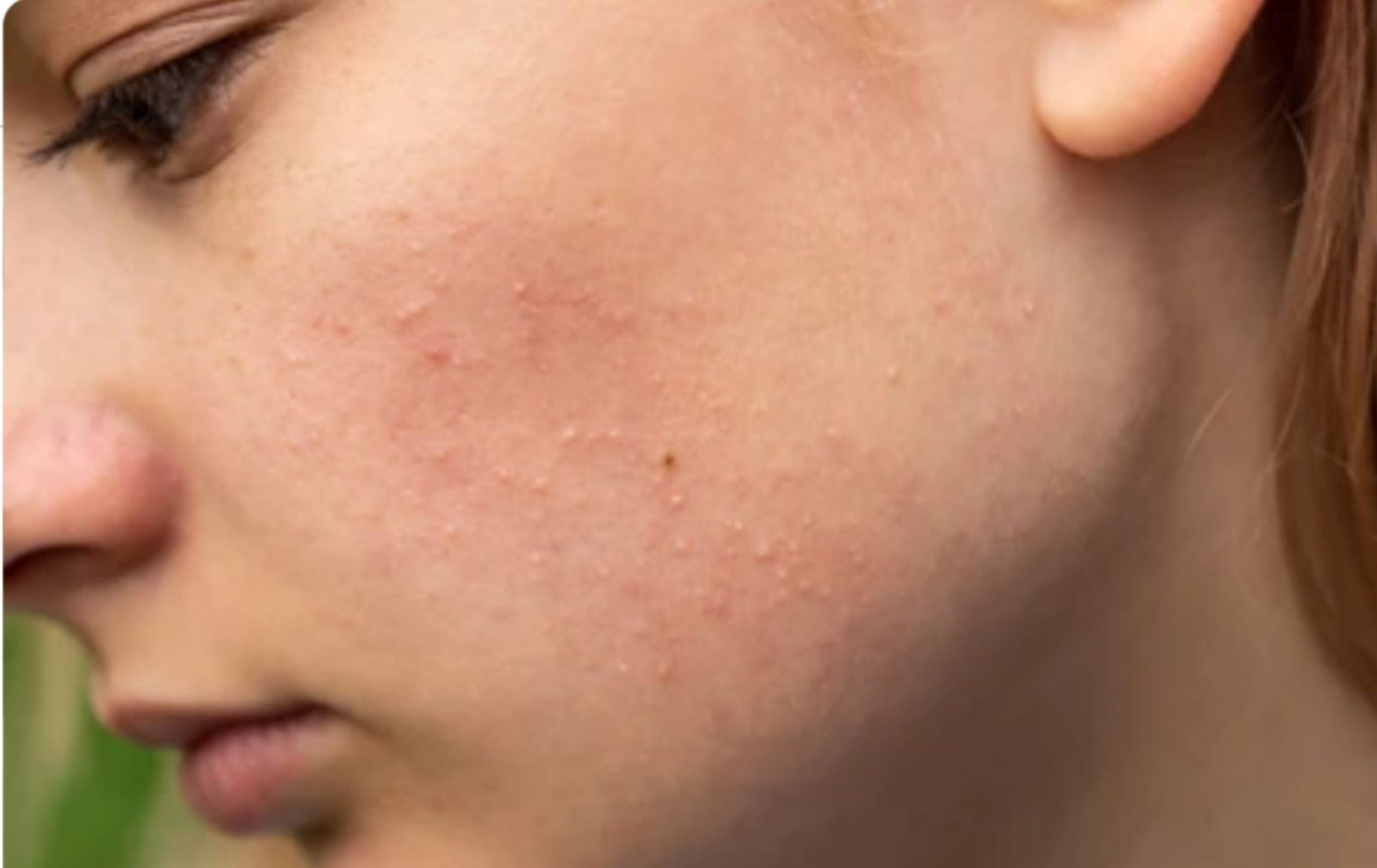
Acne is one of the most common skin concerns worldwide, yet not all acne is the same. Many people struggle for years using the wrong products because they misidentify their skin condition. Two of the most commonly confused types are fungal acne and hormonal acne. Although they may look similar on the surface, their causes, triggers, and treatments are completely different.
Why Correct Diagnosis Matters
Acne is not a one-size-fits-all condition. Treating fungal acne with typical acne products can worsen it, while ignoring hormonal imbalances may lead to recurring breakouts. Many people experience frustration because they treat symptoms instead of addressing the root cause.
By learning to recognize whether your acne is fungal or hormonal, you can:
- Choose the right skincare products
- Avoid unnecessary irritation
- Improve treatment results
- Achieve long-term skin clarity
What Is Fungal Acne?
Fungal acne, medically known as Malassezia folliculitis, is not true acne. It is a yeast-related condition caused by an overgrowth of Malassezia, a naturally occurring fungus on the skin.
Causes of Fungal Acne
Fungal acne develops when the skin environment allows yeast to multiply excessively. Common triggers include:
- Excessive sweating and humidity
- Wearing tight or non-breathable clothing
- Overuse of antibiotics
- Oily skin and clogged pores
- Heavy, pore-clogging skincare products
This type of acne thrives in warm, moist conditions, making it common in hot climates or during summer months.
Symptoms and Appearance of Fungal Acne
Fungal acne has distinct characteristics that set it apart from other acne types:
- Small, uniform bumps (often same size)
- Itchy or slightly irritated feeling
- Clusters of white or skin-colored bumps
- Commonly appears on the forehead, chest, back, shoulders, and upper arms
- Does not respond to traditional acne treatments
A key sign is itchiness, which is uncommon in regular acne.
What Is Hormonal Acne?
Hormonal acne occurs due to fluctuations in hormones—particularly androgens—that increase oil production and clog pores. It is especially common among women but can affect all genders.
Causes of Hormonal Acne
Hormonal acne is influenced by internal factors, including:
- Menstrual cycles
- Polycystic ovary syndrome (PCOS)
- Pregnancy or postpartum changes
- Menopause
- Stress and cortisol imbalance
- Hormonal birth control or stopping it
These hormonal shifts stimulate excess sebum production, creating an environment for bacteria and inflammation.
Symptoms and Appearance of Hormonal Acne
Hormonal acne looks and behaves differently from fungal acne:
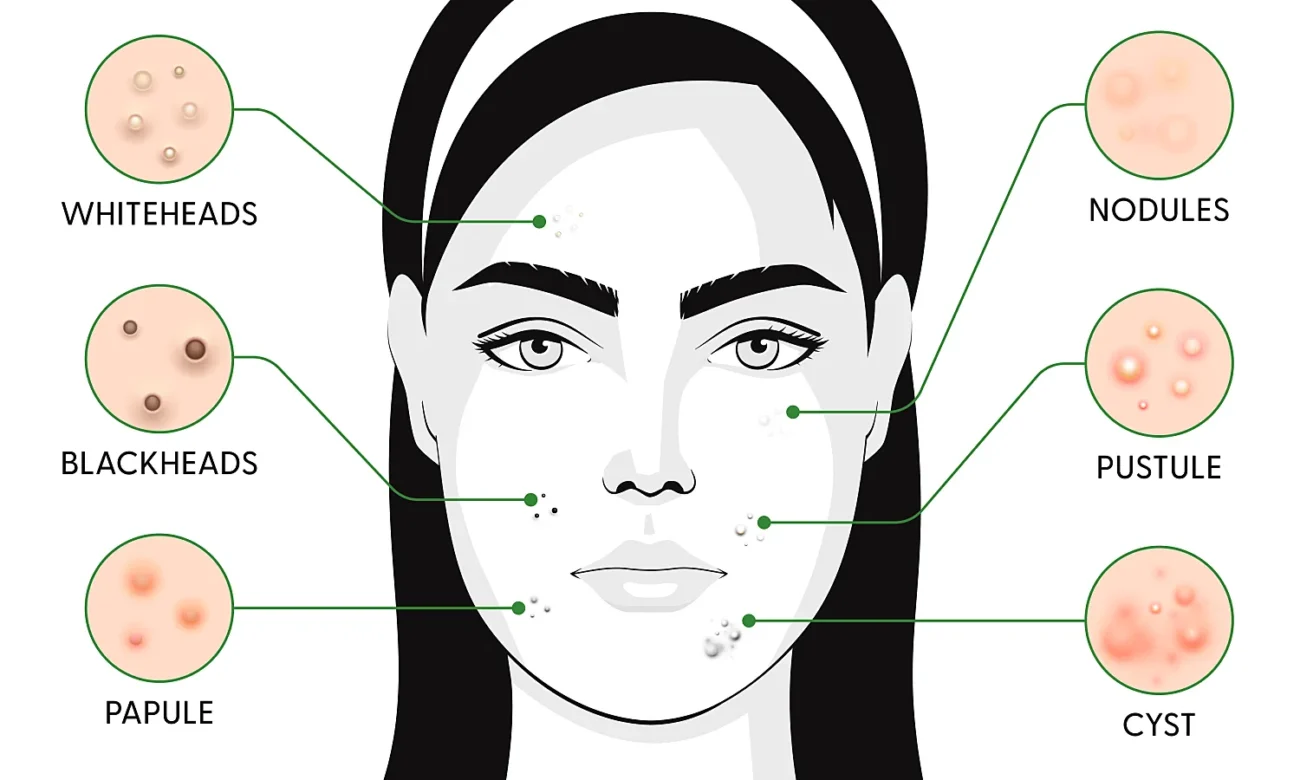
- Deep, painful cysts or nodules
- Red, inflamed pimples
- Appears cyclically (often monthly)
- Commonly found on the jawline, chin, cheeks, and neck
- May leave dark spots or scars
Hormonal acne is usually not itchy and tends to be tender or sore.
Differences Between Fungal Acne and Hormonal Acne
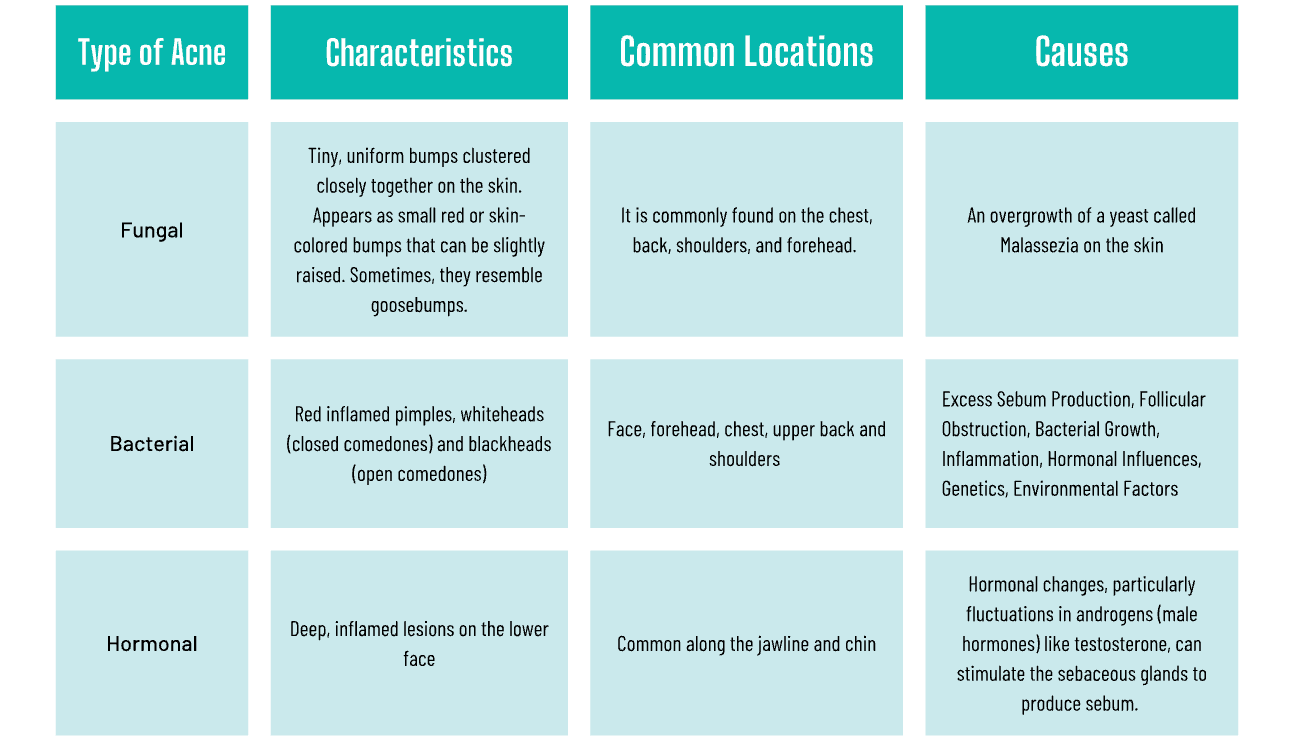
The easiest way to understand fungal acne vs hormonal acne is by looking at the size and shape of the bumps. Fungal acne bumps are tiny and almost all look the same. They may feel itchy and appear in clusters. Hormonal acne bumps are bigger and feel swollen under the skin. They show up in certain areas of the face and hurt when pressed. When you know which one you have, you can choose the right treatment.
| Feature | Fungal Acne | Hormonal Acne |
|---|---|---|
| Cause | Yeast overgrowth | Hormonal imbalance |
| Texture | Small, uniform bumps | Large, cystic pimples |
| Sensation | Often itchy | Often painful |
| Location | Forehead, chest, back | Jawline, chin, cheeks |
| Treatment | Antifungal products | Hormone-balancing treatments |
How to Treat Fungal Acne Effectively
Since fungal acne is yeast-based, antibacterial acne treatments are ineffective and may worsen the condition.
At-Home Treatments for Fungal Acne
- Use antifungal cleansers or shampoos (with guidance)
- Switch to lightweight, non-comedogenic products
- Avoid oils that feed yeast
- Shower promptly after sweating
- Wear breathable fabrics
Consistency and simplicity are key when managing fungal acne.
Professional Skin Solutions for Fungal Acne
At a salon or skin clinic, professionals may recommend:
- Deep cleansing facials
- Gentle chemical exfoliation
- Light therapy treatments
- Customized fungal-safe skincare routines
Professional guidance helps prevent flare-ups and skin barrier damage.
How to Treat Hormonal Acne Effectively
Hormonal acne requires a more holistic approach, addressing both internal and external factors.
At-Home Treatments for Hormonal Acne
- Gentle, balancing cleansers
- Oil-control serums and exfoliants
- Consistent skincare routines
- Stress management and sleep regulation
- Balanced diet and hydration
Avoid over-drying products, as they can trigger more oil production.
Professional Skin Solutions for Hormonal Acne
Beauty salons and clinics often recommend:
- Customized acne facials
- Chemical peels
- LED light therapy
- Advanced skin treatments for acne scars
- Long-term skincare planning
In some cases, clients may also be referred to medical professionals for hormonal evaluation.
Can You Have Both Fungal and Hormonal Acne?
Yes, it is possible to experience both types simultaneously. This is common in individuals with oily or acne-prone skin who also experience hormonal fluctuations.
In such cases:
- Treatment must be carefully balanced
- Products should be chosen strategically
- Professional skin analysis is highly recommended
Using the wrong products for mixed acne types can worsen one condition while improving the other.
Skincare Routine Tips for Acne-Prone Skin
Regardless of acne type, following good skincare practices helps maintain healthy skin:
- Cleanse gently twice daily
- Avoid harsh scrubs
- Use non-comedogenic products
- Keep makeup tools clean
- Protect skin with sunscreen
- Maintain consistency
A personalized routine designed by skincare professionals delivers the best results.
Choosing the Right Skin Solution
Knowing the difference between fungal acne vs hormonal acne brings clarity. You start to understand why one type itches while another hurts. You see why one responds to anti fungal care and the other needs hormonal support. When the treatment matches the cause, the skin slowly becomes calmer. With patience, good habits, and the right approach, the skin often finds its balance again.
Fungal acne and hormonal acne may look similar, but their causes and treatments are entirely different. Misdiagnosis often leads to frustration and prolonged breakouts. By understanding the unique characteristics of each type, you can make informed decisions about skincare, treatments, and professional support.