
Blog
Daily Hip Stretches for Pain Relief and Flexibility
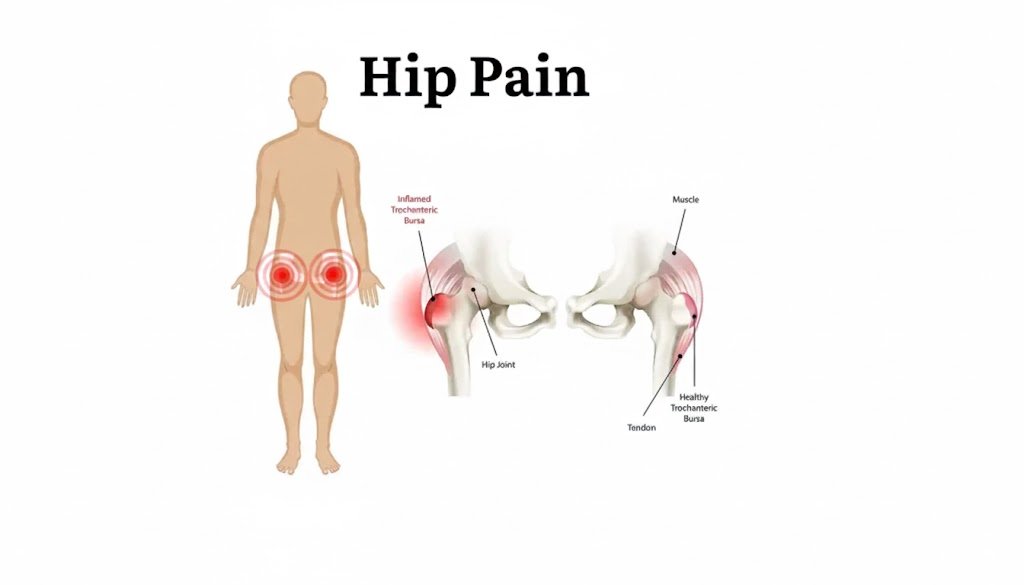
Your hips are one of the hardest-working parts of your body. They help you walk, sit, bend, run, sleep, and even stand still. When hips become tight or weak, pain often shows up in places you might not expect, such as the lower back, knees, or even the feet.
I have worked with children, adults, office workers, athletes, and older adults for many years. One thing stays the same across all ages: when hip movement improves, pain often goes down.
Why Hip Health Matters Every Day

Daily hip stretching is not about being flexible like a gymnast. It is about:
- Moving without pain
- Sitting and standing comfortably
- Protecting your joints as you age
- Making daily life easier
This guide explains hip stretches in a clear and simple way. No fancy words. No confusing steps. Everything is written so even a 7-year-old can understand it.
Understanding the Hips in Simple Terms
The hip is a ball-and-socket joint. That means:
- The top of your leg bone is shaped like a ball
- It fits into a socket in your pelvis
This design allows movement in many directions, but it also means the hips can become stiff if not moved often.
The hips are surrounded by:
- Muscles
- Tendons
- Ligaments
- Fascia (thin connective tissue)
When these tissues become tight, pain and limited movement follow.
Common Causes of Hip Pain and Stiffness
Hip pain rarely comes from just one thing. In my experience, it is usually caused by a mix of habits and movement patterns.
Common causes include:
- Sitting for long periods
- Poor posture
- Weak glute muscles
- Tight hip flexors
- Old injuries
- Lack of daily movement
Even people who exercise regularly can have hip pain if they stretch poorly or skip recovery.
Why Daily Hip Stretching Helps
Stretching the hips daily helps by:
- Increasing blood flow
- Reducing muscle tension
- Improving joint movement
- Lowering stress on the lower back and knees
When hips move well, the rest of the body works better.
I have seen people reduce long-term pain simply by stretching their hips for 10 minutes a day.
When You Should Stretch Your Hips
Hip stretches can be done:
- In the morning to reduce stiffness
- After work to undo sitting
- After exercise
- Before bed to relax muscles
The best time is the time you will actually do it.
Consistency matters more than timing.
Safety Rules Before Starting
Before stretching your hips, remember these rules:
- Never stretch into sharp pain
- Move slowly
- Breathe normally
- Stop if pain increases
Stretching should feel gentle, not forced.
The Muscles Around the Hips You Should Know
You do not need anatomy knowledge, but knowing these muscles helps.
Key hip muscles include:
- Hip flexors (front of the hips)
- Glute muscles (buttocks)
- Adductors (inner thighs)
- Abductors (outer hips)
- Piriformis (deep hip muscle)
Each group needs attention for full hip health.
Hip Flexor Tightness and Pain
Hip flexors tighten from sitting too much. Tight hip flexors can:
- Pull the pelvis forward
- Increase lower back pain
- Limit walking stride
This is one of the most common issues I see in office workers.
Simple Hip Flexor Stretch
How to do it:
- Kneel on one knee
- Other foot flat in front
- Gently shift hips forward
- Keep chest upright
Hold for: 20–30 seconds
Repeat: 2–3 times per side
You should feel the stretch in the front of the hip, not the lower back.
Glute Muscles and Hip Stability
The glutes protect the hips. Weak glutes can cause:
- Hip pain
- Knee pain
- Lower back pain
Stretching and activating the glutes improves balance and strength.
Seated Glute Stretch
How to do it:
- Sit tall in a chair
- Place ankle over opposite knee
- Lean forward slightly
Hold for: 20–30 seconds
Repeat: 2 times per side
This stretch is gentle and safe for most people.
Inner Thigh Tightness and Hip Pain
The inner thigh muscles help stabilize the hips. Tightness here can:
- Limit hip opening
- Cause groin discomfort
- Affect walking mechanics
Standing Inner Thigh Stretch
How to do it:
- Stand with feet wide
- Shift weight to one side
- Keep other leg straight
Hold for: 20 seconds
Repeat: 2 times per side
Move slowly and stay upright.
Outer Hip Tightness and Daily Movement
The outer hips help control side-to-side movement. Tight outer hips can:
- Cause hip pinching
- Increase knee stress
- Affect balance
Lying Outer Hip Stretch
How to do it:
- Lie on your back
- Pull one knee across the body
- Keep shoulders relaxed
Hold for: 20–30 seconds
Repeat: 2 times per side
This stretch is especially helpful before bed.
Piriformis Muscle and Sciatic-Like Pain
The piriformis sits deep in the hip. When tight, it can irritate nearby nerves.
Stretching this muscle often reduces:
- Buttock pain
- Hip stiffness
- Leg discomfort
Figure-Four Stretch on the Floor
How to do it:
- Lie on your back
- Cross ankle over opposite knee
- Gently pull legs toward chest
Hold for: 20–30 seconds
Repeat: 2–3 times per side
Breathe slowly during this stretch.
Hip Mobility vs Hip Flexibility
Flexibility means muscles can lengthen.
Mobility means joints move smoothly.
Daily hip care should include both.
Stretching improves flexibility.
Gentle movement improves mobility.
Gentle Hip Circles for Mobility
How to do it:
- Stand holding support
- Slowly circle one leg
- Keep movement smooth
Repeat: 10 circles each direction per side
This improves joint lubrication.
Morning Hip Stretch Routine (5 Minutes)
A simple daily routine:
- Hip flexor stretch
- Glute stretch
- Inner thigh stretch
- Hip circles
This is often enough to reduce stiffness for the day.
Hip Stretches for Office Workers
If you sit most of the day:
- Stand up every hour
- Stretch hips lightly
- Avoid long periods of stillness
Even short movement helps.
Hip Stretches Before Exercise
Before workouts:
- Use gentle dynamic movements
- Avoid long holds
This prepares the hips without weakening muscles.
Hip Stretches After Exercise
After activity:
- Use slow, steady stretches
- Focus on breathing
This helps muscles recover faster.
Hip Stretches for Older Adults
For older adults:
- Use chairs or walls for support
- Avoid floor stretches if uncomfortable
- Keep movements small and controlled
Stretching should feel safe and calm.
Hip Stretches for Lower Back Pain
Many lower back problems start at the hips.
Improving hip movement often:
- Reduces back stiffness
- Improves posture
- Decreases pain episodes
This is something I see often in clinical settings.
Hip Stretches for Knee Pain
Poor hip movement can stress the knees.
When hips move better:
- Knees track properly
- Walking becomes smoother
- Pain often decreases
Breathing During Hip Stretches
Breathing helps muscles relax.
Tips:
- Breathe through the nose if possible
- Slow breaths
- Do not hold your breath
This improves stretch effectiveness.
How Long It Takes to See Results
Most people notice:
- Less stiffness in 1–2 weeks
- Improved movement in 3–4 weeks
- Reduced pain with consistent practice
Consistency matters more than intensity.
Common Stretching Mistakes
Avoid these mistakes:
- Bouncing
- Forcing stretches
- Ignoring pain
- Stretching cold muscles aggressively
Gentle movement works best.
How Much Stretching Is Enough?
Daily goal:
- 5–15 minutes
More is not always better.
When to Avoid Hip Stretching
Do not stretch if:
- Pain is sharp or sudden
- There is swelling or injury
- A medical professional advised against it
Listen to your body.
Daily Hip Stretching for Long-Term Health
Why Hips Stiffen Over Time
As people age, movement often decreases. Less movement leads to stiffness. Stiff hips change posture, walking style, and balance.
Daily stretching helps slow this process.
Hip Health and Nervous System Calm
Slow stretching sends calming signals to the nervous system. This reduces muscle guarding and tension.
This is why stretching often feels relaxing.
The Role of Habit and Routine
The body responds best to routine. Stretching at the same time daily builds habit and improves results.
Stretching Is Not About Pain
Stretching should never hurt. Gentle discomfort is normal, but pain is not helpful.
How Stretching Improves Daily Tasks
Daily hip stretching makes:
- Getting out of bed easier
- Sitting and standing smoother
- Walking more comfortable
Small improvements add up.
Long-Term Consistency Benefits
People who stretch daily often experience:
- Better posture
- Less joint stiffness
- Improved balance
- Reduced injury risk
Advice
Hip health is not about extreme flexibility. It is about gentle, daily care. Simple stretches done consistently are more effective than complex routines done occasionally.
Frequently Asked Questions
How often should I stretch my hips?
Daily is best.
Can hip stretching reduce pain?
Yes, when done consistently and gently.
Is stretching safe for beginners?
Yes, when movements are slow and controlled.
Final Thoughts From an Expert
Daily hip stretches are one of the simplest tools for pain relief and flexibility. They require no equipment and very little time. I have seen people regain comfort and confidence simply by caring for their hips each day.
Move gently. Stay consistent. Respect your body.
That is how hip stretching works best.