
Blog
Clear Aligners: What Does the Treatment Journey Actually Look Like

You have been thinking to “fix” your teeth using clear aligners. Maybe you have seen some before-and-after photos online, or perhaps your dentist mentioned them during your last check-up. But what actually happens between deciding to go for it and getting that straighter smile you are after? It is very common for people to blindly opt for it without being aware about the whole clear aligner treatment process. Let’s walk through what the journey typically looks like.
It’s worth saying upfront that experiences can vary quite a bit depending on which provider you go with and what your specific dental situation is like.
But, you can expect many common steps that most people have to go through.
Understanding these steps might help you figure out whether this is something you want to pursue
Least help you know what questions to ask.
The Beginning of Clear Aligners Treatment
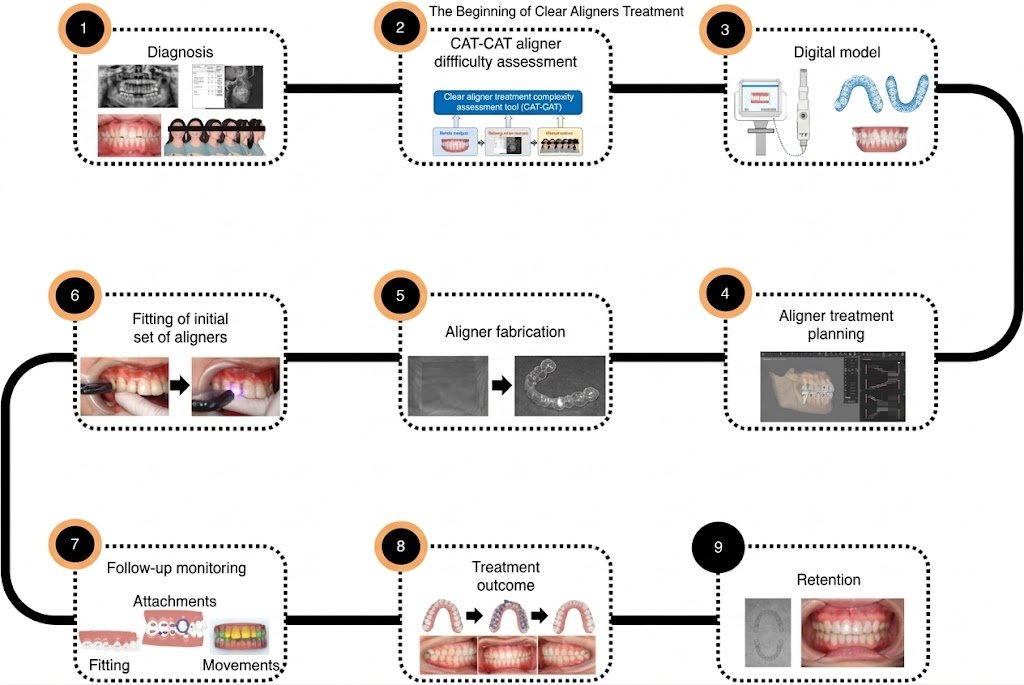
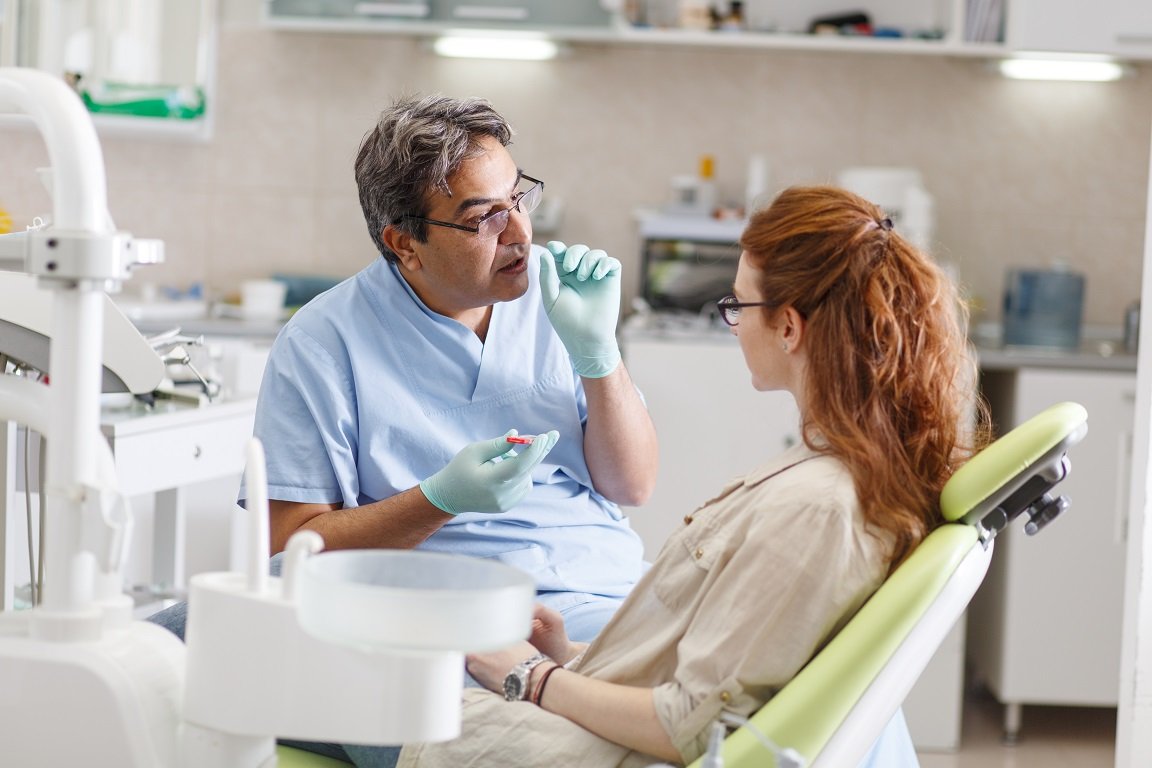
In the first step, the dentist or an orthodontist performs a consultation and checks the status of your teeth. They will have a proper look at your teeth and work out whether clear aligners are actually suitable for what you need. Not everyone is a good candidate, and it is better to find that out early on rather than getting your hopes up, isn’t it?
Some practices use digital scanners now – these create a 3D image of your teeth without all that goopy impression material that used to make people gag. Others might still use the traditional impressions, though that seems to be becoming less common these days.
This is also when you will get to ask questions. How long might treatment take? How much will it cost? What happens if you lose an aligner? There is no such thing as a silly question here, really. If you are going to commit to wearing these things for months on end, you want to know what you are getting into.
Creating Your Treatment Plan
If clear aligners seem like a good fit, the next stage involves creating a personalised treatment plan. Specialists create a digital model that shows how your teeth will move throughout the treatment. Some providers can even show you a simulation of what your smile should look like at the end. That can be quite motivating, seeing the potential result before you have even started.
The treatment plan maps out how many aligners you will need and roughly how long the whole process should take. This varies enormously from person to person. Some people might be done in six months, others might need a year or even longer. It depends on how much movement is required and how complex the case is.
You will usually get an estimate of costs at this point too, along with information about payment plans if that’s something you need. It’s not always cheap, but many practices offer options to spread the cost, which can make it more manageable.
The Initial Days of Treatment
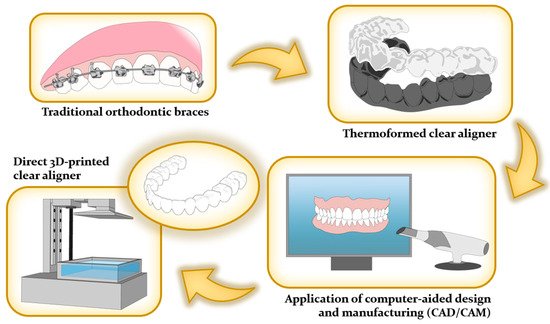
Once the treatment plan is approved by your doctor, your custom aligners get manufactured.
At the time of aligner delivery, your dentist instructs you on how to use and maintain them properly. The wear duration is 20 to 22 hours, which basically means all the time except when you’re eating or brushing your teeth.
- That first day or two with your aligners can feel quite strange.
- Your mouth needs some time to adjust to having these plastic trays over your teeth.
- There is a chance, you might notice a slight lisp initially or find that your mouth produces more saliva than usual.
- These things typically settle down within a few days as your mouth adapts.
The Daily Routine With Clear Aligners
You take them out to eat, brush and floss your teeth. Always clean the aligners, before popping them back in. It becomes quite automatic after a while, though some people do struggle with the discipline aspect of it.
Wear each set for a specific duration, which can usually be 7 to 14 days. Follow your dentist’s instructions regarding this. When you switch to a new set, you will probably feel some pressure on your teeth – that’s completely normal and actually shows that they are working. The pressure tends to be most noticeable for the first day or so after switching, then it eases off as your teeth begin to move.
Clean your aligners by brushing them gently with a soft toothbrush and rinse them with water, as it is important to maintain oral hygiene and condition of aligners.
Check-Up Appointments Along the Way
Routine check-ups are important to make sure everything is moving as per the initial treatment plan. These might be every few weeks or so. Some newer systems allow for remote aligner monitoring where you send photos instead of going in person. Technology has changed things quite a bit in this area.
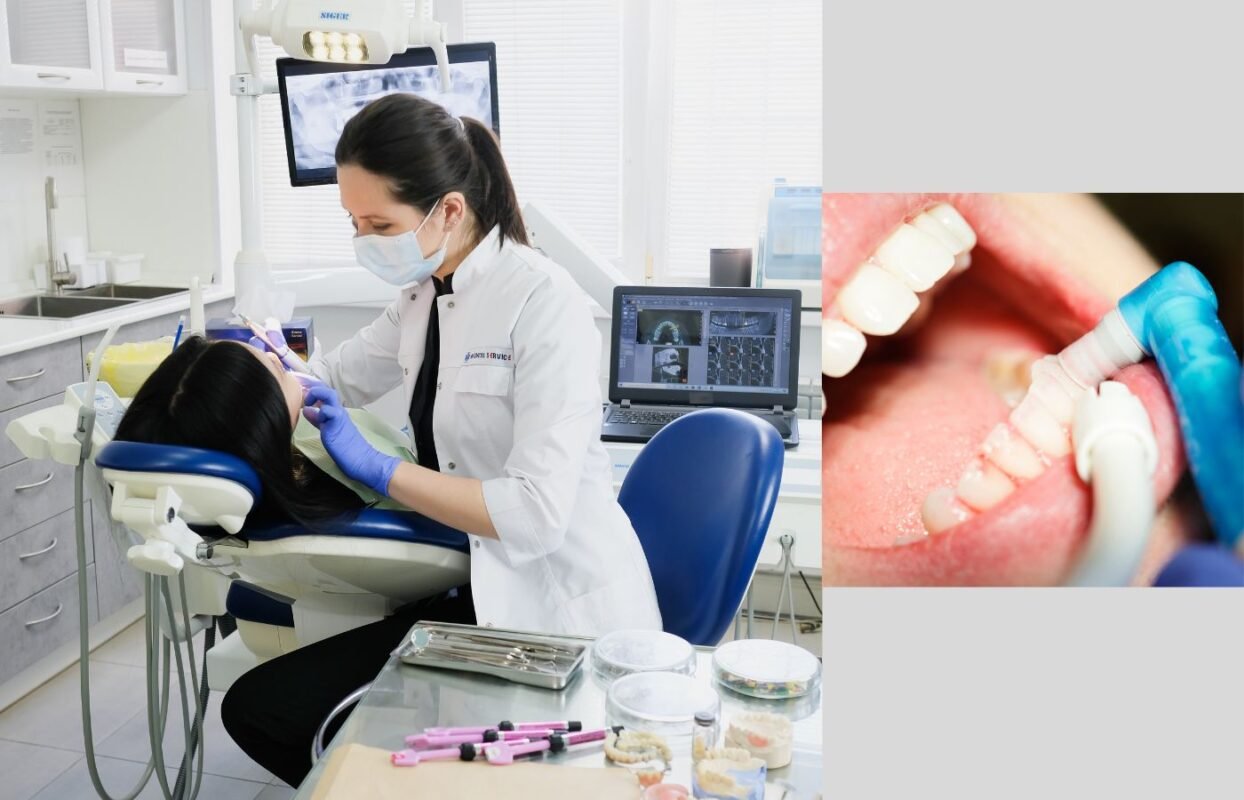
During these appointments, your dentist will check that your teeth are moving according to plan. If something is not tracking quite right – which does happen sometimes – they might need to take new scans and order refinement aligners to get things back on course. It’s not ideal when that happens, but it is not unusual either.
Finishing Treatment and What Comes After
Eventually, you’ll reach the end of your aligner series. But here’s something that catches some people off guard – you are not quite done yet. After orthodontic treatment, people need retainers after their clear aligners treatment to prevent their teeth from shifting back to their original positions.
Retainers might be worn full-time initially, then just at night long-term. Some people need to wear them indefinitely to maintain their results. It is a bit annoying, perhaps, but it is better than watching all that progress reverse itself.
Is the Journey Worth It?
The clear aligners journey requires patience, discipline, and a fair bit of commitment. There will be moments when you are fed up with taking them in and out, or when you fancy a snack but can’t be bothered with the whole removal and cleaning routine. That’s normal, most people feel that way at some point.
For many, seeing their smile gradually transform makes the effort worthwhile. Understanding what lies ahead can help you prepare mentally for the process and decide whether it’s the right choice for you right now.
Research Medical/scientific References
- Kravitz NR, Kusnoto B, BeGole E, Obrez A, Agran B. How well does Invisalign work? A prospective clinical study evaluating the efficacy of tooth movement with Invisalign. American Journal of Orthodontics and Dentofacial Orthopedics. 2009;135(1):27‑35. (This is one of the earliest clinical studies on Invisalign efficacy.)
- Rossini G, Parrini S, Castroflorio T, Deregibus A, Debernardi CL. Efficacy of clear aligners in controlling orthodontic tooth movement: A systematic review. PLoS ONE. 2014. (Systematic review of evidence up to 2014.)
- Papadimitriou A, et al. Clinical effectiveness of Invisalign® orthodontic treatment: A systematic review. Progress in Orthodontics. 2018;19:37. (A widely cited review summarising clinical evidence.)
- Yu Y, Sun J, Lai W, Wu T, Koshy S. Interventions for managing relapse of the lower front teeth after orthodontic treatment. Cochrane Database of Systematic Reviews. 2013. (Discusses outcomes and relapse relevant to aligner stability.)
- Rossini G, et al. Periodontal health during clear aligner therapy: A systematic review. European Journal of Orthodontics. 2015. (Addresses soft‑tissue health with aligners vs other appliances.)
- Moshiri M, et al. Retrospective cephalometric evaluation of open‑bite correction with clear aligners. Orthodontics & Craniofacial Research. 2017. (Classic observational study on specific movements with clear aligners.)
- Garnett ND, et al. Comparison of fixed appliances vs clear aligners for open‑bite correction. American Journal of Orthodontics and Dentofacial Orthopedics. 2019. (Important comparative long‑term observational research.)
- Remensnyder D. Original thermoplastic removable appliance for orthodontic tooth movement (historical patent/description). Circa 1949. (Early foundational concept of removable plastic tooth positioning devices.)
- Sheridan JJ. Essix retainers and appliance systems: Foundations of clear aligner‑type removable appliances. American Journal of Orthodontics. 1993. (Often cited as the first clinical use of clear plastic appliances in modern orthodontics.)
- Kesling HD. The theoretical concept and clinical application of tooth positioners in orthodontics. American Journal of Orthodontics. 1945. (Classic early work on sequential thermoplastic positioning, considered a conceptual precursor to modern aligners.)