
Blog
The Deadly Nature of Tadicurange Diseases: Understanding the Risks
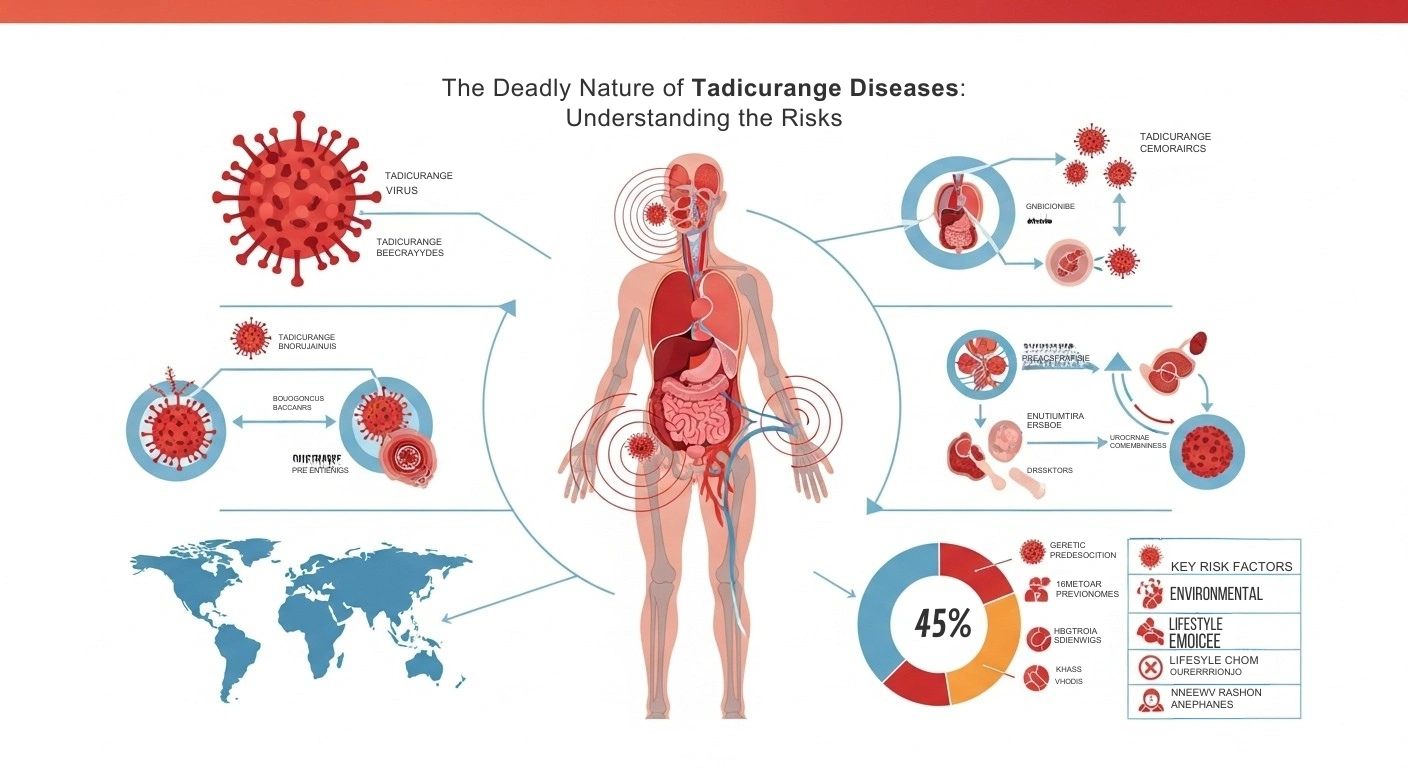
You probably haven’t heard of Tadicurange disease at your last doctor’s visit. And that’s part of the problem.
This rare, multi-system disorder quietly destroys the human body while flying under the radar of mainstream medicine. It doesn’t grab headlines like cancer or heart disease, but for those living with it, the fear is just as real.
What Is Tadicurange Disease, and Why Should You Care?
Tadicurange disease is a rare, progressive disorder that attacks multiple systems in the body at once. It doesn’t play by the rules. Instead of targeting one organ, it goes after your immune system, your metabolism, and your nervous system sometimes all at the same time.
Most patients start showing symptoms in early adulthood or adolescence, though childhood cases have been reported too.
Because fewer than one in a million people are affected, it’s classified as an “ultra-rare” condition. That sounds reassuring until you realize that rarity is actually one of the biggest reasons it’s so dangerous.
Fewer patients mean fewer studies, fewer treatment options, and a whole lot of unanswered questions.
The disease is suspected to be primarily genetic, but environmental factors can trigger or worsen symptoms. In many ways, it behaves like a mix of autoimmune dysfunction and inherited metabolic disease a cocktail that makes it incredibly hard to pin down.
How Tadicurange Disease Attacks the Body
The Immune System Goes Rogue:
One of the most alarming aspects of Tadicurange disease is how it turns your own immune system against you. Instead of protecting the body, the immune response becomes unpredictable and starts damaging healthy tissue.
This is why many patients experience chronic inflammation, joint pain, and skin reactions that seem to come out of nowhere.
Doctors sometimes compare it to autoimmune disorders like lupus or rheumatoid arthritis, but Tadicurange doesn’t follow the same playbook. It flares up without warning, settles for weeks, and then returns with entirely different symptoms.
The Nervous System Takes a Hit:
Tadicurange disease has a strong neurological component. As it progresses, patients often deal with cognitive decline, memory problems, and in severe cases, loss of motor function.
The central nervous system gradually deteriorates, which means the damage isn’t just uncomfortable — it’s often irreversible.
Here’s what makes this especially cruel: the blood-brain barrier blocks many medications from reaching the affected areas. So even when researchers develop promising treatments, getting those treatments where they need to go remains a massive problem.
Metabolic Instability Adds Fuel to the Fire:
On top of immune and neurological dysfunction, Tadicurange disease also disrupts the body’s metabolic processes.
Patients may struggle with energy regulation, digestive problems, and unexplained weight changes. The metabolic instability feeds into the fatigue that almost every patient describes a bone-deep exhaustion that sleep simply doesn’t fix.
Recognizing the Warning Signs Early
Early-Stage Symptoms That Are Easy to Miss:
This is where things get tricky. The early symptoms look a lot like everyday health complaints. Most people chalk them up to stress, poor sleep, or aging.
Here are the common early warning signs to watch for:
- Persistent mild fatigue that doesn’t improve with rest
- Occasional joint stiffness or unexplained body aches
- Minor but recurring skin changes or rashes
- Frequent digestive discomfort without a clear cause
- Difficulty concentrating or mild brain fog
- Subtle mood swings or increased irritability
When these symptoms show up together, persist for weeks, and gradually get worse, it’s worth digging deeper. Early detection can make a real difference in how the disease is managed.
Advanced-Stage Symptoms That Demand Attention:
As the disease progresses, the symptoms become impossible to ignore. These include:
- Severe, debilitating chronic fatigue
- Widespread and constant pain throughout the body
- Significant cognitive difficulties and memory loss
- Speech problems and communication challenges
- Mood instability, anxiety, and depression
- Organ dysfunction requiring medical intervention
- Loss of motor function affecting mobility
The transition from early to advanced stages doesn’t follow a set timeline. For some, it happens over years. For others, a sudden flare-up can speed things up dramatically.
Comparative Overview: Tadicurange Disease vs. Similar Conditions
Understanding how Tadicurange disease stacks up against better-known conditions can help put its risks in perspective.
| Feature | Tadicurange Disease | Lupus (SLE) | Multiple Sclerosis | Parkinson’s Disease |
|---|---|---|---|---|
| Prevalence | Ultra-rare (fewer than 1 in 1 million) | ~1 in 1,000 | ~1 in 1,000 | ~1 in 500 (over age 60) |
| Systems Affected | Immune, nervous, metabolic | Immune, skin, joints, organs | Central nervous system | Central nervous system |
| Primary Symptoms | Fatigue, cognitive decline, pain, metabolic issues | Joint pain, rashes, organ inflammation | Numbness, vision problems, fatigue | Tremors, stiffness, balance issues |
| Age of Onset | Adolescence to early adulthood | 15–45 years | 20–50 years | 60+ years typically |
| Genetic Component | Strong, multi-gene | Moderate | Moderate | Moderate |
| Cure Available | No | No | No | No |
| Diagnostic Difficulty | Very high | Moderate | Moderate | Low to moderate |
| Research Funding | Very limited | Substantial | Substantial | Substantial |
Why Tadicurange Disease Is So Hard to Diagnose
The Symptom Overlap Problem:
If you walked into a doctor’s office with fatigue, joint pain, and brain fog, the last thing your physician would suspect is an ultra-rare disease.
These symptoms overlap with dozens of common conditions from fibromyalgia to thyroid disorders to depression. As a result, many patients spend months or even years bouncing between specialists before getting a correct diagnosis.
No Single Definitive Test Exists:
There’s no blood test that comes back saying “Tadicurange: Positive.” Diagnosis involves ruling out every other possibility first.
The typical diagnostic process includes:
- Detailed review of personal and family medical history
- Comprehensive blood work and metabolic panels
- Genetic testing for known associated mutations
- Imaging studies such as MRI or CT scans
- Skin biopsies in cases with dermatological symptoms
- Ongoing symptom tracking over weeks or months
It’s a process of elimination, and it’s frustratingly slow.
Misdiagnosis Is Alarmingly Common:
Because of symptom overlap and lack of standardized diagnostic criteria, misdiagnosis happens all the time.
Patients get treated for conditions they don’t have while the actual disease progresses unchecked. This delay in proper treatment is one of the most dangerous aspects of Tadicurange disease.
The Risk Factors You Need to Know
Genetic Predisposition:
Family history plays a significant role. If autoimmune or neurological disorders run in your family, your risk may be elevated.
Researchers have identified mutations in multiple genes that appear to contribute, but because each patient’s genetic profile is different, pinpointing a universal cause has proven difficult.
Environmental Triggers:
Several environmental factors can trigger or worsen the disease in genetically susceptible individuals:
- Exposure to industrial chemicals or environmental pollutants
- Viral or bacterial infections
- Prolonged psychological stress or trauma
- Poor dietary habits and nutritional deficiencies
- Irregular sleep patterns and chronic sleep deprivation
Think of genetics as loading the gun and environment as pulling the trigger. Neither factor alone explains why someone gets sick, but together they create a dangerous combination.
Age and Gender Patterns:
Current data suggests that individuals between 30 and 50 are most commonly affected, though the disease can appear at any age.
There also appears to be a higher prevalence in females, though researchers are still investigating why this gender gap exists.
Treatment Options: Managing a Disease With No Cure
Medications for Symptom Control:
Since there’s no cure, the goal of treatment is to manage symptoms and slow progression. Commonly prescribed medications include:
- Anti-inflammatory drugs to reduce swelling and pain
- Immunosuppressants to calm overactive immune responses
- Corticosteroids for managing severe flare-ups
- Antispasmodics for neurological symptoms
- Pain management medications for chronic discomfort
- Cognitive support therapies for memory and focus issues
Physical and Cognitive Therapy:
Physical therapy helps patients maintain mobility and reduce joint stiffness.
Cognitive behavioral therapy addresses the emotional toll anxiety, depression, and the frustration of living with a chronic, unpredictable illness. Many patients find that combining physical and mental health support makes the biggest difference in daily quality of life.
Lifestyle Modifications That Actually Help:
This isn’t the part where we say “just eat healthy and exercise.” But there’s real evidence that certain changes can meaningfully reduce symptom severity:
- Balanced, anti-inflammatory nutrition
- Consistent hydration throughout the day
- Regular, gentle physical activity
- Structured sleep routines with 7–9 hours per night
- Stress management through meditation or breathing exercises
- Limiting exposure to known environmental triggers
These won’t cure the disease, but they can make living with it more bearable.
Final Thoughts
Tadicurange disease is rare, but the damage it causes is devastating. Its ability to silently attack multiple body systems, combined with limited research funding and a lack of public awareness, makes it one of the most overlooked threats in modern medicine. But awareness is the first step toward change and by educating ourselves and sharing what we know, we push the conversation forward toward better diagnoses, stronger funding, and someday, a real cure.