Blog
What is the Future of Remote Healthcare Careers and Patient Care?

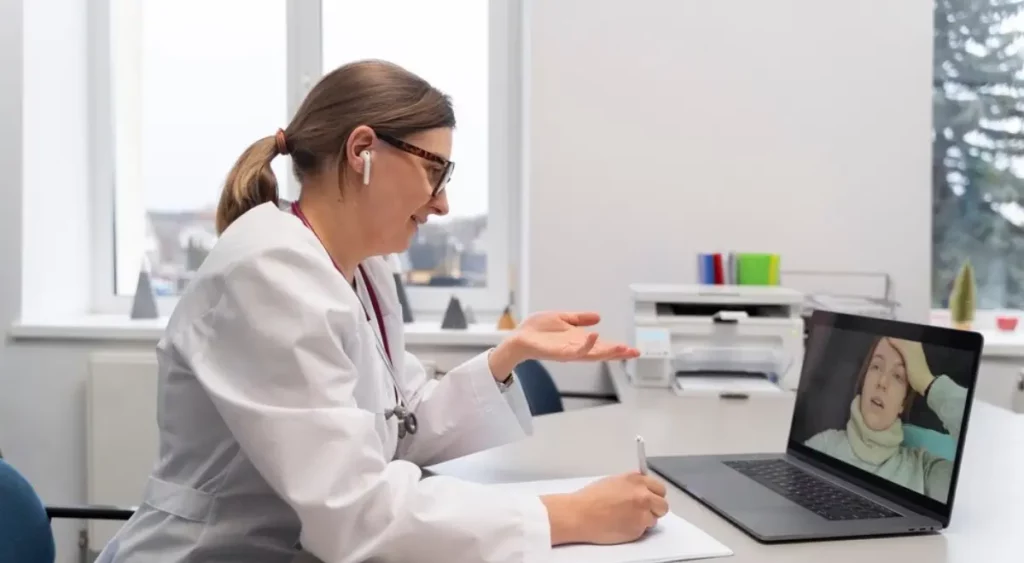
Remote healthcare used to be a niche corner of the medical world. Something you heard about occasionally in tech news or as a novelty service at forward-thinking clinics. Today, it’s a fundamental piece of the broader healthcare system. As technologies evolve and patient expectations shift, remote healthcare careers and patient care are rapidly becoming central to how we think about medicine, wellness, and access to care.
A New Normal
The COVID-19 pandemic undoubtedly accelerated the adoption of telehealth. Virtual doctor visits moved from an occasional convenience to a necessity, and many patients and providers discovered real value in this model.
Insurance reimbursement policies were adapted, technology companies poured resources into secure communication platforms, and regulatory barriers shifted to enable broader access.
While some in-person care will always be essential (especially for procedures, diagnostics, and emergency services), telehealth has cemented itself as a reliable and permanent option for many types of care.
Today, remote healthcare isn’t just video calls with a doctor. It includes remote monitoring, asynchronous messaging, digital diagnostics, mobile health apps, and integrated platforms that connect patients and providers seamlessly.
As these tools become more refined and widespread, the idea of attending your doctor’s appointment could increasingly mean logging into an app from your living room.
Why Remote Care Matters

One of the biggest drivers behind the growth of remote care is access. Rural communities, underserved urban neighborhoods, and individuals with mobility challenges often struggle to reach clinical sites easily. Remote healthcare bridges that gap, offering patients quality care without the time, cost, or stress of travel.
Convenience is another big factor. For many Americans juggling work, family, and health concerns, virtual care reduces barriers. Need a prescription refill? A quick telehealth visit. Want a follow-up on a chronic condition? A video consultation. These interactions can save time and reduce the burden on both patients and providers.
There is also potential for greater equity in patient care, but only if the digital divide is addressed. Access to reliable internet and digital literacy are still unequal across socioeconomic groups. Part of the future of remote healthcare will involve ensuring that advancements benefit all populations, not just those already well-served.
Emerging Technologies Driving Change
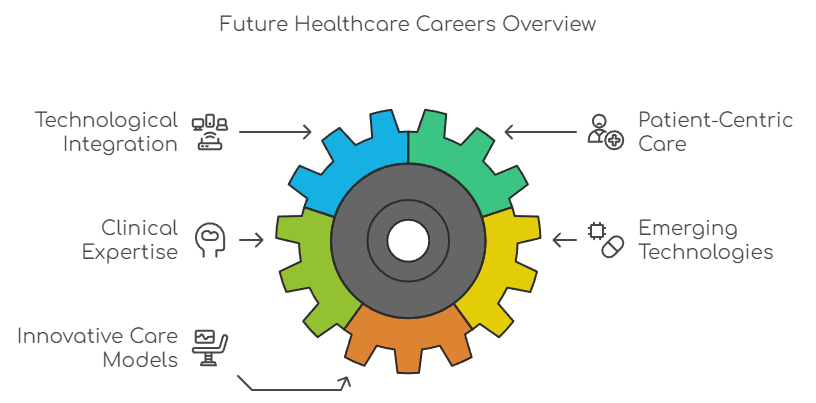
Technology is at the heart of remote healthcare’s evolution. Here’s a snapshot of the major innovations shaping the space:
Artificial Intelligence (AI) and Machine Learning
AI systems are increasingly used for triage, diagnostics, and decision support. From symptom checkers to predictive analytics that help clinicians identify health risks early, intelligent systems are enhancing efficiency and accuracy.
Wearables and Remote Monitoring Devices
Devices like smartwatches, connected glucose monitors, and wearable ECG trackers enable continuous data collection outside of clinical settings. Clinicians can monitor patients’ vital signs in real time or review trends to personalize care plans.
Mobile Health Apps
Apps for mental health, chronic condition management, medication reminders, and fitness support extend care beyond the clinic. Many systems integrate with electronic health records (EHRs), allowing providers to have a comprehensive view of patient data.
Virtual Reality (VR) and Augmented Reality (AR)
While still emerging, VR and AR are finding roles in remote rehabilitation, pain management, and even medical training. Imagine a physical therapy session guided by an AR system that provides real-time feedback, without the patient leaving home.
Secure Digital Platforms
Privacy and security are non-negotiable in healthcare. Platforms that offer encrypted communication, seamless EHR (electronic health records) integration, and user-friendly interfaces are crucial for scaling remote care safely.
Opportunities for Career Growth
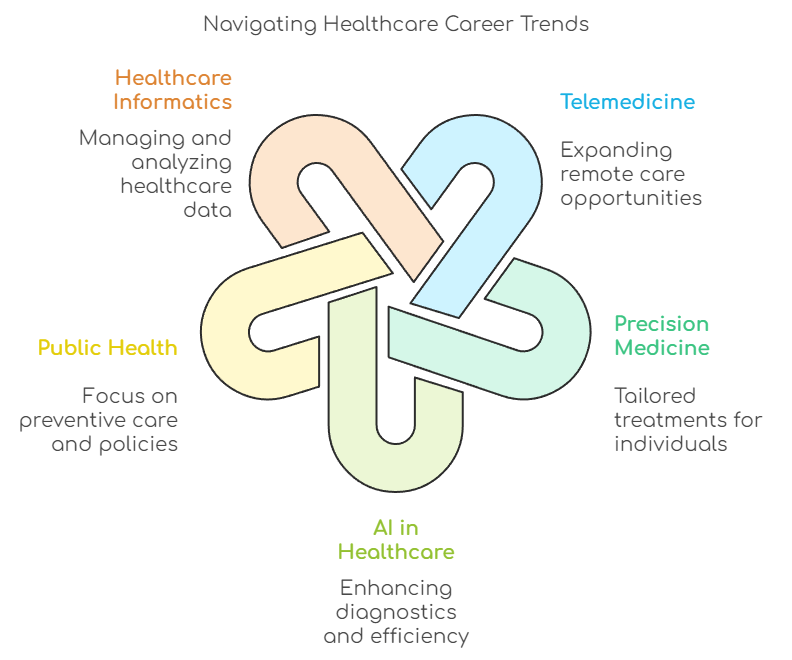
If you’re interested in taking the next step toward a flexible healthcare career, an online nurse practitioner program can be a great way to gain the skills needed for remote patient care.
The remote healthcare sector offers diverse opportunities for professionals at different stages of their careers:
- New graduates can explore roles in telehealth coordination, digital patient engagement, and tech-enabled care teams.
- Experienced clinicians can expand into virtual care delivery, leadership roles in telemedicine programs, and advisory positions with health tech companies.
- Tech professionals with health interests can support product development, user experience design for health platforms, and AI integration projects.
- Entrepreneurs and innovators have room to develop new services, tools, or niche offerings that solve unmet needs in remote patient care.
Organizations, from traditional health systems to startups, are investing in remote healthcare models. That means more jobs, varied pathways, and chances to shape how medicine is delivered in the future.
Challenges Along the Way
The future is promising, but not without challenges. Policy and reimbursement landscapes continue to evolve, and equitable access remains a major concern. There’s also the human element: ensuring that remote care doesn’t unintentionally create feelings of isolation or reduce the quality of the patient-clinician relationship.
Workforce burnout is another real issue. Delivering care through screens can be taxing in different ways than in-person work, so supporting providers’ well-being is part of building sustainable remote healthcare.
The Future of Remote Healthcare
Remote healthcare holds the promise of more accessible, flexible, and data-driven care. For patients, it means convenience and expanded access to expertise. For professionals, it opens doors to diverse and rewarding careers at the intersection of health and technology.
As we move forward, blending technological innovation with a human-centered approach will be the key to realizing remote healthcare’s full potential. If you’re considering entering this field, there’s never been a more exciting time to be part of shaping the future of care.