
Blog
Understanding the Essential Key 6 Building Blocks of Healthcare Systems

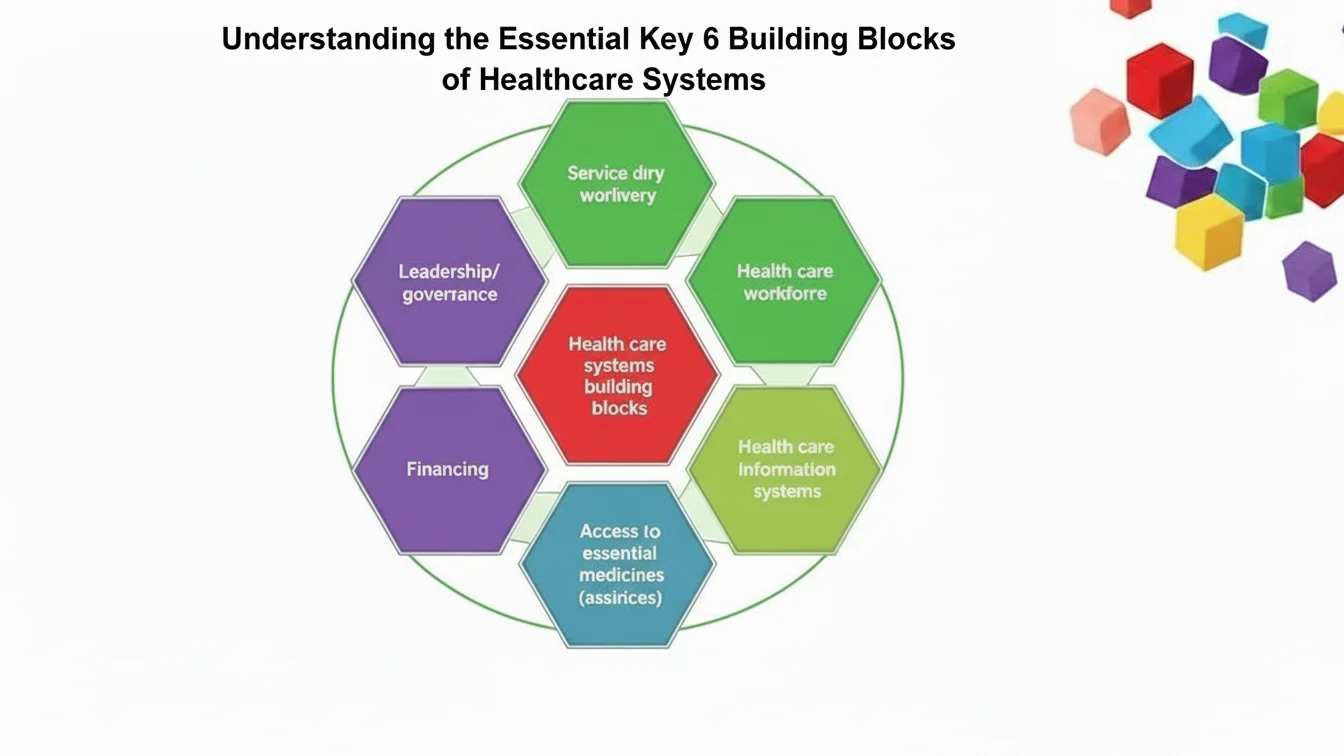
Building Blocks of Healthcare Systems
When we talk about healthcare, it’s easy to assume that all building blocks of healthcare systems work the same way, but that couldn’t be farther from the truth. Healthcare systems vary wildly, depending on a country’s resources, population needs, and the policies in place. Still, no matter where you are in the world, all healthcare systems rely on a few key building blocks to work efficiently. In this post, we’ll break down these essential healthcare components what they are and why they matter so you can better understand how healthcare systems are built and why some countries do it better than others.
If you’ve ever wondered what goes into making a healthcare system tick or why some countries seem to do healthcare so much better than others you’re in the right place. Let’s dig into these building blocks that serve as the backbone of every healthcare system.
What Exactly Is a Building Blocks of Healthcare System?
To start, let’s define what we mean by a healthcare system. It’s pretty simple, really. A healthcare system is a network of organizations and people that provide medical services like prevention, diagnosis, treatment, and ongoing care. It’s the framework that makes sure health services are available to people when they need them. The goal? To keep people healthy, manage diseases, and address all kinds of health challenges. Of course, the way each system works depends a lot on the country, its resources, and even the culture. Some systems focus on universal care for all, while others leave it up to individuals to figure out what they need.
The Backbone of Healthcare
Let’s face it, no matter how good the technology or infrastructure, the people who provide healthcare are what really make the system work. Doctors, nurses, lab techs, receptionists without these people, the system would grind to a halt. It’s the same in every country: healthcare workers are the lifeblood of the system.
Think about it: these professionals are not only responsible for delivering care but also for shaping the entire patient experience. That means training and education are vital. Whether it’s med school or continuing education, it’s critical that health professionals are always improving their skills. And, of course, where healthcare workers are located makes a huge difference too. Some areas suffer from a shortage of medical staff, making access to care more difficult, while others have more than enough.
But there’s another side to this: burnout. Healthcare workers are known for long hours and high-stress environments. It’s not just about saving lives; it’s also about making sure the people who save lives stay healthy and supported themselves.
How Do We Pay for Healthcare? The Big Question
Here’s where things get complicated. Healthcare systems don’t run on goodwill alone they need money. Whether it’s through private insurance, government programs, or a mix of both, healthcare financing is crucial. Without adequate funding, a healthcare system simply can’t provide the care people need.
Now, there are different ways to fund healthcare:
- Private Insurance: In some countries, individuals have to buy insurance to cover their healthcare costs. This system works well for people who can afford it but leaves others behind.
- Public Insurance/Universal Healthcare: In countries like the UK or Canada, the government steps in to provide insurance, funded by taxes. This way, everyone, regardless of their financial status, has access to healthcare.
- Out-of-Pocket Costs: In many countries, people have to pay for their healthcare services directly. This can be a major barrier for those who can’t afford to pay.
A good healthcare system needs a good balance of funding sources. If the system isn’t funded properly, people can’t get the care they need, and the system will collapse over time.
How Care is Delivered
Now, let’s talk about how healthcare actually gets to the people who need it. You can have the best technology, but if the system isn’t structured to deliver care effectively, it’s all for nothing. This part is all about the different levels and kinds of care that patients need.
- Primary Care: This is where most people start. Family doctors, general practitioners, and community clinics are the first point of contact for people seeking care. They handle everything from routine check-ups to managing chronic conditions.
- Specialized Care: Sometimes, primary care isn’t enough, and that’s where specialists come in. Whether it’s seeing a cardiologist for heart problems or an oncologist for cancer treatment, specialists provide the expertise needed for more complex health issues.
- Emergency Care: Accidents and emergencies happen, and healthcare systems need hospitals and emergency rooms to respond quickly and effectively.
- Long-Term and Palliative Care: Some people need long-term care for chronic conditions, while others might need palliative care towards the end of life. Both types of care are just as important as the others.
Each country has its own way of structuring these services, but the goal is the same: making sure people can access the care they need at the right time.
Healthcare Infrastructure
A healthcare system’s infrastructure isn’t just about fancy hospitals or top-of-the-line health equipment. It’s about having the right places and the right tools to deliver care.
In most places, this includes:
- Healthcare Facilities: From hospitals to small clinics, these are the places where people receive care. Ideally, there should be healthcare options in both cities and rural areas, so people aren’t left without access.
- Medical Equipment and Technology: Think MRI machines, lab tests, and electronic health records. These tools are absolutely essential for diagnosing and treating people accurately and efficiently.
- Transportation: When things go wrong, people need to be able to get to care quickly, whether that’s through ambulances or emergency transport.
Infrastructure plays a big role in how well a system delivers care. Without the right facilities and technology, a healthcare system can quickly fall behind.
Policy and Governance
Policies and regulations guide the way healthcare systems operate. Governments and regulatory bodies are responsible for making sure that healthcare providers follow the rules and that services are delivered fairly and equitably.
- Laws and Regulations: These ensure healthcare providers are up to standard and that patients are protected.
- Public Health Campaigns: Governments also play a role in promoting public health whether that’s through vaccination programs or health education.
- Quality Control and Accreditation: These mechanisms ensure that healthcare services meet minimum standards and that patients receive high-quality care.
Healthcare policy and governance help keep everything running smoothly, ensuring that systems are efficient, fair, and safe.
Health Equity: Fair Access for Everyone
Health equity is one of the most pressing issues in many healthcare systems. It’s all about making sure everyone, regardless of their background, income, or location, has access to the same quality of healthcare.
To achieve health equity, we need to:
- Remove Barriers: This could mean reducing financial, geographical, or cultural barriers that make it hard for some people to access care.
- Outreach Programs: Ensuring that vulnerable populations like minorities or people with disabilities have access to healthcare that meets their needs.
- Addressing Social Determinants of Health: Issues like housing, education, and employment all influence health. A truly equitable healthcare system looks at the whole picture and works to improve these areas too.
By focusing on health equity, we ensure that healthcare is not just available to the rich or the privileged it’s accessible to everyone.
Conclusion
Now that you’ve learned about the key building blocks of healthcare systems, you can see how they all come together to create a well-functioning system. The healthcare workforce, financing, delivery methods, infrastructure, policies, and commitment to health equity are all critical to ensuring a system works effectively.
Each piece of the puzzle is necessary, and when one part of the system is weak, the entire structure suffers. By understanding these components, we can work towards building better, more effective healthcare systems that serve everyone, everywhere. Healthcare may be complicated, but with the right tools, we can make sure that everyone gets the care they need.