
Blog
Ensuring Safety and Professional Care in Modern Medspas

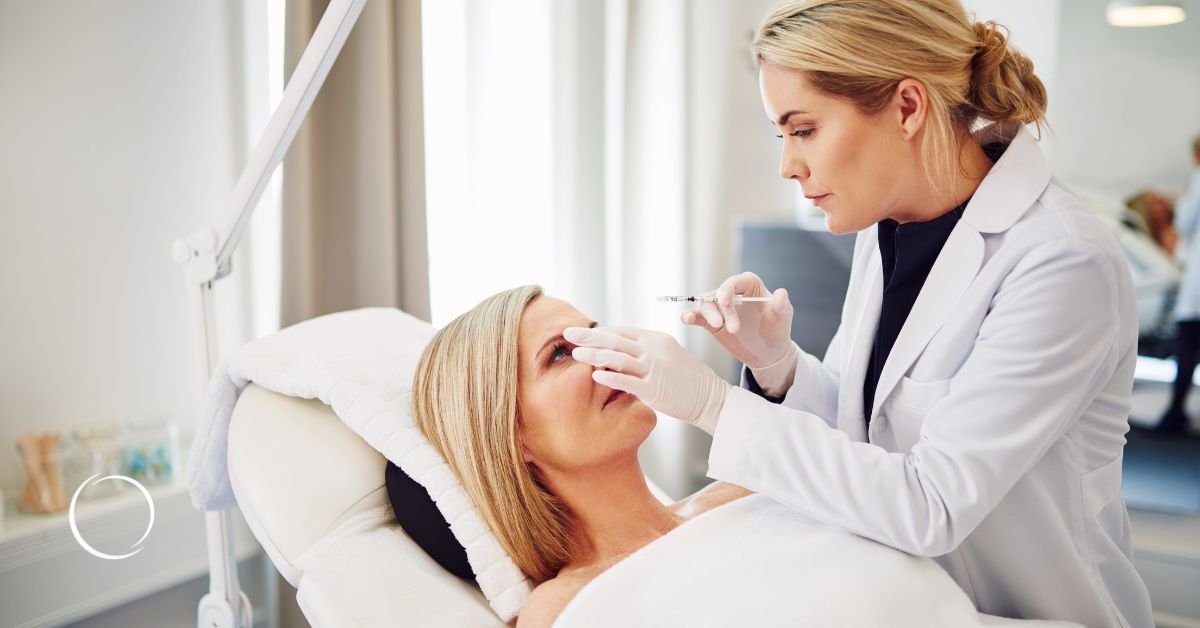
People go to medspas for treatments that focus on health, looks, and self-assurance. Procedures such as skin treatments, injections, and laser work deliver results when done with care. Still, safety relies on trained medical staff and organized clinic routines.
Clinics with licensed doctors give confidence to staff and clients. A structured aestheticare medspa makes sure rules are met, staff follow steps, and patients get steady care. Doctor direction lets clinics add services without causing safety or legal problems.
Licensed Physicians in Medspa Operations
Medspas usually run with nurses, physician assistants, or estheticians giving treatments. Even with training, some procedures need a doctor according to state rules. Medical directors handle clinic work, check practices, and help with complex treatments.
A doctor in the process raises safety, from checking if treatments fit to watching results. Clinics can introduce services with guidance on planning and risk. The American Med Spa Association notes that doctor supervision lowers problems and builds patient trust.
Roles and Responsibilities
A medical director usually:
- Checks protocols for new treatments
- Monitors patient evaluations and confirms consent
- Advises staff on procedure steps and safety
- Keeps records to meet rules
- Offers help in emergencies
These tasks let clinic teams concentrate on patient care without extra administrative work.
How Physicians Influence Patient Safety
Doctors make sure treatments fit each patient’s health. They spot conflicts, set safe injectable doses, and oversee procedures such as laser work. Clinics without licensed doctors face mistakes or legal problems, so doctor involvement is crucial. Doctors also check complications and adjust protocols to avoid repeats, keeping the clinic safer.
Compliance and Documentation for Patient Safety

Keeping records and following state rules is vital in aesthetic clinics. Many states ask medical directors to track patient care, procedure approvals, and staff training. Clinics that manage records clearly avoid fines and support a safer setting.
Importance of Written Protocols
Simple protocols help staff follow steady practices. Protocols cover pre-treatment checks, post-treatment care, and emergency steps. A doctor reviewing them ensures correctness and meets legal rules.
Regulatory Guidelines
The FDA sets rules for lasers, injectables, and other aesthetic treatments.Clinics that follow these rules keep patients safe and limit risk. The American Academy of Dermatology also stresses proper records and doctor guidance for procedures.
Legal and Insurance Considerations
Accurate records affect liability and malpractice coverage. Insurers may ask for treatment logs and proof of doctor supervision. Clinics that keep these records can support their practices during reviews or claims, keeping operations stable.
Staff Training and Consistent Practices

Skilled staff matter for safety and patient care. Regular training in treatments, hygiene, and emergencies keeps teams capable. Organized programs, following principles similar to injector training, cut errors and support confidence in daily work.
Building a Safe Clinic Environment
Following clear protocols helps staff know each step and share information. Team meetings, reviews, and guided practice sharpen skills and reduce mistakes. Patients see the results when procedures run smoothly and safely.
Collaboration With Medical Guidance
Doctors offer guidance and mentorship during training. Staff learn correct steps, record keeping, and managing issues with doctor support. This mix of training and direction builds a dependable experience for patients.
Example of Effective Training
Some clinics hold monthly skill checks with staff practicing procedures under doctor supervision. They examine patient charts, talk through potential problems, and adjust protocols. This routine boosts confidence, keeps procedures safe, and improves team communication.
Benefits of Structured Physician Management for Growth
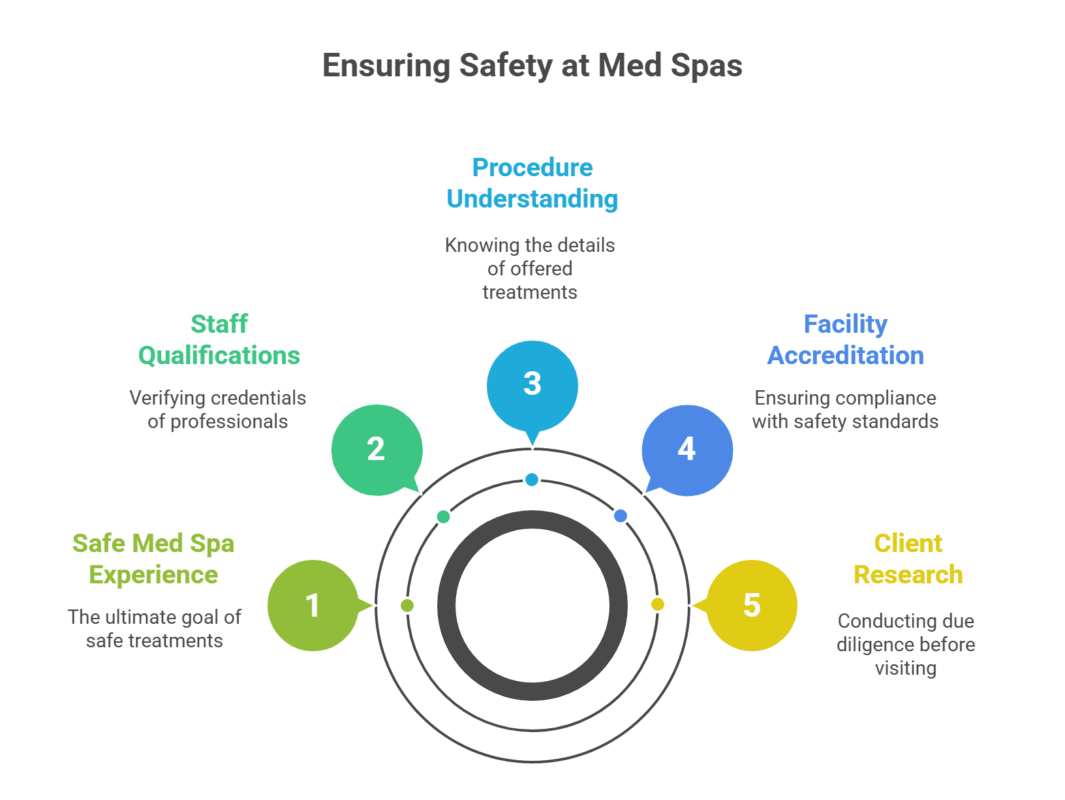
Structured doctor management also helps clinics handle changes and expand services. With a medical director in charge of rules and clinical direction, teams follow clear steps and avoid confusion. Clinics can introduce new treatments while staff focus on care, not paperwork. Regular reviews, training, and doctor input keep operations steady and reduce mistakes. This approach allows clinics to grow, adjust to demand, and maintain reliable service for every patient.
Efficient Operational Management
Doctors handle agreements, liability, and procedure approvals. Clinics prevent administrative slowdowns and stay within legal rules. Teams can focus on patient care instead of paperwork.
Supporting New Services
Doctor participation lets clinics provide treatments such as microneedling, laser work, or injectables safely. Doctors assess risks, advise on techniques, and check results. Clinics can expand services with confidence while keeping standards high.
Enhancing Patient Confidence
Patients return more often when licensed doctors take part in their care. Showing doctor supervision assures patients that treatments are safe. This trust boosts repeat visits and encourages referrals.
Creating a Trusted Medspa Experience
Patients seek steady, reliable care when choosing medspas. Clinics with trained staff, licensed doctors, and clear procedures gain trust and keep clients returning. People can go through treatments knowing rules are followed and results are handled properly. Regular checks, guided training, and doctor input make care consistent and predictable. This focus on proper steps, staff coordination, and patient review helps clinics run smoothly and keeps clients confident in every visit.
Clinics with doctor guidance and organized procedures benefit patients and staff. From easier operations to fewer complications, these practices create spaces where wellness and professional care meet. For those seeking dependable medspa services, choosing clinics with doctor oversight and structured training is key.
Integrating Wellness Practices
Medspas that pair medical guidance with wellness programs offer a well-rounded experience. Providing post-treatment advice, self-care steps, and follow-up checks creates a full wellness path for clients. Clinics can include yoga, nutrition guidance, or mindfulness sessions with aesthetic services while keeping safety intact.
Preparing for Future Trends
As medspa services expand, rules may become stricter and client demands higher. Clinics with solid doctor management are better ready to adjust. Accurate records, staff training, and doctor collaboration help clinics meet changing standards and maintain quality services.
Conclusion
These methods help clinics handle growth and add services while keeping safety and standards intact. Staff learn through direct guidance and practice, which boosts work flow and lowers mistakes. Patients get steady care, building trust and repeat visits. Clinics that combine doctor management with structured operations can meet rule changes, try new treatments, and keep a solid reputation. Over time, this plan improves patient results and the overall performance of the medspa.