
Blog
Why Fitness Evolution Has Become Impossible To Ignore

“Exercise is a celebration of what your body can do not a punishment for what you ate.”
Somewhere between step-tracking watches, cold plunges turning into the new “morning coffee,” and gyms looking more like boutique lounges than industrial metal boxes, something changed without people fully noticing. Fitness didn’t just improve; it reshaped itself. The quiet transformation that started a few years back is now so visible that pretending it’s not happening almost takes effort. We’re living through a moment where the old “lift weights, jog a little, eat clean” model doesn’t cut it anymore. The fitness evolution creeping into everyday life isn’t just dramatic it’s unavoidable. You can see it in the way people talk about sleep the same way they talk about workouts, the way mobility became a normal topic, the way injury prevention is treated with the same weight as training, and the way even casual exercisers know things like HRV or zone-2 cardio. This shift didn’t happen because someone invented a new workout; it happened because people were desperate to feel better, and the old system wasn’t doing the job.
The Old Version of Fitness We All Grew Up With
If you rewind a bit and picture how fitness used to look, it was honestly pretty bare-bones. You either lifted weights because you wanted bigger muscles, or you hopped on a treadmill hoping it would magically solve everything. That was the whole playbook. Nobody mentioned recovery unless you were a pro athlete. Mobility? Only dancers talked about that. And nutrition was basically chicken, rice, shakes, and someone insisting carbs were evil. Mental health in the gym? Not even a conversation. You pushed hard, felt awful afterward, and acted like that was normal. It worked for a tiny slice of people who didn’t mind suffering, but for most folks, the whole thing felt like another chore. Quietly, almost without saying it out loud, a lot of people decided they were tired of guessing and hurting. That’s where the shift really started.
When Technology Showed Up and Changed the Rules
The whole fitness landscape flipped the moment tech got involved and it didn’t sneak in gently. Once people started tracking steps, sleep, heart rate, stress, and all those little rhythms of daily life on their wrist, everything clicked differently. Your body stopped being a guessing game. You could see patterns you never noticed: why you were sluggish, which workouts actually helped, when your body was screaming for rest. Stuff that used to be exclusive to elite athletes and full teams of trainers suddenly became normal. It’s hard to ignore your own data once you’ve seen it. That’s why tech didn’t just add gadgets it pushed people into a new level of self-awareness they didn’t even know they were missing.
Why Workouts Don’t Look Like Workouts Anymore
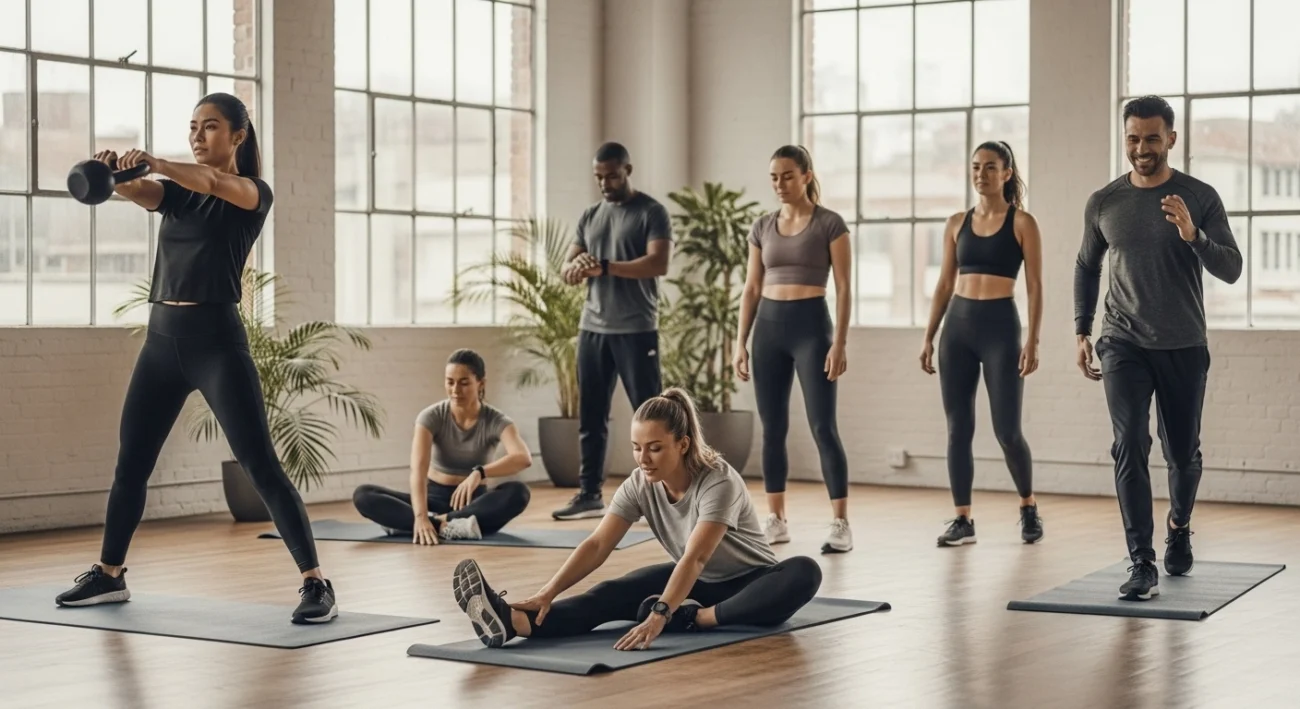
If you walk into a gym today, you’ll notice something instantly: nothing looks like it used to. People are swinging kettlebells in fluid patterns, doing Pilates mixed with strength moves, walking in groups like it’s a sport, and lifting with perfect form instead of pure ego. Even the hardcore lifters sneak in breathwork and mobility drills. This isn’t random industry folks finally realized forcing people into miserable routines only makes them quit. And when people quit, gyms lose money. So the whole environment softened; workouts became flexible instead of rigid. Now the goal isn’t to squeeze yourself into someone else’s routine. It’s to make fitness fit your actual life.
Recovery Moved From the Back Corner to Center Stage
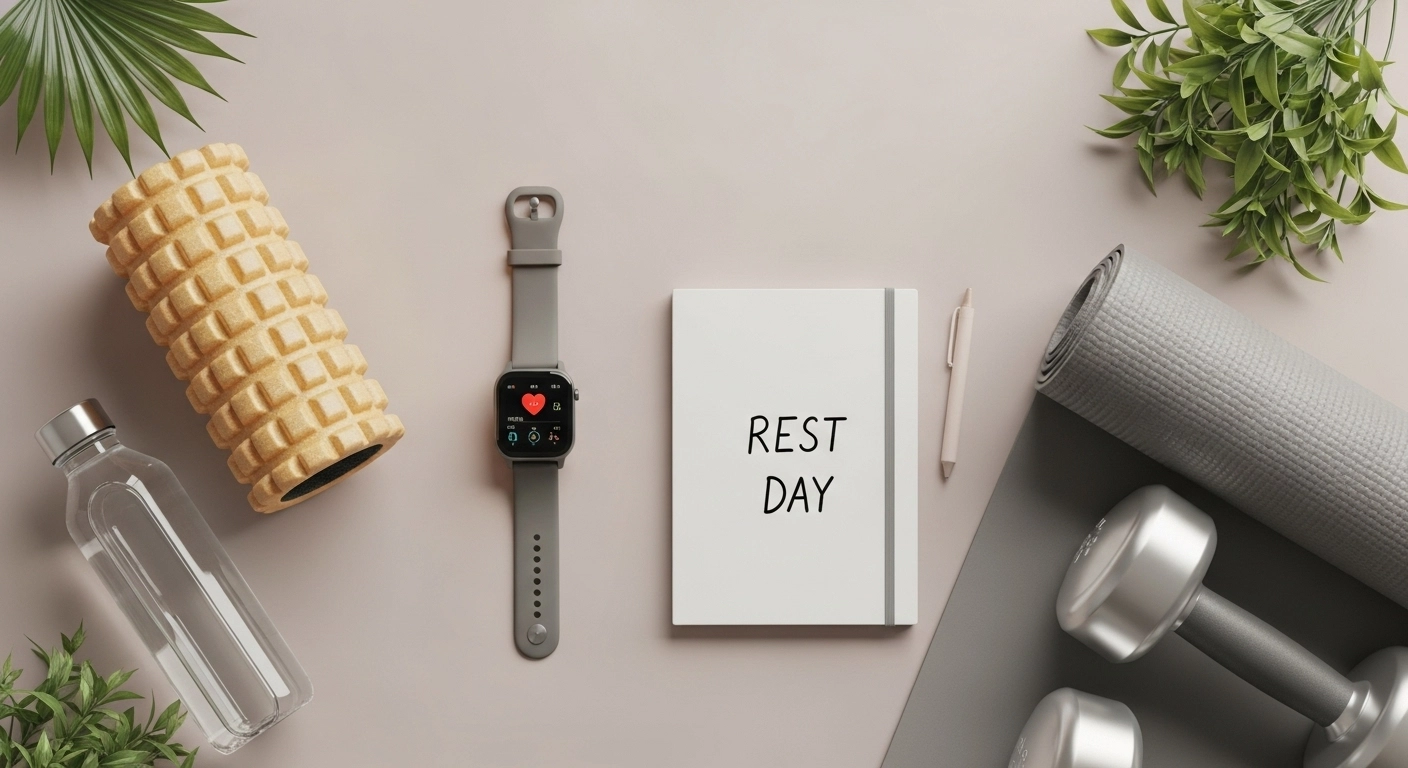
One of the biggest shifts and probably the most overdue is how recovery stopped being an afterthought. Foam rolling, cold plunges, saunas, mobility, sleep tracking, actual rest days… all of it went from niche to normal. You can’t walk five feet without hearing someone talk about recovery like it’s a philosophy. And honestly, it probably saved a lot of people from burning out. For years, the message was “push harder,” even when your body was clearly waving a white flag. Now, people understand that recovery isn’t slacking off it’s the part that keeps everything together. The rise of recovery is basically the industry admitting that humans aren’t machines.
How Social Media Supercharged the Shift
Social media gets dragged for plenty of things, but in fitness, it cracked the whole world open. Instead of relying on outdated advice or intimidating gyms, anyone could learn from trainers, therapists, mobility experts, or coaches anywhere on the planet. You could live in a tiny apartment and still follow an expert-level routine. You could fear gyms and still get better at home. Sure, there’s junk out there magic pills, ridiculous challenges but the amount of good information is massive. That access alone sped up the fitness evolution in a way the old fitness industry could never have pulled off.
Stress, Burnout & the “I’m Exhausted” Generation
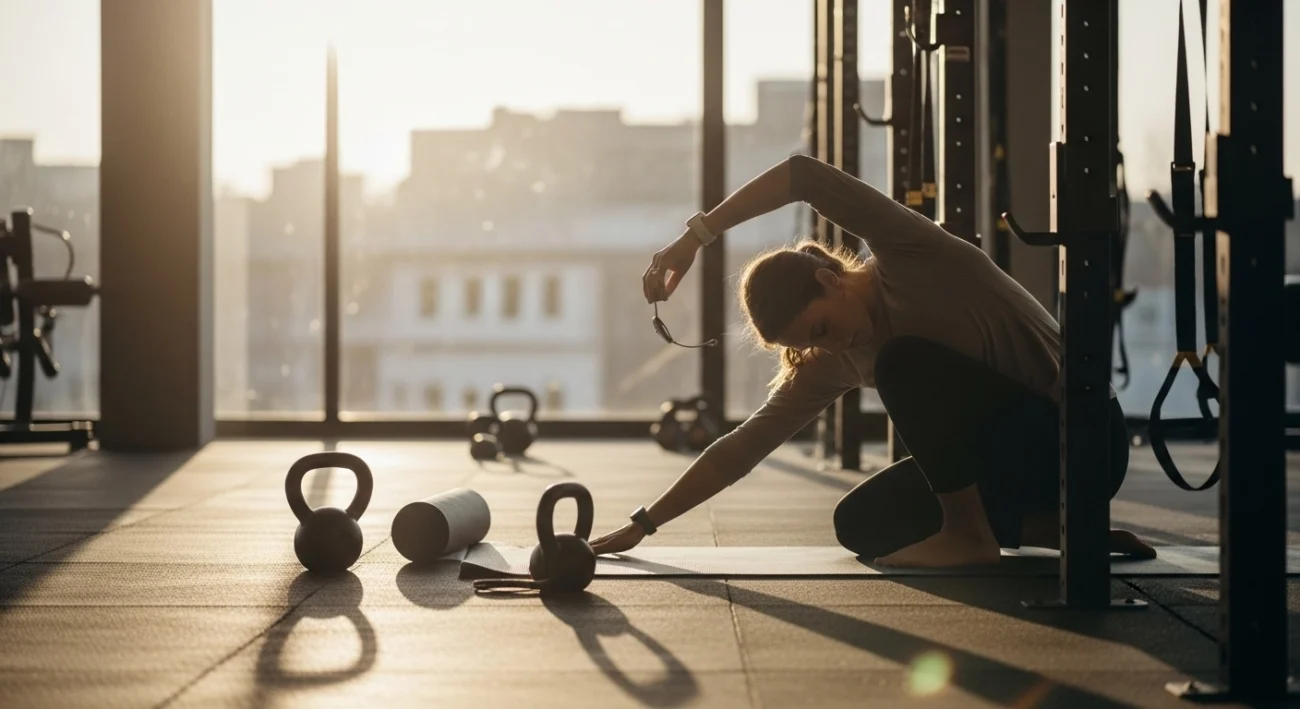
Let’s be real: this whole evolution didn’t happen because everyone suddenly woke up excited to work out. It happened because people were tired literally. Work stress, constant screens, lousy sleep, and that general sense of being worn down pushed people to search for something that actually helped. Workouts weren’t about looking shredded anymore; they became the only reliable way to feel functional. People just wanted their bodies and brains to stop feeling so heavy. Burnout did more to change fitness than any trend ever could.
If you want a glimpse of the future, look at what’s already happening: strength mixed with longevity training, mobility used daily instead of reactively, mental health baked into fitness tech used intentionally instead of obsessively, and programs built around actual lifestyles not cookie-cutter routines. The next chapter of fitness is about sustainability, not perfection. It’s about building bodies that age gracefully and minds that don’t crumble under stress.
Why Fitness Evolution Has Become Impossible to Ignore
This shift touches everything movement, aging, sleep, energy, recovery, stress management. Fitness isn’t a hobby anymore. It’s maintenance for being human. That’s why ignoring it isn’t an option. The evolution already happened; people are just catching up to it.
| Health Metric | Fit People | Unfit People | Difference |
|---|---|---|---|
| Energy Levels | 85% | 35% | 50% |
| Mental Well-being | 82% | 42% | 40% |
| Sleep Quality | 78% | 48% | 30% |
| Physical Health | 88% | 38% | 50% |
| Stress Management | 80% | 40% | 40% |
| Disease Risk (Lower %) | 75% | 45% | 30% |
Conclusion
Pretending the fitness evolution is just a passing trend feels a bit like pretending smartphones were a phase. The whole idea of what it means to “stay in shape” has grown up. It’s wider, more thoughtful, less punishing, and way more connected to real life. People aren’t just chasing aesthetics anymore; they’re chasing energy, longevity, and the ability to move through life without feeling worn down by it. This shift didn’t show up overnight it built itself slowly, pushed forward by exhaustion, better information, and a collective realization that old-school fitness wasn’t serving most people. Now the new model is here, impossible to ignore, and honestly a whole lot healthier for everyone. The only question left is whether we evolve with it or keep fighting against what our bodies have been trying to tell us for years.