
Blog
NYT Connections Hint Mashable: Mixing Mental Fitness with Playful Style
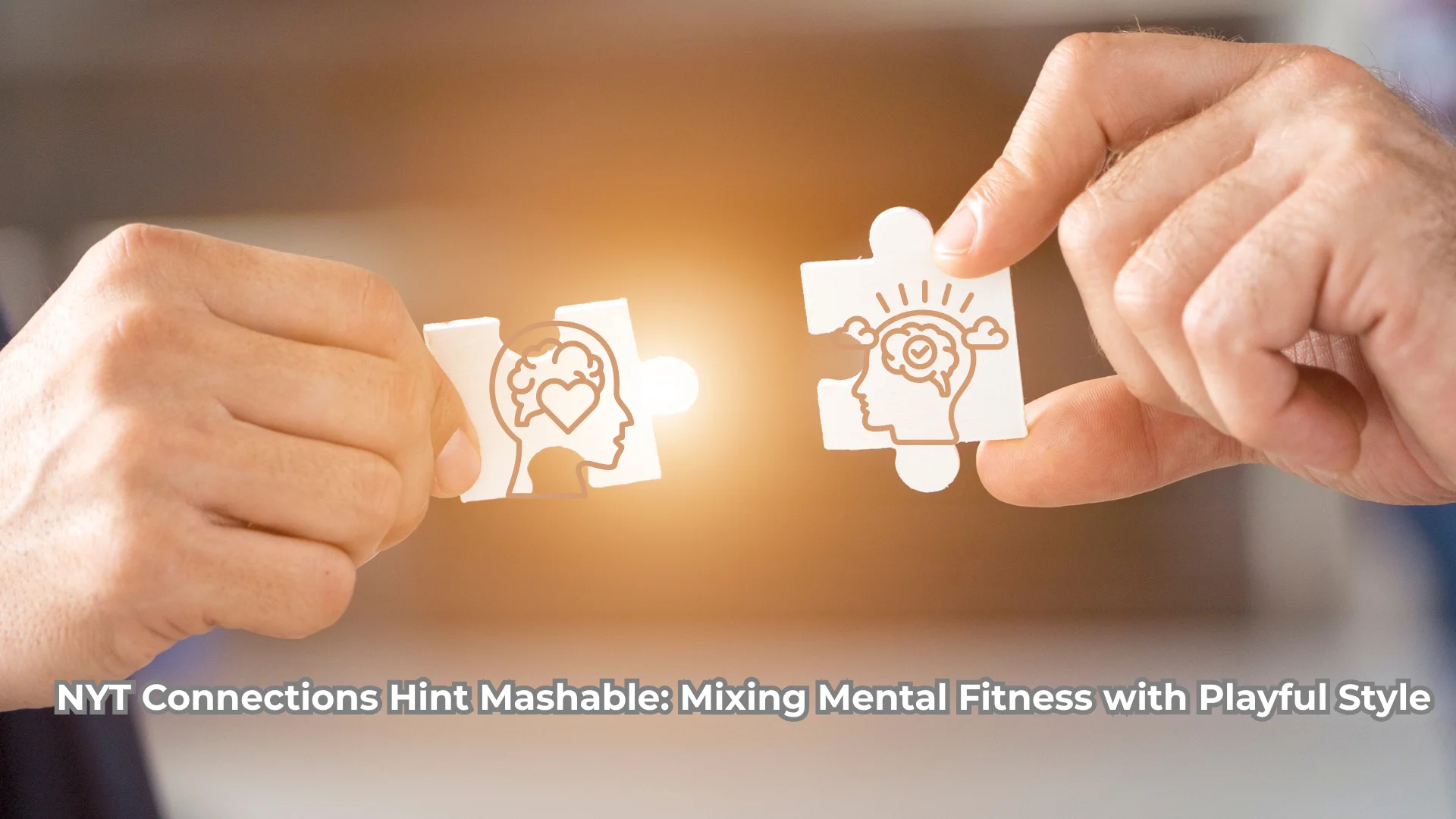
Ever sat in front of your phone, stared at the 16 words in NYT Connections Hint Mashable, and thought: “I’m missing something obvious here”? Yup, we’ve all been there. That right-there moment of frustration is exactly why the daily puzzle’s appeal runs deep. And hey when you see a headline about “Mashable hint”, you might think: “Is that just tips and spoilers?” Not quite. There’s a clever mix going on: brain-exercise, word-play, pattern recognition and they all wrap together in one sleek experience. This post digs into how the Mashable hints for NYT Connections become more than just “answers” they’re almost design features that blend mental health with fun, playful style.
What is NYT Connections and Why It Works
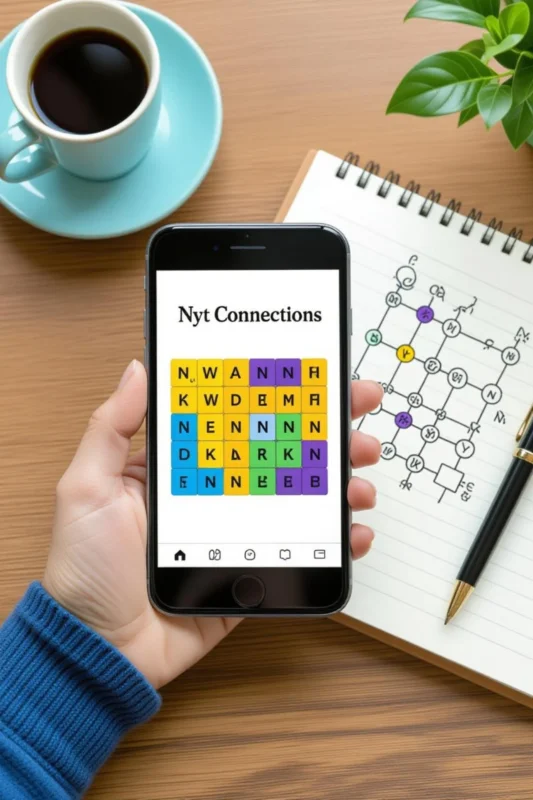
The NYT Connections game, released by The New York Times in June 2023, has quietly become part of many people’s daily lifestyle routine a quick mental reset that blends logic, language, and leisure. It looks simple at first glance, but the trick is that the connections aren’t always obvious. Some themes are straightforward, like “types of fruit,” while others play with homophones, idioms, or subtle associations. Each puzzle comes with color-coded difficulty levels yellow (easiest), green, blue, and purple (hardest) that turn a few minutes of word grouping into a light mind-training habit. It works because it hits both sides of your brain: vocabulary recall and pattern recognition.
Why does this work?
- It taps two parts of the brain: your vocabulary/knowledge store and your pattern-recognition logic.
- The colors give you a clear progression: first the easier group, then the tougher ones that gives you wins along the way and keeps you hooked.
- Because the connections vary so much (from obvious to weird), you never know what’s coming that unpredictability adds to the fun.
So yeah the puzzle is fun brain-work. But here’s where the hint side comes in.
What Mashable Brings with “Hint Mashable”
Many blogs have covered how to solve NYT Connections with general tips (look for proper nouns, start with obvious groups, etc.). For example, one long guide says: “Know the game, use hints, don’t overthink.”
Enter Mashable (and its “NYT Connections Hint Mashable”‐type articles). What they do differently:
- They publish daily hint articles aligned with the puzzle, offering category clues for each of the four groups.
- The hints are tiered: they often start vague and become more specific (but don’t immediately drop full answers).
- The tone is playful, not ultra-academic. The hints feel like “We’ll nudge you here” rather than “Here are the answers.”
- They preserve the integrity of the puzzle: you still feel like you solved it, rather than just reading the answer.
In other words, Mashable’s hints straddle the line: help + challenge. This blend is what the title “Mixing mental fitness with playful style” is about.
How to Use the Hints Without Losing the Fun
If you jump straight to full answers, sure you’ll finish the puzzle. But you won’t learn. Here’s a workflow to use the hints well:
Try Cold
Open the puzzle. Don’t peek at the hints yet. Scan the words for obvious groups: names, colors, verbs, etc. Your goal: catch the low-hanging fruit (usually the yellow group).
If you’re stuck, open the first hint from Mashable
The first hint might say something like “One category involves things you can break.” This nudges you, but doesn’t give away the words. It’s enough to get you unstuck and keep your brain engaged.
Only if you’re really stuck, check full answers
Some hints/mode allow full reveal. Use this as a catch-up, not your go-to. Because the point is: you grow when you struggle a little and then solve.
Reflect
After solving, ask: Which category did I find easiest? Which tricked me? What pattern could I learn? That reflection is what builds mental fitness.
Fresh Insights You’ll Find Here
- The idea of hint gradation (vague first → specific later) as a puzzle design pattern.
- The color-coded difficulty tiers (yellow → purple) and how they map to typical mental states (warm-up, challenge, deep struggle, triumph).
- A mental-training angle: this isn’t just a game, it’s a daily brain-habit, if you use it well.
- A hint-use discipline model: try cold → use hint 1 → use hint 2 only if needed → reflect. This supports long-term improvement rather than quick finishes.
- A small note on community & sharing how Mashable hints help you stay in the conversation (social media threads, friend groups) without spoiling everything.
- A human-tone reminder about “don’t beat yourself” when stuck. Even top solvers hit purple groups that don’t click instantly. It’s part of the fun.
FAQs
Q: What exactly is “NYT Connections Hint Mashable”?
It’s the regular article set by Mashable that gives you clues for each day’s NYT Connections puzzle. The clues come before or alongside the full solutions, and they aim to assist without ruining the “aha!” moment.
Q: Will using hints make the game too easy / spoil the fun?
It depends on how you use them. If you open full answers instantly, maybe. But if you follow the gradual model (try cold → hint 1 only if needed → hint 2 …) then you preserve challenge and still get help when you’re stuck.
Q: How often does Mashable publish hints?
Daily aligned with the NYT puzzle release. Because the puzzle refreshes every day, hint-articles show up each morning (often soon after midnight ET) so players worldwide can use them.
Q: Are there other good hint resources besides Mashable?
Yes Reddit threads, puzzle blogs, game-forums. But many either spoil too much (full answers up front) or lack structure. Mashable’s strength lies in its tiered-hint format and consistent schedule.
Q: Can I get better at the puzzle by using hints?
Yes if you use them as learning tools rather than cheat sheets. Over time you’ll spot patterns, understand typical “purple group” tricks, and reduce your reliance on hints the puzzle will feel smoother.
Conclusion
So, here’s the bottom line: the daily game of NYT Connections is more than just a few minutes of word-grouping. It’s a chance to flex your brain, spot odd patterns, and get that satisfying “click” when things make sense. And when you pair it with a hint system like the one from Mashable, you’re not giving up the challenge you’re optimizing it. The hints become part of the experience rather than replacing it.
If you treat the hints wisely try first, then nudge, then reflect you’ll not only finish the puzzle more often, you’ll actually get better at spotting the weird categories and surprise connections. That’s what “mixing mental fitness with playful style” truly means. On your next puzzle: don’t rush the hint. Let your brain do some heavy lifting. Then open the clue. Then lean into that sweet “aha!” moment. And if you hit the purple group and it doesn’t unfold that’s okay. One more try tomorrow.